
Michael Lombardi UNC Investigation: Attorney Pushes Back Hard
The Tar Heels are in the messy part now, where statements matter and patience gets thin.
 Leo Lupo6 min read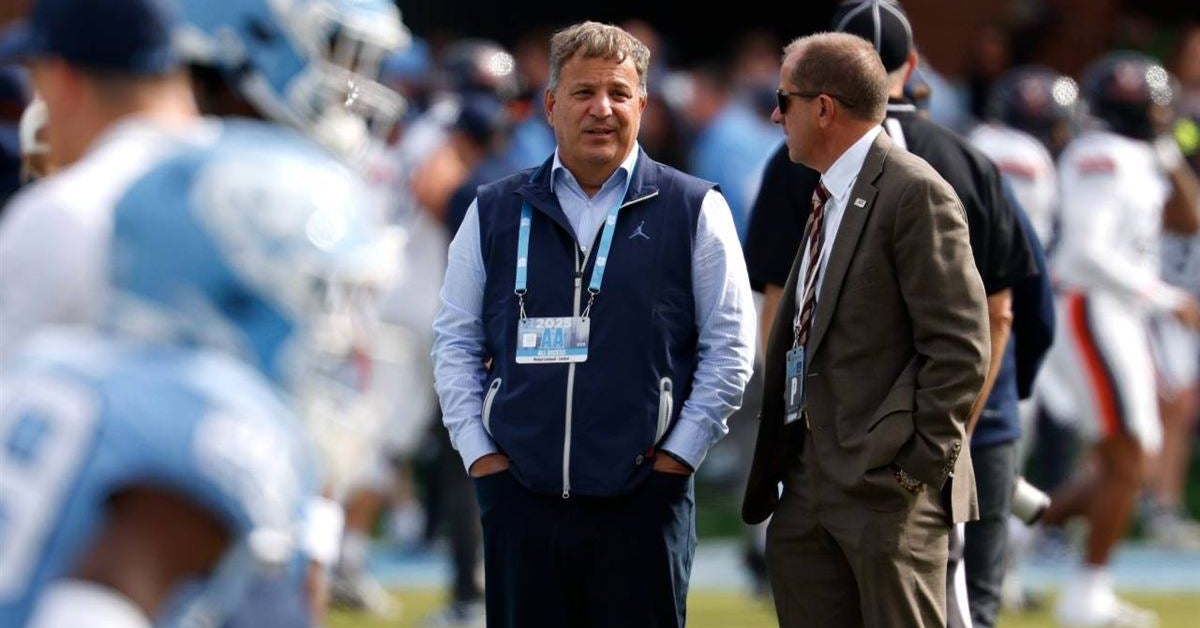
Chapel Hill has seen enough glossy brochures and polished smiles to know a clean story when it gets one. This isn’t that. North Carolina’s investigation into general manager Michael Lombardi has now hit the phase where lawyers start talking and everybody else starts tightening their jaw. Lombardi remains on paid administrative leave, and his attorney, Tom Mars, has put out a statement that basically says the man is being dragged through the mud without the full picture being shown.
That’s the kind of sentence that can mean a lot, or it can mean very little, depending on what comes next. In college football, where perception often rides shotgun with reality, a public defense like this is never just about one employee. It’s about the institution, the hiring process, the chain of command, and whether the people running the show knew what they were buying when they brought in a seasoned football fixer with NFL miles on him.
UNC’s football office just got a whole lot louder
North Carolina didn’t hire Michael Lombardi for his charm. They brought him in because programs in transition always think they need a grown-up with scar tissue. Somebody who’s been around pro fronts, contract rooms, and the ugly side of roster building. Lombardi has that reputation. He’s spent time in the rougher neighborhoods of the football business, the place where the money is big, the leverage is real, and the clean suits are usually hiding bruised knuckles.
That made him a headline hire before he ever settled into the chair. It also made him a lightning rod the minute the spotlight turned. Once a school starts a formal investigation, the football part gets swallowed by the administrative part. Coaches can preach next-play mentality all they want. The athletic department has to answer to lawyers, compliance people, donors, and a public that does not enjoy being told to trust the process. Been there, seen that, got the stress headache.
This is where North Carolina Tar Heels football gets squeezed. Not because one employee is everything, but because a GM title in college football is still a relatively new creature, and new creatures invite scrutiny. If you sell a program on modern structure, then the structure better look sturdy when the first storm rolls in.
Tom Mars is not filing this under “no big deal”
Tom Mars does not usually wander into a scene to play nice with the wallpaper. His statement to TarHeel247 signals that Lombardi’s side believes the facts, the context, or both are not being fairly reflected. Lawyers do this dance all the time: short statement, careful wording, firm tone. Nobody wants to hand the other side a useful quote on a silver platter.
But the subtext is easy enough to read. Lombardi’s camp wants it known that there is another side to the story, and they are not interested in letting silence do the talking. That matters because once an athletic department puts a person on paid leave, the public starts filling in the blanks. Human nature. Half the time the blanks are filled with the worst possible guess.
In college football, silence doesn’t protect you. It just lets everybody else write the screenplay.
There’s a reason this feels familiar. Big-school football operates like a courthouse with marching bands. Everybody’s smiling until the papers get shuffled. Then the whole place turns into a weather report. Programs across the country have learned that a splashy football decision can turn into a public relations sinkhole in a week. If you want a reminder of how fast that happens, look at the broader messes around staffing, discipline, and donor pressure that can follow any high-profile move. Even the shiny stuff turns rusty when the questions stack up.
Why this one lands harder in Chapel Hill
UNC is not some anonymous stop on the map. It’s a proud athletic brand with a lot of history and a whole crowd of people who expect competence, not chaos. That’s why this investigation cuts deeper than a normal personnel squabble. Every major program talks about standards until the standards have to be enforced on someone useful.
The thing about a football general manager is that the job sits in a gray area. It’s not the old-school coach’s office, but it’s not an academic post either. It’s part roster strategy, part personnel evaluation, part message control. When that role gets disrupted, the ripple spreads fast. Recruiting people notice. Coaches notice. Families notice. So do other departments around the country that are watching to see how much authority a school can hand to one football mind before the wheel starts wobbling.
And make no mistake, this isn’t just about one man’s standing. It’s about whether the school believed it was importing expertise or importing baggage. That question hangs over more hires than administrators like to admit.
The bigger lesson: college football keeps borrowing pro ideas without pro guardrails
Here’s my read, and I’ve been around long enough to smell this stuff before it catches fire. College football loves to dress itself up in NFL language when it suits the sales pitch. General manager. Salary-cap style thinking. Personnel department. Player acquisition. All very modern, all very neat on the PowerPoint slide.
Then comes the old college problem: the chain of authority is still hazy, the compliance rules are still twitchy, and every big hire has to survive not just football logic but campus politics. That’s where these setups get exposed. The pro game can absorb a hard edge because everybody knows the business is hard. College athletics likes to pretend it has a softer heart while operating with the same appetite for power. Something always gives.
If Lombardi clears this, fine. Then UNC gets to say it had a process and a reason. If he doesn’t, the school will have to explain why it put a spotlight on itself in the first place. Either way, the story isn’t going away just because a statement was issued on a Friday evening. Those are usually the ones that mean the Monday after is going to be noisy.
For those tracking the broader pattern, this sits in the same category as any football personnel drama where the institution has to prove it knows what it’s doing. We’ve seen programs around the country stumble when they treat staffing like a victory lap instead of a risk calculation. And if you want one of the cleaner reminders of how football business can spill into public business, take a look at the way teams and schools handle pressure in other recent disputes, like the hard-edged fallout in Cowboys trade rumors territory or the way programs scramble when a story turns into a culture test. Different leagues, same old human habit: get caught flat-footed, then act surprised the room is watching.
UNC can still handle this the right way. Transparent, disciplined, no soap opera nonsense. But the longer it sits in the middle of the road, the more it looks like a program trying to thread a needle with oven mitts.
The next move will tell you plenty. If the school talks, watch the wording. If Lombardi’s side talks again, watch what they emphasize. In college football, the truth usually shows up in the margins first, and the margins are getting crowded fast.
More from Straight From The Bench
Comments
Join the conversation — sign in to leave a comment.
Sign in to commentRelated Stories
Arkansas basketball vs. Bahamas: Razorbacks' turnover-fueled rout
Arkansas swarmed the Bahamas, turned defense into points, and showed how fast this roster can become dangerous. The numbers hint at a team with real teeth.
Curt Cignetti Indiana Schedule: SEC Shot Meets Soft Slate Reality
Curt Cignetti took aim at the SEC, but the schedule conversation came right back to Indiana. The noise is loud; the résumé still has to show up.

Chris Olave contract extension: Saints lock in WR cornerstone
The Saints ended Chris Olave’s hold-in and bought real time. This is about more than one receiver — it’s roster control, cap planning, and keeping the offense from getting thinner.