
MLB Trade Deadline: 10 Teams Ready to Push Chips In
The market is wide open, the buyers are real, and one swing can change October.
 Zane Miller6 min read
The deadline is crowded, and that changes everything
This is not a sleepy July where half the league pretends to be interested and the rest sell off the furniture. The MLB trade deadline is getting a real jolt because more clubs than usual can tell themselves a believable October story. That matters. When the standings stay bunched and the wild-card race refuses to thin out, the market gets louder, the phones get hotter, and the price of impact talent climbs.
That is the leverage point here. Teams don’t just need help. They need help that fits the current roster, the payroll lane, and the playoff path they think they can actually survive. A rental bat is one thing. A starter with a clean medical file and October value is another. And if you’re one of the clubs sitting in the middle, you’re not buying because it’s fun. You’re buying because your front office knows the fan base will not forgive another “we were close” season.
Why this deadline feels different
The usual deadline script is simple: a handful of obvious buyers, a couple of pure sellers, and everybody else stuck in the mushy middle. This year has more teams with a real incentive to act. That creates a market where one aggressive move can pull other clubs into the deep end. Nobody wants to watch a division rival land the better arm or the more dependable middle-order bat and then spend August chasing shadows.
That’s where the pressure spikes. Front offices are looking at roster math in real time. If your bullpen is overworked, your rotation is one injury from a crisis, or your lineup keeps leaving men on base, you can’t wait forever and hope the internal fix arrives on schedule. The World Series doesn’t reward patience for its own sake. It rewards the teams that know exactly what they are and move before the market gets stripped bare.
And this is where the deadline gets messy in the best possible way. More buyers means fewer bargains. Fewer bargains means the teams with premium prospects can dictate terms, and the clubs trying to thread the needle have to decide whether this is a one-year push or the beginning of something bigger.
The deadline is where contenders stop sounding smart and start acting scared.
Prospects are the real currency
The public loves talking about names. Executives talk about control years, risk buckets, and whether a prospect is a real piece or just a nice photo on a ranking sheet. That’s the real battle line. If a club is going to make a meaningful move, it usually means giving up at least one player the fan base has been guarding like a family heirloom.
There’s no way around that. The best deadline additions rarely come cheap, especially when the market has multiple teams believing they are one swing, one arm, or one hot week away from looking dangerous in October. That’s why the organizations with deeper farm systems get to play a different game. They can chase a bigger name without emptying the whole cabinet. The thinner systems? They have to be cleaner, sharper, and usually a little luckier.
I’ve always thought the deadline exposes how honest a front office really is with itself. Some clubs want to win now and tell you they’re building. Others say they’re building while making sure the clubhouse still feels competitive. The truth shows up in the prospect package. If a team is dealing real upside, it believes its window is open. If it’s nibbling around the edges, it’s probably bluffing.
The teams most likely to blink first
The clubs worth watching are the ones with a clear deficiency and a plausible path to the postseason. Those are the teams that make the deadline interesting because they don’t have to be perfect to justify a move. They just have to be good enough to think an upgrade changes the math.
That’s especially true for teams leaning on uneven pitching, shaky late innings, or lineups that can score in bunches but still vanish for three innings at a time. A single reliever can stabilize leverage. A veteran bat can lengthen the order. A controllable starter can keep the entire staff from turning into a nightly emergency room.
If you want a reminder of how this stuff plays out, look at how every deadline changes the temperature for the clubs already dealing with injuries or roster stress. The teams who can absorb a bad week are usually the ones with depth. The rest start hunting. That’s why the rumor cycle always gets louder when the calendar tightens.
If you’ve been following the broader league movement, the ripple effect matters too. The urgency around the deadline is happening at the same time as other roster stories around the league, including the kind of team-by-team uncertainty that keeps executives glued to their boards. We’ve already seen how a single injury update can reshape a contender’s priorities, like the kind of wrinkle covered in our look at the Garrett Crochet injury update and the way one health decision can alter a market overnight.
My read: the bold teams will separate fast
I’ll take this one a step further. The clubs that hesitate at this deadline are probably the ones who don’t fully trust their own math. That’s not a knock. It’s just how this business works. If you believe your roster can survive three playoff rounds, you act like it. If you think your margin is paper-thin, you start asking for cheaper fits and praying the rest of the league gets distracted.
What I expect is a quick split between the real buyers and the careful ones. The aggressive teams will go after impact, not just inventory. They’ll target players who can change leverage in September, not just provide another jersey for the stretch run. The cautious teams will talk about flexibility, which is often code for not wanting to pay the actual price.
That’s where the best general managers earn their keep. Not by making noise. By knowing whether this is a patch job or a push. The deadline always reveals who is trying to survive and who is trying to take over.
The clubs that move now will own the conversation. The ones that wait will be explaining themselves for weeks.
What to watch before the clock hits zero
Watch for teams with a real playoff lane and one glaring hole. Watch for contenders with extra prospect capital. Watch for clubs that have already hinted they are ready to be active. And watch the market for pitching first, because pitching always tightens the fastest once the serious calls begin.
The next few days are going to tell us which front offices believe this is the year to spend and which ones are just hoping the standings hold together long enough to keep the illusion alive. That’s the whole deadline in one sentence.
The ones with nerve will make the move. The rest will be left staring at what they didn’t do.
More from Straight From The Bench
Comments
Join the conversation — sign in to leave a comment.
Sign in to commentRelated Stories
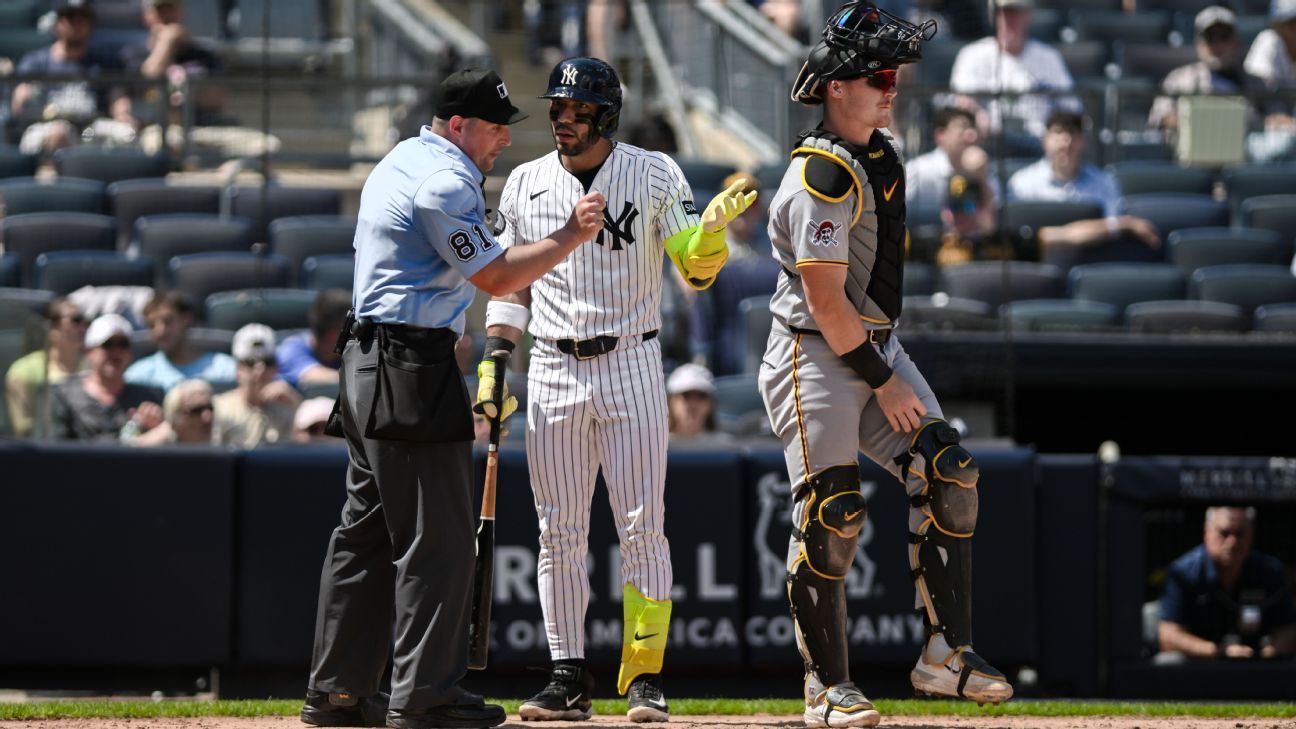
Yankees José Caballero Pitch Clock Violation Ignites Crackdown
José Caballero got caught in MLB's timing net, and the Yankees lost a coach in the fallout. Small penalty, big message.
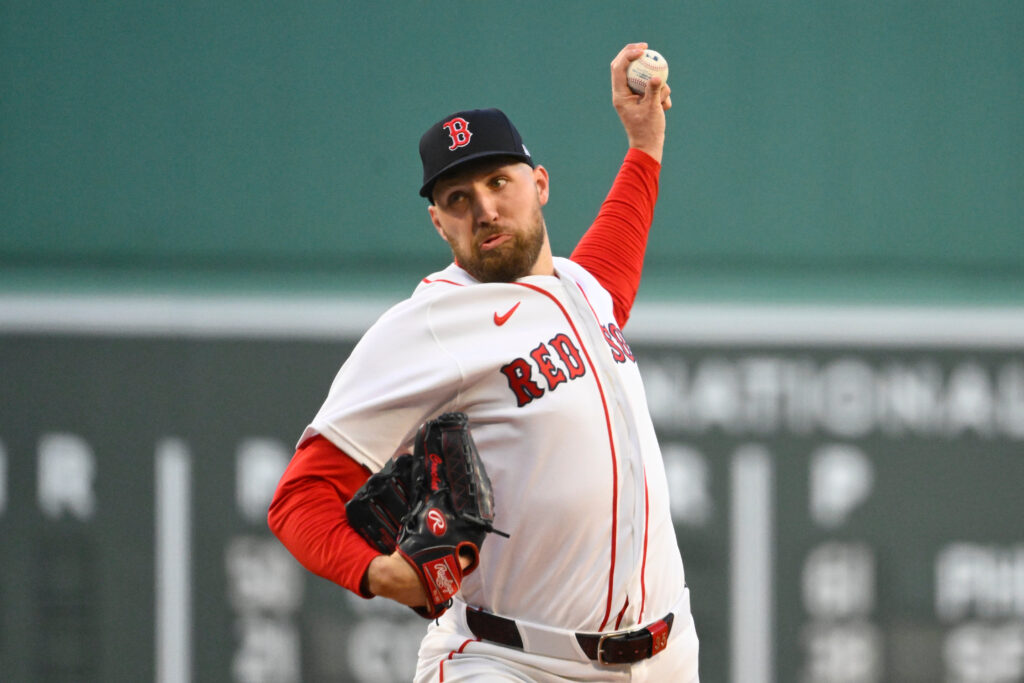
Garrett Crochet Injury Update: Red Sox Eye October Return
Garrett Crochet’s return is being aimed at the playoffs, and that tells you all you need to know about Boston’s summer. The Red Sox aren’t counting on him soon, only maybe when the lights get mean.

MLB trade deadline 2026: early intel on teams, bats, arms
The 2026 deadline has a late kick and a traffic jam of clubs on the fence. That usually means prices get stupid before they get sane.