
Yankees José Caballero Pitch Clock Violation Ignites Crackdown
The clock finally bit back, and the Yankees paid the price.
 Leo Lupo6 min read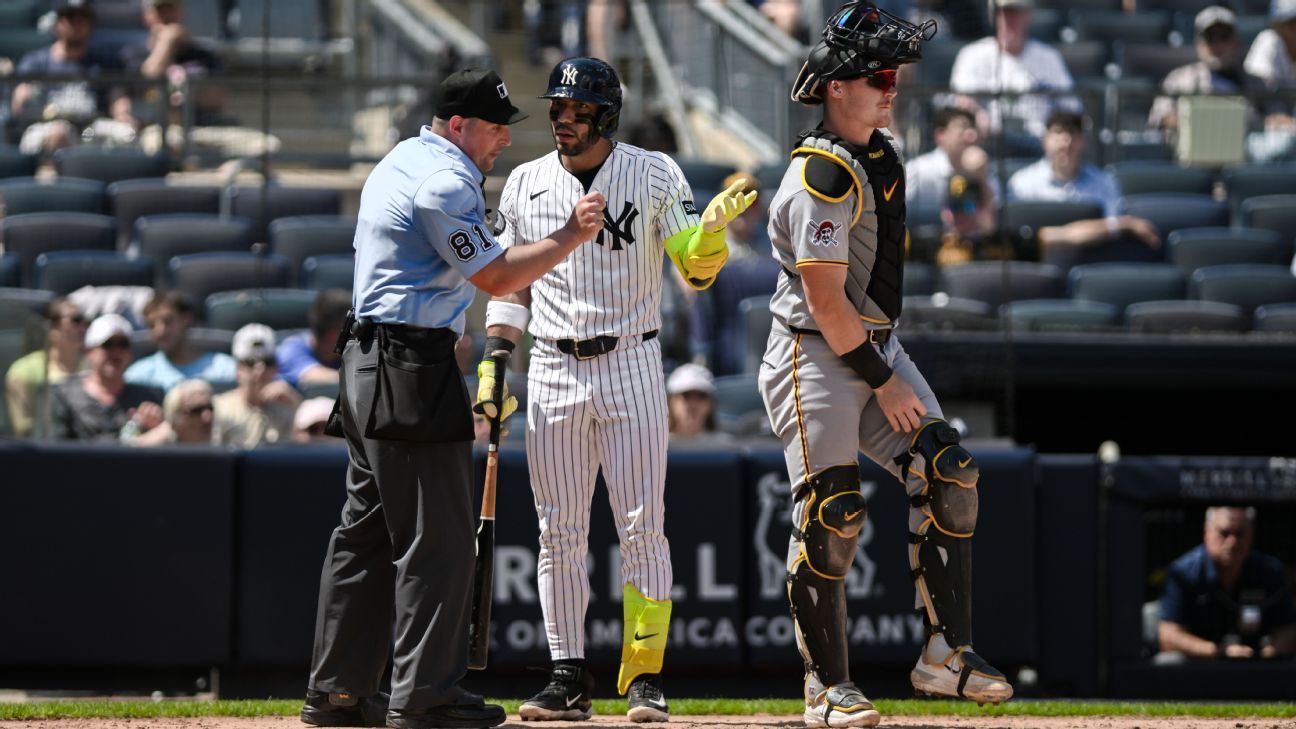
The pitch clock has been baseball’s favorite little dictator for three seasons now, and on Wednesday it finally slapped the Yankees upside the head in a way that mattered. José Caballero got tagged with a pitch clock violation in the sixth inning, the at-bat turned into a strikeout, and hitting coach James Rowson got himself ejected while the argument was still hot. That’s how these things go in July: one annoyed batter, one irritated umpire, one dugout bristling like a junkyard dog, and everybody acting surprised the rule still exists.
Caballero, the clock, and a manager’s headache
Caballero is the sort of player this rule seems to chase around the park. He’s busy, disruptive, always seeming to make the game feel a touch more restless. That’s fine when you’re beating out infield hits and distracting pitchers. It becomes a problem when the league decides it’s had enough of the theater and starts enforcing the letters of the law.
This wasn’t some grand scandal. It was a pitch clock violation. In plain English, the batter wasn’t ready, the clock ran down, and the plate appearance got clipped before it could breathe. But the yank from the umpire’s shoulder got the kind of reaction only baseball can still produce: a dugout barking, a coach thrown out, and a crowd that knows the sport loves nothing more than policing its own machinery.
The Yankees have made a habit of living in the center ring. Big-market clubs always do. Every little ruling feels louder when pinstripes are involved. Caballero’s violation becomes a talking point not because it was monstrous, but because it was annoying, and baseball has always been a game that turns annoyance into a sermon.
Why MLB keeps leaning on the pitch clock
This is the new baseball. The league wanted pace, wanted rhythm, wanted less dead air and fewer wandering eyes drifting to the upper deck scoreboard. So it installed the clock, and now the clock is not a suggestion. It is the schoolmaster with the ruler.
You can argue about whether the rule adds energy or strips away some of the old cat-and-mouse feel. Both things can be true. The sport moves better now. It also gets nitpicky in a way that can make a manager’s blood pressure spike. A hitter loses a beat, a pitcher gets rushed, and suddenly a clean inning has the flavor of a traffic stop.
The Yankees, like every club, have to live with that reality. A team built on controlling games doesn’t love being controlled by a timer. And the more a lineup includes players who like to work with tempo, the more likely somebody eventually trips the wire. This one just happened to turn into a small public scene.
Baseball didn’t invent urgency. It just hired a stopwatch and started pretending it had always been civilized.
James Rowson’s ejection says plenty
Rowson getting tossed is the part that tells you this wasn’t just about one pitch clock beep. Coaches do not usually fly out of the dugout for a paperwork violation. They do it because they think the umpire’s interpretation crossed into the silly zone. Or because they know the dugout needs a pulse, and somebody has to take the hit.
That’s part of the modern manager’s job now, whether anybody likes it or not. The human edge of the sport has narrowed. There are fewer places to argue, fewer gray areas to camp in, fewer old-school dustups over whether a batter stepped out too long or a pitcher took too much time staring at the grass. The clock shrinks all that down to a clean little decision tree, and baseball people hate clean little decision trees.
Rowson’s ejection also reminds you that timing rules do more than speed up games. They expose temperament. Some clubs accept the clock like grown-ups. Others treat it like a personal insult. The Yankees, naturally, are never shy about making a scene when they feel pressed. They’ve been doing that since before half the internet was born.
The Yankees’ real problem is bigger than one violation
Here’s the part the box score won’t tell you: a pitch clock violation is rarely just about the one pitch. It’s usually about a dugout that’s running a little hot, a batter who lost his rhythm, a pitcher trying to steal an extra second, or a team that’s getting nudged out of its preferred speed.
For the Yankees, that matters. Good clubs manage the edges. Championship clubs usually master them. The whole business of July baseball is getting your team to stop bleeding stupid runs and stupid outs. If you can’t keep your own feet under you during a routine sixth-inning sequence, then you’re asking for a mess when the games get loud in September.
And let’s be honest: the Yankees live on scrutiny. Everything they do gets measured twice and argued about four times. Caballero’s violation won’t define anything. But it does fit a familiar pattern — a team with enough talent to expect better, and enough ego to act offended when baseball reminds them the rules still apply.
I’ve watched this game long enough to remember when a catcher could wander halfway to the mound and nobody batted an eye. Now the league has gone full stop-and-go, and the old hands hate it because it removes a layer of gamesmanship. I get that. I also get why the league did it. Too many games were dragging like a winter bus route. The pitch clock fixed one problem and created another: fewer excuses, more arguments. Baseball never met a small rule it couldn’t turn into a civic debate.
For the Yankees, the answer is simple and, in that old Yankee way, not very glamorous. Be cleaner. Be faster. Stop handing the umpire a reason to become part of the story. A club with October plans can’t afford to get cute with the clock while the rest of the league is learning how to weaponize every edge it can find.
What to watch next for New York
This is where it gets interesting. If Caballero keeps pushing the boundaries, umpires are going to notice. If the Yankees keep arguing every borderline timing call, they’ll spend more energy fighting the rulebook than the opponent. Neither route helps.
The better path is discipline. Not sexy. Not memorable. Exactly what winning teams usually do behind the scenes. And if you want more Yankees tension with the league’s new order, keep an eye on how the club handles similar moments the next time the clock is tight and the dugout’s feeling chatty.
Baseball’s timing era is here to stay. The clubs that adapt without sulking will survive it best. The ones still trying to bluff the stopwatch are going to keep finding out the hard way.
More from Straight From The Bench
Comments
Join the conversation — sign in to leave a comment.
Sign in to commentRelated Stories

MLB Trade Deadline: 10 Teams Ready to Push Chips In
More teams are still in the chase than usual, which is turning the deadline into a true arms race. The front offices with the stomach for it can separate themselves fast.

Garrett Crochet Injury Update: Red Sox Eye October Return
Garrett Crochet’s return is being aimed at the playoffs, and that tells you all you need to know about Boston’s summer. The Red Sox aren’t counting on him soon, only maybe when the lights get mean.

MLB trade deadline 2026: early intel on teams, bats, arms
The 2026 deadline has a late kick and a traffic jam of clubs on the fence. That usually means prices get stupid before they get sane.