
MLB Umpire Hat Incident: Doug Eddings and Hancel Rincon
A rookie’s night should have belonged to his arm. Instead, the brim took center stage.
 Beatrice Kensington6 min read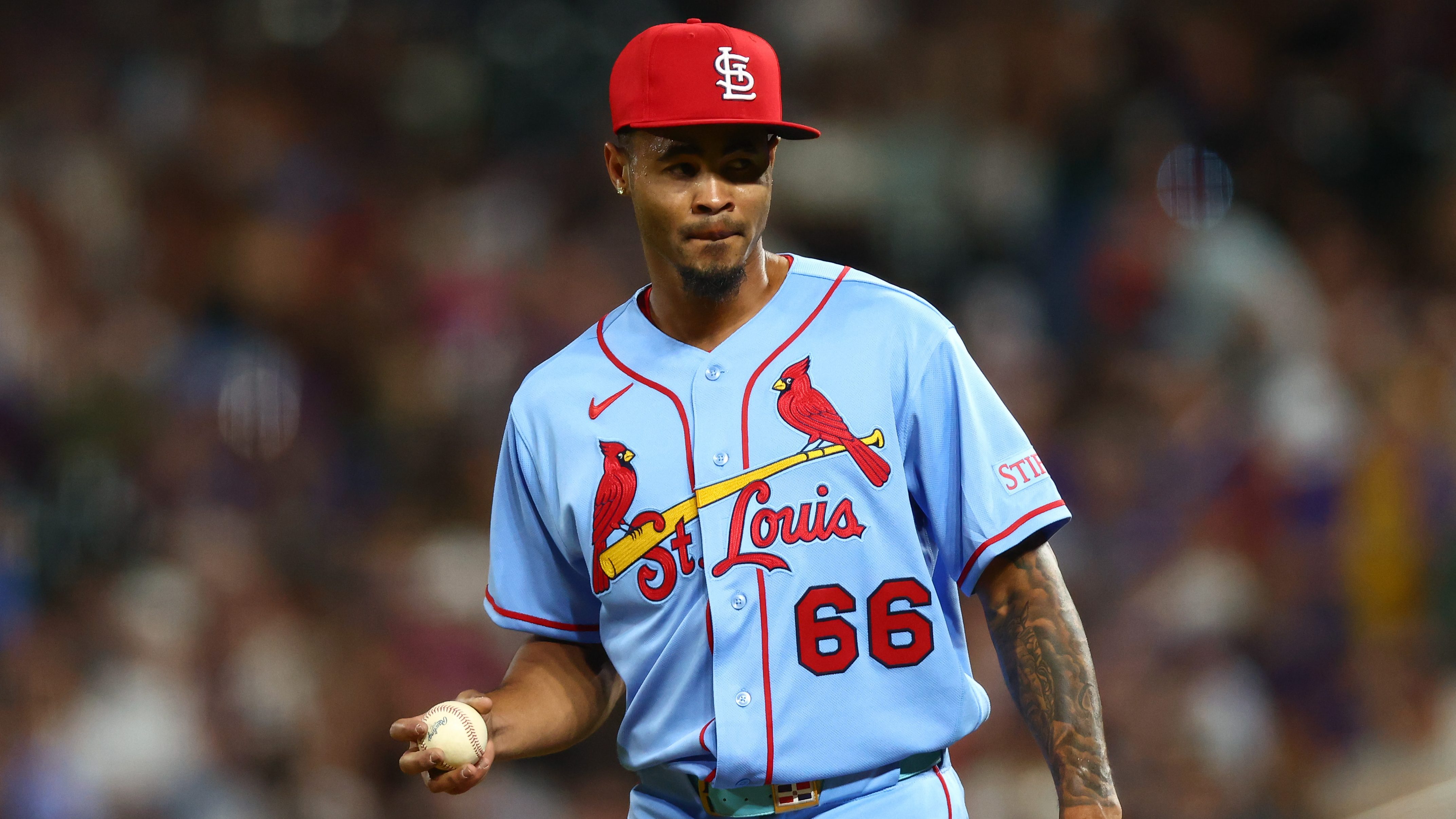
A debut that should have belonged to the pitcher
Hancel Rincon spent a lifetime arriving at one night: the first major league pitch, the first walk to the mound, the first breath taken in the bright, strange air of a big-league debut. That moment is supposed to feel ceremonial, almost sacred, a family name passing through the gate and onto the field. Instead, in Denver, a minor quibble over a hat began to crowd the frame.
That is the weary little injustice at the center of this story. Doug Eddings did not erase Rincon’s debut with a single gesture, but he did what baseball has done so often to young players and especially to young players from elsewhere: he made the room feel smaller. The hat became the story. The pitcher, for a beat, became supporting scenery.
Baseball’s old habit of shrinking new arrivals
The game likes its rituals. It also likes its authority. And there is a long and dreary history of those two instincts colliding in ways that embarrass the sport more than they protect it. A rookie steps onto the field carrying nerves, pride and the accumulated hopes of every person who helped him get there. Then an official, often invisible by design, inserts himself into the emotional geography of the night.
That can happen without malice. It can still be wrong.
Baseball has always been more than strike zones and spin rates. It is a theater of status, of who is allowed to stand still and who must answer for every seam and stitch. For a pitcher from the Dominican Republic making his first Major League Baseball appearance, the stakes are not merely professional. They are cultural. They are familial. They are the fruit of an entire transnational system that begins on dusty fields, passes through academies and buses and bus stations and language barriers, and ends, if fortune cooperates, under the lights in a major league park.
Then comes the hat.
The cruelest thing about baseball’s little power plays is how small they look from a distance and how large they feel to the player living through them.
What the moment says about authority in baseball
Doug Eddings is not the villain of a nation. This is not that kind of drama. But the sport’s defenders sometimes confuse technical correctness with emotional intelligence, as though the absence of intent absolves the presence of effect. It does not. A rookie’s debut is a public rite, and umpires are among the few figures in the ballpark whose power is both immediate and nearly absolute. That power ought to be exercised with an understanding of proportion.
The old baseball argument says: rules are rules. The better argument says: know which moments deserve mercy.
Rincon’s night belongs to him, to his family, to the people back home who watched the announcement of his call-up like it was a weather report from another hemisphere. When the machinery of the game interrupts that kind of arrival for something as trivial as headwear, it tells us something about baseball’s stubborn attachment to its own seriousness. The sport can be beautiful and still be petty. Often it is both.
The human cost of making a debut about the whistle
There is a particular loneliness to a debut that gets domesticated by procedure. The pitcher is on the mound alone, yes, but he is never only one person. He carries the collective labor of coaches, scouts, trainers, parents, siblings and those anonymous people who believed a thin teenager from a far-off field might someday survive a hard-hitting professional game.
That is why these seemingly minor interruptions sting. They remind us that for all the romance in baseball’s mythology, the gates remain guarded by people who sometimes forget the scale of what they are guarding.
I’ve covered enough baseball to know that the sport’s greatest virtue is also its most exhausting vice: it believes every detail matters. Fair enough. But there is a difference between respecting the game and starving the moment of grace. A debut is not a routine administrative stop. It is an inheritance being cashed in public.
And that, to me, is why the hat detail landed with such bad taste. The game already asks enough of young players. It asks them to perform under judgment, to adjust to a new level of speed and scrutiny, to do it while knowing one bad inning can harden into a label. They do not need their first introduction to the league framed by a scolding over appearance.
I keep thinking about how baseball, unlike some other sports, loves to present itself as timeless while quietly changing in the margins. The pitch clock came, the shifts changed, the strike zone is forever debated, and still the human hierarchy remains remarkably familiar. Veteran officials, young players, old customs. The pageantry of neutrality. The old guard of the diamond.
Why this matters beyond one inning in Denver
There is a broader lesson here for MLB and for every fan who still wants to believe the sport’s rituals are in service of the players, not the other way around. The league sells access to authenticity: the smell of the grass, the clean geometry of the field, the idea that this is the purest professional game. But authenticity is a fragile commodity when a debuting player’s defining visual becomes a disagreement with an umpire.
If baseball wants younger audiences, more international reach and more trust from the people whose lives are braided into the game, it would do well to remember that dignity travels farther than authority. A rookie should leave his first night with a memory of courage, not correction.
That is the real issue here, and it reaches past one hat, one umpire, one inning. Sports are full of bureaucratic little humiliations that reveal who the game is for and who must adapt to be tolerated by it. The best baseball knows how to make room. The worst of it still confuses order with respect.
Fans looking at this kind of moment should not see scandal. They should see a test. If the game cannot protect the emotional center of a debut, then all its talk of tradition is just lace on a chain.
For more on how baseball’s small moments can become the only thing people remember, see our look at Matthew Brennan’s sprint-heavy Vuelta run and the way a single stage can redraw the meaning of a race.
And if you want another reminder that sports can absorb a crowd, a delay and still keep beating, our story on Nebraska-Missouri volleyball at Wrigley Field captures what happens when the setting becomes part of the event.
Rincon will pitch again. The hat will not matter forever. But the way a debut is handled says a great deal about the game that is welcoming him in. Baseball ought to be wise enough, by now, to understand the difference between enforcement and embarrassment.
More from Straight From The Bench
Comments
Join the conversation — sign in to leave a comment.
Sign in to commentRelated Stories
MLB September Predictions: Playoff Races and Stat Leaders
The calendar has turned, and baseball’s long, humid argument enters its final and most revealing month. The standings will harden, the leaders will separate, and the margin for error will shrink to a

Ronald Acuña Jr. Braves rally past Phillies: huge win
Ronald Acuña Jr. delivered the kind of swing that changes a clubhouse mood and a division race. Atlanta needed a jolt, and he gave them one.

Matthew Brennan Vuelta Stage Win: Fourth Sprint Victory in 2026
Matthew Brennan claimed his fourth stage victory at the 2026 Vuelta a España, again showing a sprinter’s nerve in a race built to break one.