
NASCAR Brickyard 400: Empty Seats, Boos and Finger-Wagging
Corey Heim got the trophy. Indy got the stink eye.
 Leo Lupo6 min read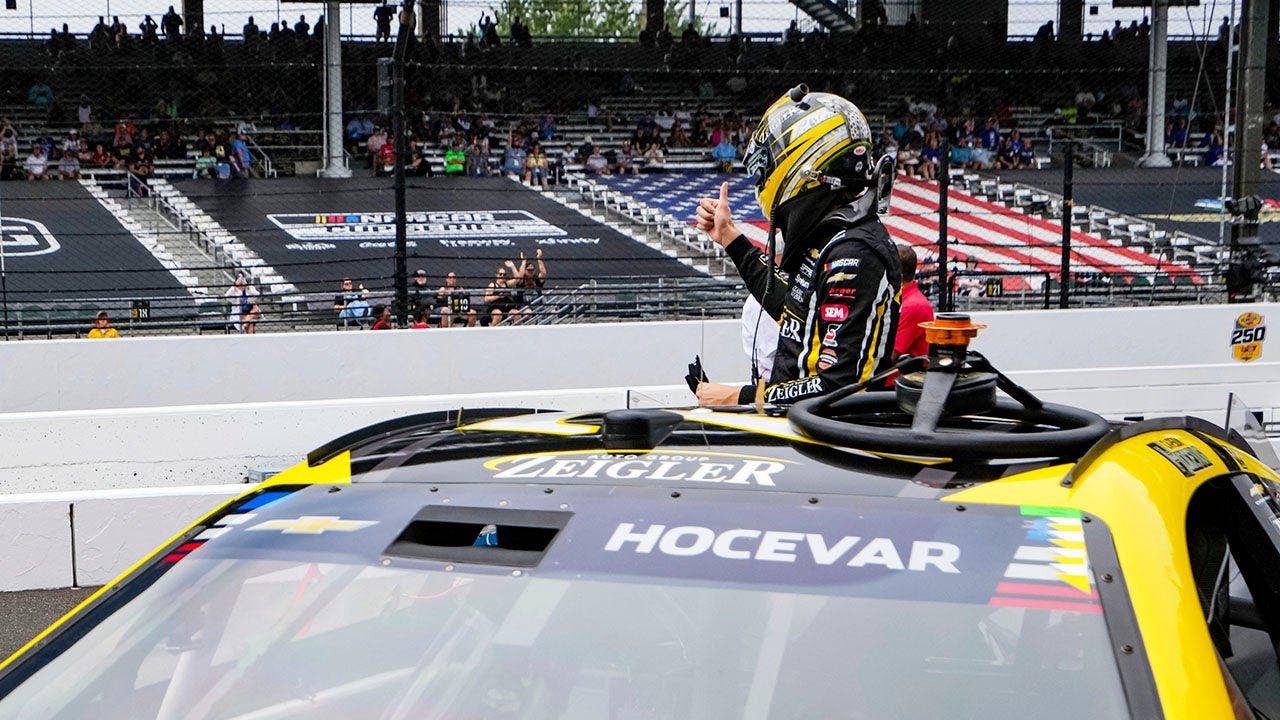
Corey Heim won the Brickyard 400 and, on paper, that ought to be the whole story. Put the trophy on the shelf, shake the hands, haul the car back to the hauler, and call it a decent Sunday. But this sport doesn’t live on paper, and Indianapolis looked like a bad TV shot nobody could hide. Empty seats. Thin noise. A winner getting the business from another driver. And the kind of ugly little theater that shows up when a sport starts arguing with itself in public.
NASCAR has spent years selling speed, noise, and pageantry. Indy gave it a lot of noise from the engines and not much else. That’s not a great look for a company trying to convince people this thing still matters in the American sporting bloodstream. The Brickyard has history, sure. Indianapolis Motor Speedway is one of those places where the bricks and the ghosts do a lot of the heavy lifting. But history doesn’t fill aluminum bleachers by itself. And if the crowd picture is ugly on a day like this, you can bet the people in the suite pretending not to notice are already doing the math.
Corey Heim gets the checkered, but the mood never caught up
Heim did what a driver is supposed to do. He showed up, kept his nose clean, and finished the job. No one hands out style points for a win at Indy. You earn it the hard way. That part deserves respect. The kid took his shot and took the race.
Still, the feel around the event was off from the jump. A win at a place like this ought to land like a hammer. Instead, it landed in a room with the lights half on. The Brickyard once carried a certain do-or-die shine because NASCAR was still wrestling to prove it belonged on the same shelf as the old American giants. Now the problem is different. The sport isn’t fighting for legitimacy the way it did in the ’90s. It’s fighting for attention. That’s a meaner battle.
Empty grandstands at the Brickyard aren’t a bad race story. They’re a bad business story.
The finger heard round the garage
Carson Hocevar flipping off the winner is the sort of thing that sets off the pearl-clutching brigade and keeps the rest of us awake long enough to care. It’s juvenile, sure. Also, it’s human. Racing has always had a streak of the trash-talking alley fight buried under the polished sponsor gloss. The trouble is, when the product is already having a rough day, a middle-finger moment becomes the headline instead of the rivalry.
That’s not all bad, either. NASCAR has long survived on personality as much as horsepower. A clean-cut procession with everybody saying the right thing into the microphone is a fast way to bore people into flipping channels. If Hocevar wants to play the heel, fine. Just understand that in this sport, you don’t get to be reckless and invisible. Pick one. The garage notices everything, and the crowd notices even more when the crowd is already half gone.
The bigger issue is what this says about the temperature inside the Cup garage. Drivers are steamed about the car, steamed about the racing, steamed about the whole mess of finding clean air and track position and something resembling a natural pass. When the product leaves competitors feeling boxed in, they start throwing their elbows around in public. That’s not exactly a vote of confidence.
The Cup car still draws heat, and not the good kind
The sharpest criticism coming out of Indy was aimed at the Cup Series car itself. That part matters more than the side drama. The car is supposed to be the equalizer, the platform, the machine that lets driver skill breathe without turning every race into a tire-management seminar or a fuel-save snoozer. Instead, too many weekends leave folks grumbling that the thing is awkward, brittle, and too dependent on track position.
You don’t need a PhD in racing to know the danger. If the drivers are annoyed, the teams are annoyed. If the teams are annoyed, the fans hear it. And if the fans hear it while staring at miles of empty plastic seats, they start wondering whether they’re watching a championship sport or an expensive rolling argument.
This is where the suits always try to talk about metrics and growth and younger demos and all the other PowerPoint perfume. Fine. Sell that upstairs. Down at track level, the old rule still applies: if the race isn’t gripping, the crowd won’t pretend it is. Racing fans are loyal, but they’re not stupid. They know when they’re being asked to clap for the brand instead of the event.
Indy exposed the deeper problem: the show needs believers
I’ve been around this racket long enough to remember when a lousy crowd at a major race felt like a temporary embarrassment. Bad weather. Bad timing. A bad car count. Something fixable. These days, an empty seat section at a signature event feels like a symptom. The sport has too many weekends where the marketing sounds stronger than the product.
And that’s the part nobody at a microphone wants to say out loud. NASCAR doesn’t just need better racing. It needs believers in the stands, on the couch, and in the garage. The Brickyard should be one of those events that sells itself on sheer weight of name and history. Instead, it looked like it had to beg for attention. That’s rough.
I’m not one of these guys who loves staring into the apocalypse every time a grandstand has a few open rows. Calm down. Every sport has its dead spots and its ugly TV shots. But this one hurt because Indy should know better. The place has run world-class racing for generations. It has seen better days, and it has seen louder ones. The fact that it had to lean on controversy and empty-seat chatter to stay interesting tells you where the pressure really sits.
There’s still a way out of it. Better racing. Stronger characters. Less corporate mush. A little more honesty from the people in charge about what fans actually want to see. None of that is glamorous. All of it is necessary.
What comes next for NASCAR after a rough Sunday
The next few races matter now more than they did before Indy. Not because one bad crowd picture ends a season, but because sports have a way of stacking impressions. One stale Sunday becomes two. Two becomes a narrative. Then everybody starts acting surprised when the narrative is the story.
The good news, if you want to call it that, is NASCAR still has a chance to answer with the only thing that really counts: better on-track product and drivers willing to make some noise without making fools of themselves. The bad news is the sport has burned a lot of credibility over the years trying to polish over obvious problems.
Right now, Corey Heim owns a Brickyard win and the rest of the garage owns the mood. That’s how it goes sometimes. One guy gets the glory, and everybody else spends Monday morning staring at the wreckage and pretending the optics don’t matter.
They do. And Indy just reminded the whole place of it.
More from Straight From The Bench
Comments
Join the conversation — sign in to leave a comment.
Sign in to commentRelated Stories
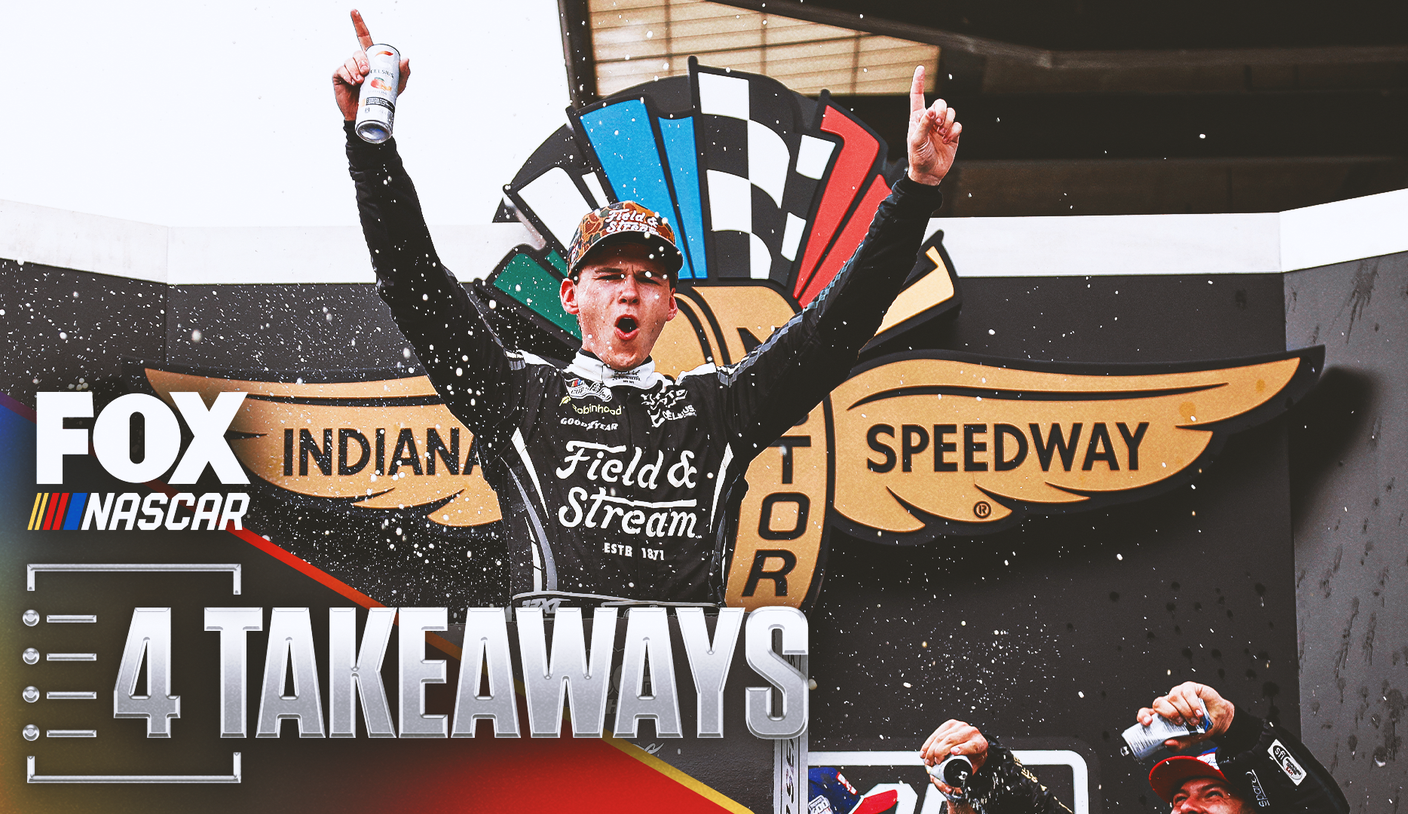
Corey Heim Brickyard 400 Win: How He Took Indy by Force
Corey Heim’s second win of the season came at the Brickyard, where a late restart turned into a hard-earned statement. He didn’t just survive Indy — he owned it.
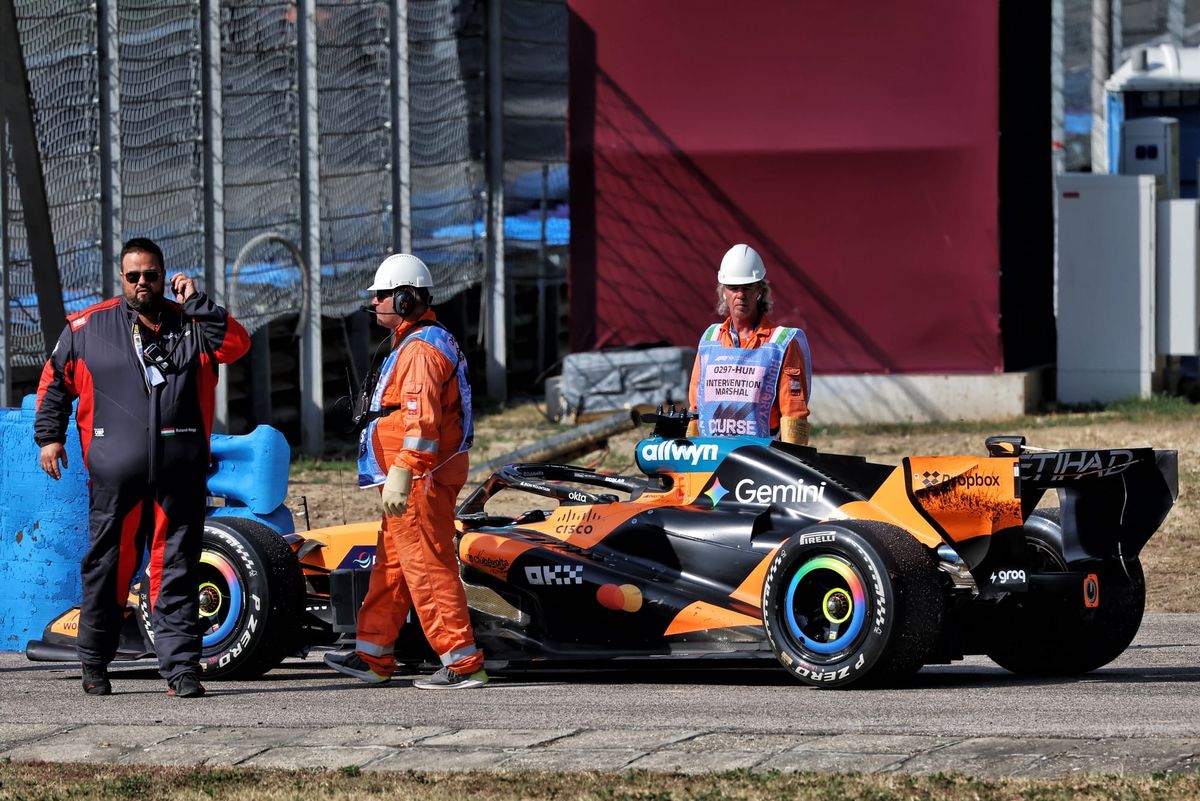
F1 Hungarian Grand Prix 2026: Winners and Losers in Hungary
The 2026 Hungarian Grand Prix handed out a few hard truths. Some teams cashed in on a messy form book; others went home with a polished excuse and nothing else.

F1 Hungarian GP: Norris wins as Piastri retires
Lando Norris steadied a ragged afternoon into victory at the Hungarian Grand Prix while Oscar Piastri’s race unraveled. The title fight just got more human.