
F1 Hungarian GP: Norris wins as Piastri retires
A win built on survival, and a rivalry that is no longer polite.
 Beatrice Kensington5 min read
Lando Norris did not win the Hungarian Grand Prix with the serene authority of a man cruising on clean air. He won it the hard way, with a twitchy rear end, a bruised temper, and the kind of concentration that makes a race look less like choreography than a man walking a narrow beam in bad weather. Oscar Piastri’s retirement gave the afternoon its decisive turn, but the deeper truth is that the race had already begun to feel like a test of nerve, not just pace.
There are Sundays in Formula One when the stopwatch tells only half the story. This was one of them. The result matters, of course — results always do in a championship fight — but the manner of it matters more. Norris had to wrestle the car, wrestle his own impatience, and then endure the uneasy arithmetic that follows every title contender: what you gained, what you nearly lost, and what your rival’s misfortune does to the shape of the season.
Norris wins the kind of race championships are built on
Norris’s own words after the flag carried the weary honesty of a driver who had spent the day on the edge of adhesion. He sounded spent. He sounded relieved. He sounded, most of all, like someone who knew exactly how fragile that victory had been. A lesser afternoon from him, one messy braking phase or one overzealous move through Turn 2, and the story becomes something else entirely.
That is why this win feels larger than the points attached to it. In a season where the margins between McLaren’s leading men can be measured in a heartbeat, a victory born of restraint and recovery is worth almost as much as one won by domination. This is the kind of afternoon drivers keep in their pocket for October, when the championship ledger begins to look like a judge’s notebook.
For McLaren, the significance is even sharper. The team has spent years rebuilding its reputation as a front-line operation rather than a noble historical name trying to remember its own old confidence. Now it has two drivers capable of winning on the same stage, and that abundance is both a gift and a threat. It gives the team choices. It also gives it headaches.
Piastri’s retirement changes the balance, not the danger
Piastri’s retirement does not make him any less dangerous in the title picture. If anything, it makes him more so. Drivers with nothing to prove can be dangerous; drivers with something taken from them are often fiercer. The Australian has been calm to the point of austerity this season, the sort of competitor who rarely lets a bad lap become a bad afternoon. When the machinery, the strategy, or plain bad luck removes him from the equation, it alters the emotional weather around the paddock.
That is the part fans should not miss. This was not merely Norris benefiting from a rival’s exit. It was the latest reminder that modern championships are won not just by speed, but by survival. Reliability still has teeth. So do small mistakes. So does pressure.
A title fight is never only about who is fastest. It is about who can stay intact when the race starts asking rude questions.
That reality has haunted every great Formula 1 duel, from the elegant cruelty of Ayrton Senna and Alain Prost to the more recent contests that turned team garages into psychological battlegrounds. McLaren now lives inside that legacy whether it wants to or not. Its two drivers are not supporting actors. They are co-leads. And co-leads eventually stop sharing the spotlight gracefully.
The title fight is turning inward at McLaren
This is where the day becomes most interesting. Not because one driver beat the other — that part is expected in a championship-caliber team — but because the relationship between them is starting to acquire history. The wins are piling up. The expectations are hardening. Every radio message, every pit decision, every brush with traffic begins to look less like a moment and more like evidence.
I’ve covered enough of these seasons to know that the real fracture rarely arrives with a crash or a shouting match. It arrives as an accumulation of tiny slights, strategic compromises, and public explanations that are technically accurate and emotionally unsatisfying. A team says the right thing. A driver says the polite thing. And somewhere under all that civility, the race for the championship starts to feel personal.
That is what makes McLaren so fascinating right now. For all its modern competence, it is drifting into the old, combustible territory that defined the sport’s great internal battles. One driver will eventually believe he has been asked to yield too much. The other will believe he has been asked to apologize for winning. The pit wall will insist otherwise. It always does.
Hungary exposed the thin skin of advantage
One race can overstate a form line, but it can also reveal a vulnerability. Hungary did a bit of both. Norris showed resilience under strain; Piastri’s retirement showed how quickly a title equation can turn on events no spreadsheet can predict. The points table may be the headline, yet the emotional residue is what will linger when the paddock moves on.
There is a broader lesson here for the season. Formula 1 has become so technically refined, so data-saturated, that the sport sometimes flatters itself into believing control is the same thing as certainty. It is not. Tire behavior shifts. Temperatures shift. A line through Turn 2 shifts. So does the title race. One day you are counting tenths; the next you are counting what a rival lost to circumstance.
That is why this Norris result matters beyond the paddock chatter. It was not merely a win. It was a demonstration that the championship may be decided by the driver who can keep his head when the car is restless and the stakes are rising. That is a colder talent than raw speed. A rarer one, too.
The season now moves with a little less innocence and a lot more suspicion. McLaren knows it. Norris knows it. Piastri, whenever he returns to the fight in full, will know it most of all. There are still races to run, but Hungary has already left a bruise.
More from Straight From The Bench
Comments
Join the conversation — sign in to leave a comment.
Sign in to commentRelated Stories
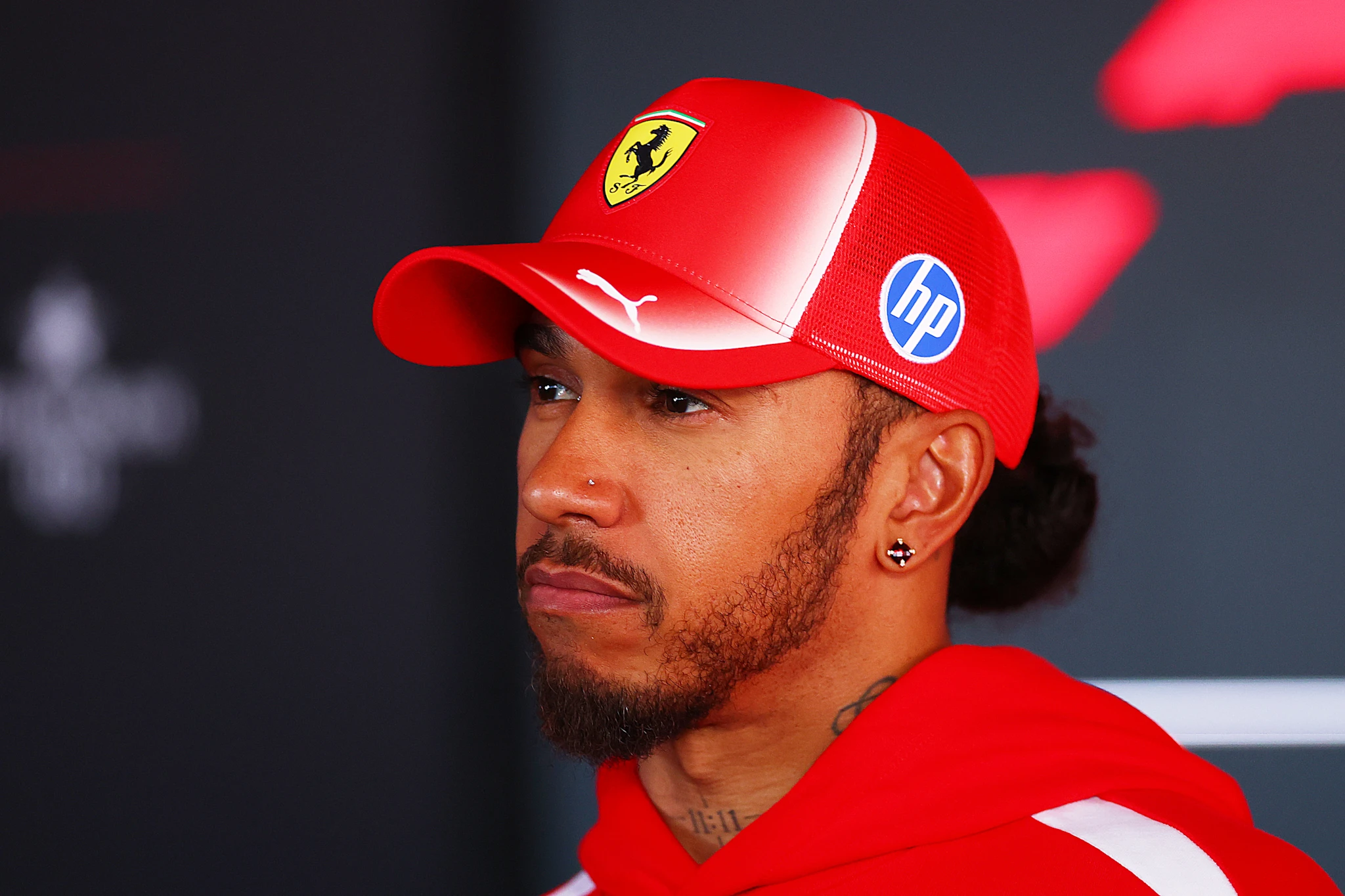
Lewis Hamilton Hungary Qualifying Penalty: P2 to Setback
Hamilton lost P2 after qualifying at Hungary, turning a tidy Saturday into damage control. At a tight track like this, one penalty can wreck the whole plan.

Hungarian Grand Prix Friday Practice: Hungaroring Clues for F1
Dust, wind and bumps made the Hungaroring a headache, but Friday still revealed who looked tidy, who looked nervous and who might be bluffing.
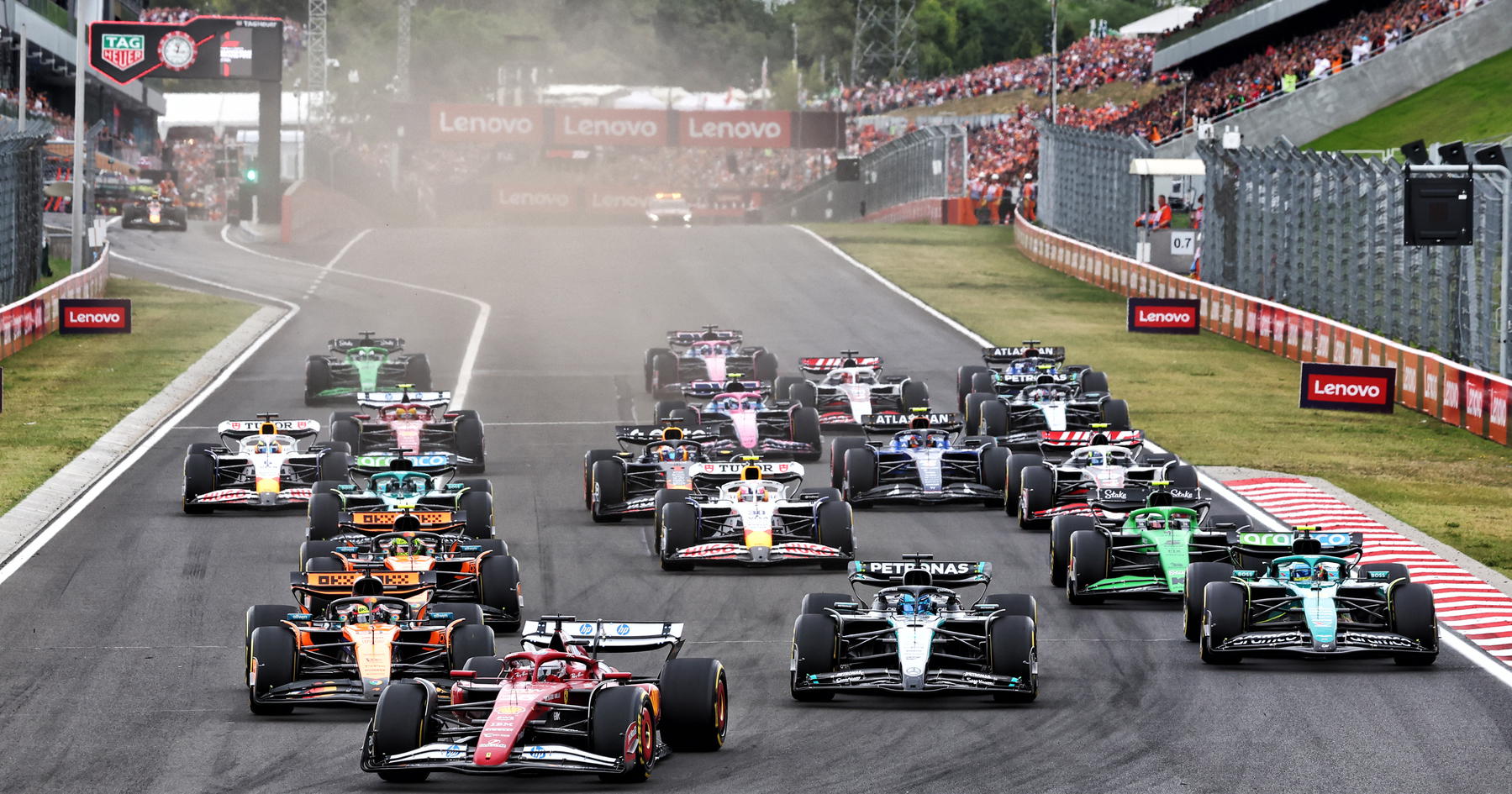
Hungarian Grand Prix Qualifying: Budapest Start Time, F1 Grid Battle
Qualifying for the Hungarian Grand Prix lands at 16:00 local time in Budapest. With Hamilton, Verstappen and Norris in the mix, the real fight begins now.