
Jeff Kent Hall of Fame: Cooperstown salute for an overlooked star
A hard-edged second baseman finally gets his proper due.
 Beatrice Kensington6 min read
Cooperstown gives Jeff Kent the kind of silence numbers deserve
COOPERSTOWN, N.Y. — The plaques on the wall are supposed to tell a story, but sometimes the story is in the pause before the names are read. Jeff Kent has lived in that pause for years: too productive to ignore, too prickly to love, too often treated like a statistical inconvenience instead of what he was — one of the most punishing offensive second basemen the sport has ever produced.
Now he has a place in Cooperstown, and that matters not just to Kent, but to the way baseball remembers its own difficult men.
Kent was never the sort of Hall of Fame candidate built for nostalgia. He did not have the broad, sunlit charm of a cross-era icon. He was not a grace note. He was a bludgeon. At a position long associated with quick hands, double plays and modest expectations, he spent years hitting like an old-school cleanup hitter in a middle infielder’s body. That alone should have made his case louder than it was.
Why Jeff Kent’s case always lived in the numbers
For all the mythology baseball builds around personality and charisma, the game still bows, eventually, to production. Kent’s career line belongs in the company of the best offensive second basemen ever to play. He hit for power in an era when many middle infielders were still being judged by their glove first and their bat as an afterthought. He changed the emotional temperature of a lineup with one swing.
That is the part Hall voters often wrestle with, even when they insist they are not wrestling at all. Kent did not arrive wrapped in sentiment. He arrived in run production.
A generation of fans learned to think of second base as a place for balance, not thunder. Kent wrecked that assumption. He made the position look heavier, more dangerous, more consequential. And whether you loved him or loathed him — and plenty of people did both — his offense forced a reconsideration of what excellence at the keystone could look like.
If you want a measure of how long this argument has hovered over the sport, look at how often baseball has needed time to catch up to the shape of a career. Baseball is forever asking voters to decide whether a player was merely excellent in his era or structurally important to it. Kent’s career was both.
The Hall is also honoring a kind of baseball roughness
Kent’s public image never softened much, and perhaps that is part of why the debate around him lingered. Baseball has always had a complicated relationship with players who do not perform gratitude for public consumption. It likes its heroes immaculate, or at least neatly packaged. Kent was neither.
That friction does not erase his value; if anything, it makes the selection feel more honest. The Hall of Fame should not be a museum of agreeable smiles. It should be a record of what the sport actually was — the clean arcs and the messy edges, the men who made people uncomfortable because they were good enough to command attention on merit alone.
Cooperstown has never been best served by sweetness. It has been best served by truth.
And the truth about Kent is not difficult to state. He was a force. He was often the most dangerous hitter on the field from a position where danger was not supposed to live. He turned second base into a place where pitchers paid for mistakes in a hurry.
This is also why his Hall of Fame arrival feels like more than a personal vindication. It is baseball admitting, belatedly, that positional context matters. A second baseman who hits like a star carries a different burden than a corner slugger. He is doing the offensive work of two players while still being asked to survive the middle of the diamond. Kent did that for years.
What Kent’s induction says about how baseball remembers itself
I have always believed baseball is at its most revealing when it is least sentimental. The sport likes to claim it is timeless, but its memory is extremely modern and often selective. It remembers the center-field poets, the October ghosts, the players with the polished stories. It is slower to honor the men who were all sharp angles and hard truths.
Kent’s Hall of Fame recognition suggests that the room for that kind of player is widening, however incrementally. And it should. The sport has spent too many years mistaking likability for legitimacy. Those are different currencies. Fans know it. Players know it. Sometimes voters take a decade or two to catch up.
That is why this matters beyond one plaque. It is another small correction in baseball’s self-portrait. A Hall of Fame that includes Jeff Kent is a Hall willing to honor power at second base without asking permission from nostalgia. It acknowledges that a player can be abrasive, complicated, even unadorned, and still be historically indispensable.
The larger lesson for voters, and for the players still waiting
There is a wider audience here too: the next generation of candidates who do not fit the easy mold. Every era produces them — the too-raw personalities, the players with unconventional careers, the ones whose value is clearest after the applause has gone home. Kent’s election tells those players something important. The box score can still win, even if the conversation takes a long time to arrive.
It also tells voters something they ought to have learned by now. Greatness does not owe anyone a pleasant demeanor. Baseball’s real task is not to reward the most marketable memory; it is to preserve the truest one.
I think the sport is finally, if unevenly, moving toward that standard. Not because it has become kinder, but because it has become harder to fool. Advanced evaluation has made certain old evasions look flimsy. You cannot keep pretending a player’s offense from second base is ordinary when the numbers keep tapping you on the shoulder, patient as a creditor.
For Kent, the belated honor feels right because it is not trying to reinvent him. It is simply placing him where he belonged all along: among the men who changed games from difficult places.
The plaque is earned. The argument is over. Baseball, at last, has written his name in the right room.
And somewhere in Cooperstown, that hard, clean truth will outlast the debate.
More from Straight From The Bench
Comments
Join the conversation — sign in to leave a comment.
Sign in to commentRelated Stories
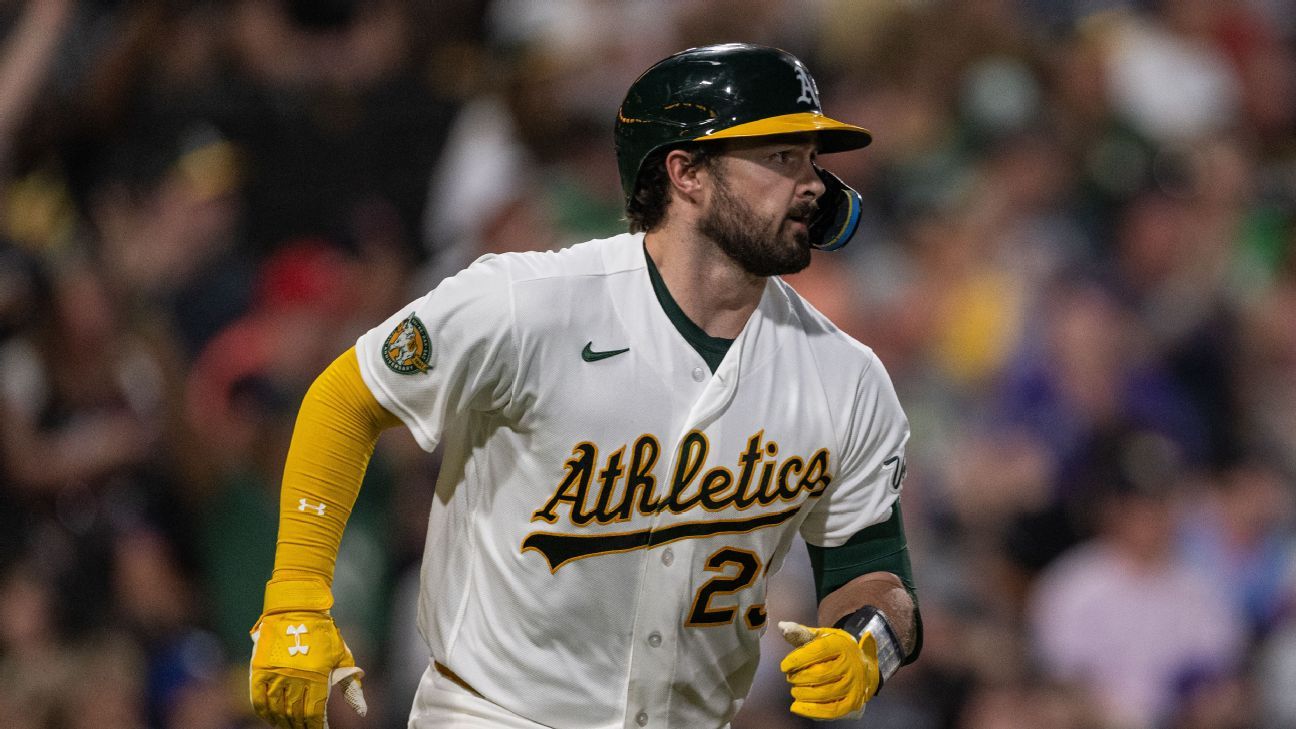
Athletics Shea Langeliers Meniscus Injury: 2026 season blow
Shea Langeliers’ torn meniscus is the kind of injury that doesn’t just trim a roster — it changes the temperature around it. For an Athletics team already taking hits, this stings hard.

Red Sox trade Connelly Early for Curtis Mead: grades and fallout
The Red Sox dealt a young starter for Curtis Mead, a move that reads like urgency in Boston and patience in Washington. The price says plenty about both clubs' timelines.

Red Sox trade Connelly Early for Curtis Mead: deadline logic
Boston dealt Connelly Early to Washington for Curtis Mead, betting the elbow question and roster math favor the bat. It’s a clean deadline-style wager.