
Lewis Hamilton Hungary Qualifying Penalty: P2 to Setback
A tiny miscue at the Hungaroring, and the grid starts biting back.
 Leo Lupo5 min read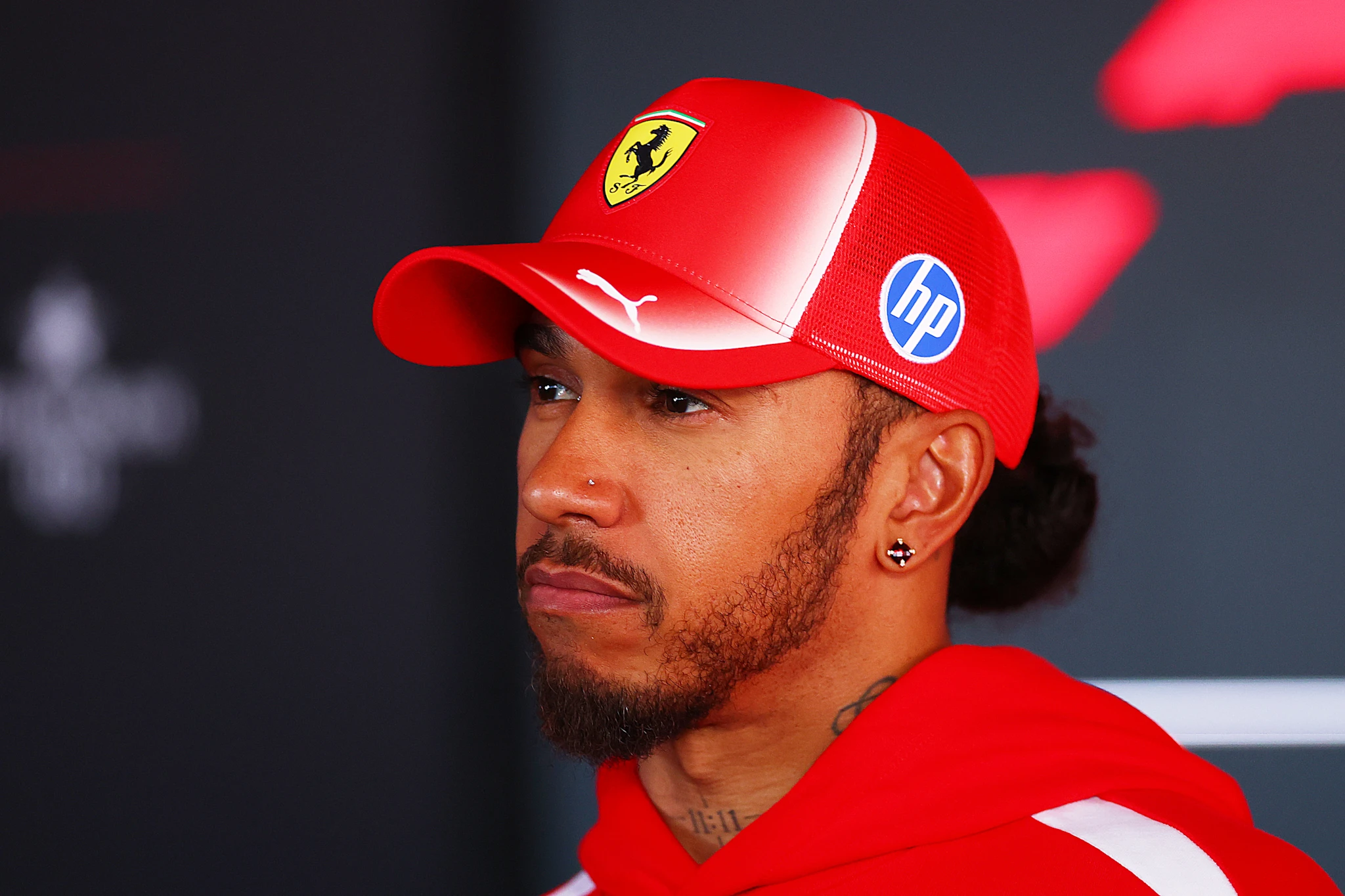
Hamilton had the pace. The paperwork bit him.
Lewis Hamilton did the hard part at the Hungaroring: he put the car up near the front, qualified P2, and gave himself a real shot at making Sunday interesting. Then came the grid penalty, the kind of small-sounding ruling that can turn a clean weekend into a mess in a hurry. That’s Formula 1 for you. One minute you’re all smiles in parc fermé, the next you’re counting the cost of a moment nobody will remember except the stewards.
Hamilton said right after qualifying that his head was elsewhere, and you could hear the frustration in the crumbs of that comment. He was already trying to piece together whether he had gotten in someone’s way. That’s never a good sign. When a driver of his experience is sounding uncertain, it usually means the margins were razor thin and the consequences are about to be worse than the offense.
The Hungaroring does not forgive stray moments
This place has always been a track for discipline, not drama. Tight corners. Dirty air. Not much room to recover if you blink at the wrong time. The old hands know it. The rookies learn it fast. A grid penalty here hurts more than it would at some wide-open speed bowl where a driver can claw back places with a good launch and a brave first lap.
That’s why this matters. Hamilton’s raw qualifying speed was there, and that still tells you something useful. He’s not wandering around the paddock in the wrong gear. But a penalty at Hungary can shove a front-row start into the middle of traffic, and traffic is where races get sticky. One bad first corner, one blocked pit stop window, one tire call that lands wrong, and the whole afternoon turns into trench warfare.
For the teams chasing him, this is a green light. For the one trying to protect his result, it’s a headache with a steering wheel.
What this means for the race and the rest of the field
Hungary has a way of flattening out the fancy stuff. You can have the quickest car on Saturday, but if you start buried behind slower machinery, your strategy gets squeezed and your overtakes have to be earned the ugly way. That opens the door for the usual suspects to make life miserable: the teams with sharp tire management, the ones who gamble on undercuts, the ones who know how to sit in a driver’s mirrors until the tires go off.
Hamilton’s penalty also changes the pressure around the front of the grid. Everybody behind him gets a little braver. Nobody wants to be the driver who lets a wounded contender slip back into the points and pretend the penalty never happened. And if there’s one thing that still travels well in this sport, it’s reputation. Put Hamilton in dirty air and you’re still dealing with a seven-time champion who knows every trick in the book.
The Lewis Hamilton story has always been bigger than one session, but weekends like this are where the old assumptions get tested. Age, reflexes, car performance, timing, all of it gets dragged into the light. He can still put a lap together. No question. The issue is whether the rest of the package keeps handing him these self-inflicted little bombs.
Leo’s take: this is how championships leak away
I’ve watched enough of these Saturdays to know the pattern. Not every title bid dies with a wreck or an engine blow-up. Some of them bleed out through a thousand paper cuts. A penalty here. A track-limits warning there. A dirty-lap compromise. Nothing dramatic enough for the highlight reel, just enough to move a driver from control to catch-up.
That’s the danger for Hamilton, and for anybody else living near the sharp end. You do all the expensive work, then hand the weekend back because of one sloppy moment. Maybe he was unlucky. Maybe he was trying to nurse a lap through traffic. Maybe the stewards had the binoculars out and the rest of us didn’t need to see the whole thing to know the result. Doesn’t matter much now. The grid sheet is the grid sheet.
In Hungary, a penalty doesn’t just cost a spot. It changes the whole shape of your Sunday.
And here’s the part the cheer squad hates hearing: the great ones are judged by how often they avoid these dumb little traps. Hamilton has spent a career thriving under pressure, which is why this stings more than if it happened to somebody in the midfield who nobody expected better from. The bar is higher because he set it there.
If you want the broader lesson, it’s simple. Front-running Formula 1 is a game of precision, and precision gets cruel fast. One misread, one stray car, one judgment call from the wrong angle, and the whole advantage you earned on Saturday starts leaking out before the lights even go out.
Keep an eye on the opening laps
Now comes the real work. Can Hamilton make the penalty look like a bump, not a sinkhole? Can his team read the race well enough to recover track position without chewing up the tires? Can the cars ahead keep the door open long enough for him to strike?
That’s the Sunday story. Saturday was pace. Sunday is damage control.
And at this place, damage control still takes a proper fight.
More from Straight From The Bench
Comments
Join the conversation — sign in to leave a comment.
Sign in to commentRelated Stories

Hungarian Grand Prix Friday Practice: Hungaroring Clues for F1
Dust, wind and bumps made the Hungaroring a headache, but Friday still revealed who looked tidy, who looked nervous and who might be bluffing.
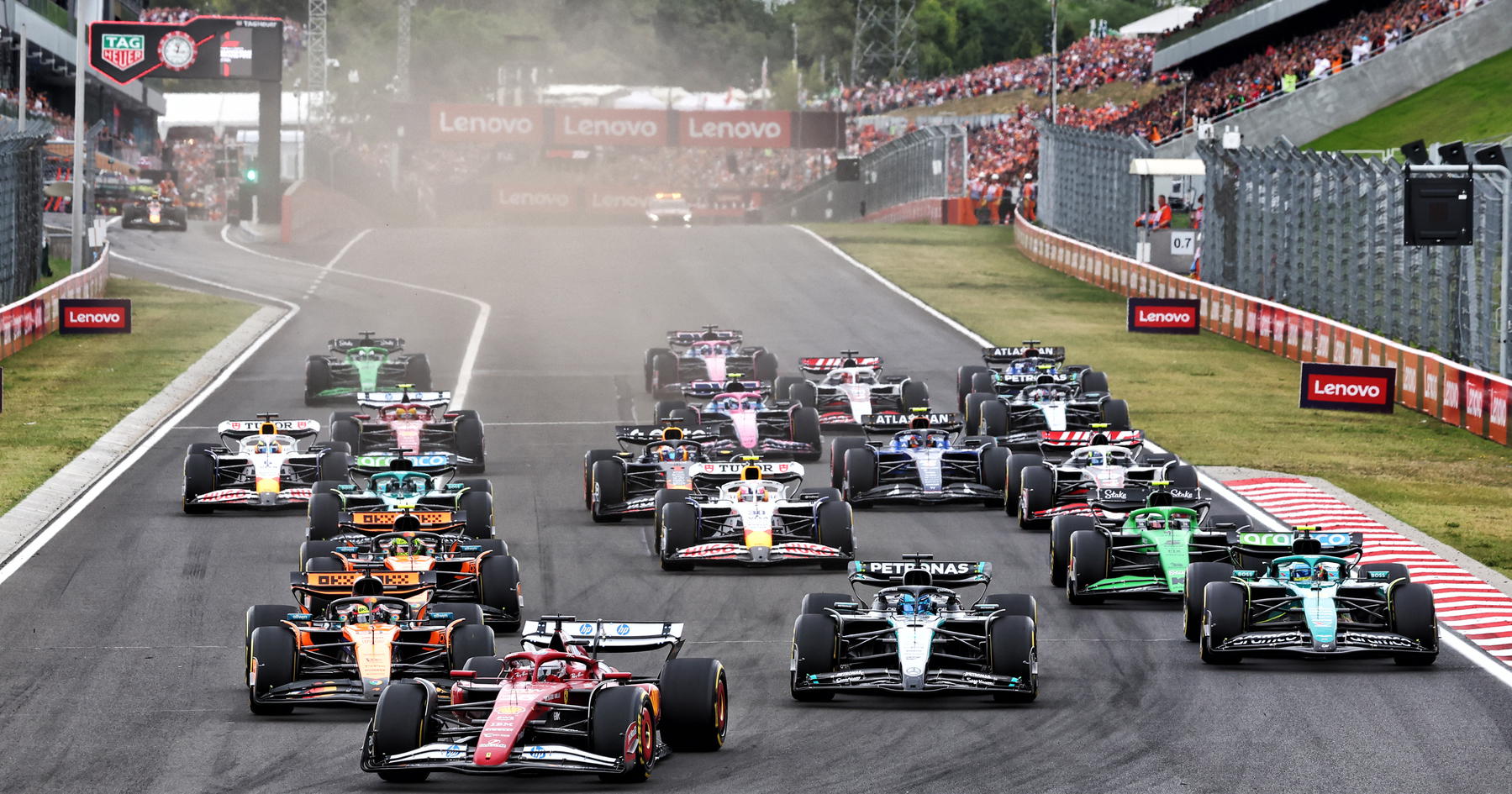
Hungarian Grand Prix Qualifying: Budapest Start Time, F1 Grid Battle
Qualifying for the Hungarian Grand Prix lands at 16:00 local time in Budapest. With Hamilton, Verstappen and Norris in the mix, the real fight begins now.
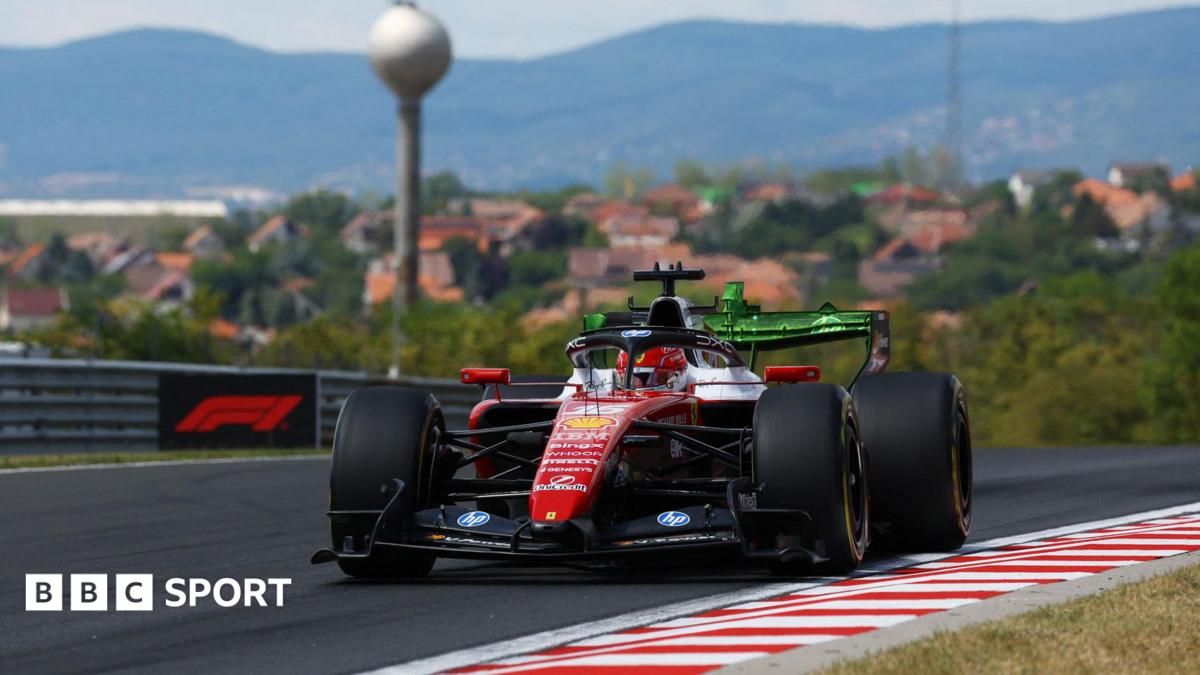
Hungarian Grand Prix Practice: Leclerc Paces Ferrari at Hungaroring
Charles Leclerc topped opening practice as Lance Stroll’s Aston Martin day ended in the barriers. The Hungaroring, as always, punished hesitation.