
NBA Summer League: 10 players who stood out in Las Vegas
The rookies got the runway, and a few vets used Vegas to cash in.
 Zane Miller5 min read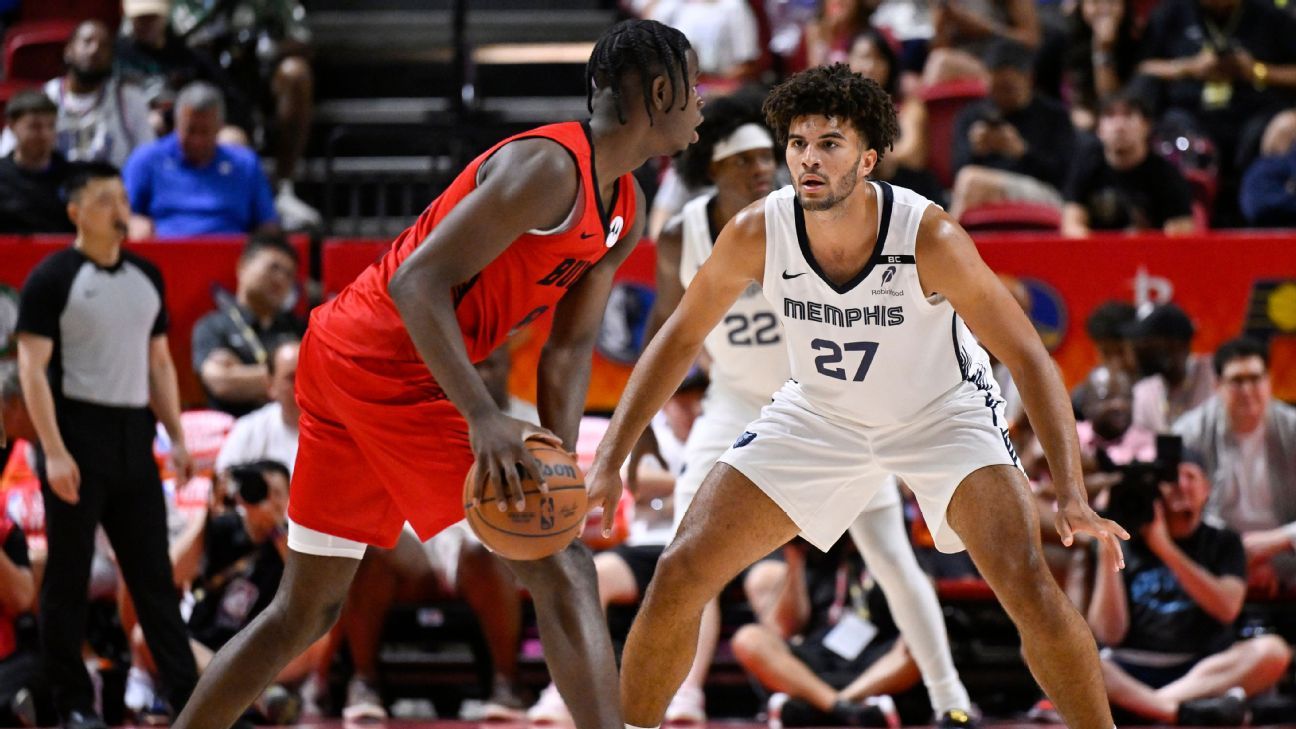
Las Vegas always does this. It takes the league’s freshest faces, throws them under the brightest summer glare, and turns five days of tidy expectations into a week of roster math, patience tests and fake optimism with a real edge. With NBA Summer League wrapped, the first meaningful box score on the new class is in — and a few names made themselves impossible to ignore.
This wasn’t just about who hit shots in July. It was about who looked comfortable against length, who handled the decision-making, who didn’t speed up when the gym got loud. That matters more than the empty calories of a 28-point line in a game nobody will remember in November.
The top of the draft class did what top picks are supposed to do
The biggest reason teams flood Las Vegas every July is simple: the first extended look at premium talent tells you a lot about how fast the runway to the real rotation might move. The top of this class gave evaluators a clean read on tools, pace and touch — and that’s what front offices care about before they care about the headline numbers.
When a lottery player looks overwhelmed in summer league, everybody around the league notices. When a lottery player looks organized, the mood changes quickly. That doesn’t mean the kid is ready to close games in October. It does mean the developmental staff can start drawing a line from raw talent to usable NBA minutes.
The league has learned this lesson over and over. Summer league doesn’t crown stars. It spots the ones who won’t need to be babysat for two years.
The real risers were the players who solved NBA problems
The names that popped weren’t just the high-usage scorers. It was the guys who could make a second read, survive a switch, or keep the ball moving when the first option disappeared. That’s the separator in July. Everybody gets buckets eventually. Fewer players look like they understand how possessions actually breathe.
That’s why this event still matters even with the obvious caveat that the competition is uneven and the sample is tiny. Some players came into Vegas with a reputation and left with a better one because their game translated in ways that feel repeatable. Others flashed pure offense but still have a lot to prove once scouting reports get serious and rotations stop being generous.
The executives watching this stuff aren’t asking who was the best scorer in a gym. They’re asking who can survive a Tuesday night in February when the opponent already knows your left hand is a problem.
Summer league doesn’t make you a player. It just tells the league whether it should start paying attention.
What it means for the teams that are building now
This is where the league’s front offices separate hope from projection. Some teams left Vegas encouraged because their investment pieces looked ahead of schedule. Others probably left with a tougher meeting on the calendar, because the gap between “interesting” and “ready” is still wide.
For rebuilding clubs, that gap matters. A young core that can process the game quickly usually compresses timelines. A young core that needs everything simplified usually pushes the whole plan back a season or two. That’s the hidden value of this tournament: it doesn’t just tell you who can play. It hints at how long the franchise is going to be patient.
For veteran-heavy teams, the read is different. They’re looking for cheap rotation depth, two-way contract value and one or two players who can soak up minutes without forcing the coach into damage control. If a summer standout can defend, make the simple pass and stay playable, somebody will keep him around.
The roster/cap angle is real here. Teams live in the margins now. One useful low-cost player can save a front office from spending real money on a backup spot later. That’s why every competent team treats these games like a live inventory check.
My read: the league keeps rewarding the same kind of player
I’ll take the boring answer over the flashy one here. The guys who usually win this week are the ones who already look like they understand the job description: defend enough, move the ball, don’t waste possessions, and show at least one NBA skill that bends a defense.
That’s not sexy. It is survivable. And survivability is currency in this league.
I’ve seen enough summer leagues to know the crowd can fall in love with one-off shotmaking and forget the rest. The teams don’t. Not really. They remember the footwork on the closeout. They remember the extra pass. They remember who got trapped and didn’t panic. If a player did those things in Vegas, he probably earned more trust than the scoring line suggests.
That’s why these overviews matter beyond the clip economy. They give you a sense of which organizations are developing with intention and which ones are still hoping talent alone will do the heavy lifting. It almost never does.
If you want the cleanest read from Vegas, forget the leaderboard and watch the process guys. They tend to be the ones who end up sticking around when the calendar turns and the games count.
More from Straight From The Bench
Comments
Join the conversation — sign in to leave a comment.
Sign in to commentRelated Stories
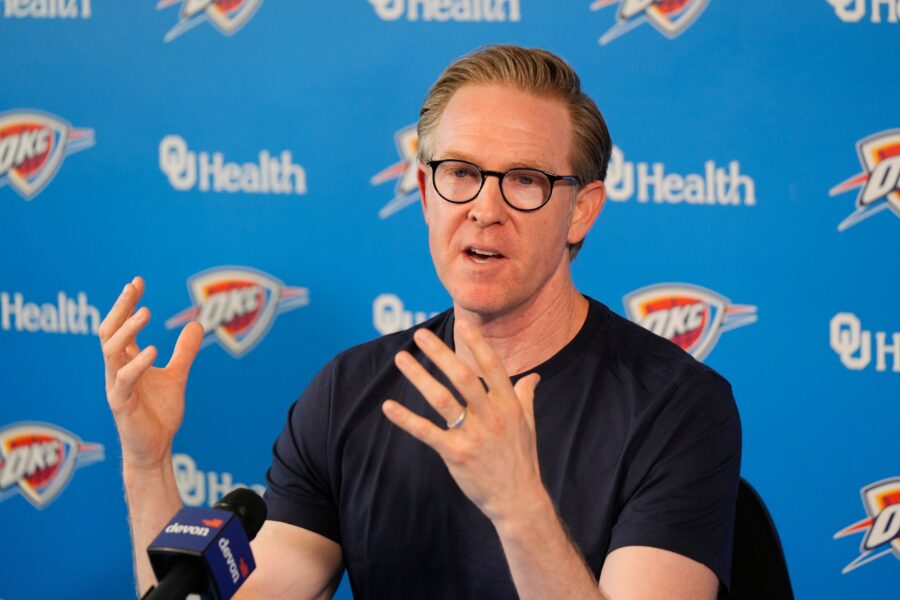
Lu Dort Trade: Sam Presti Calls It a Financial Decision
Oklahoma City moved Lu Dort and got three second-round picks back. Sam Presti says it was about money, and in the NBA that usually means more is coming.
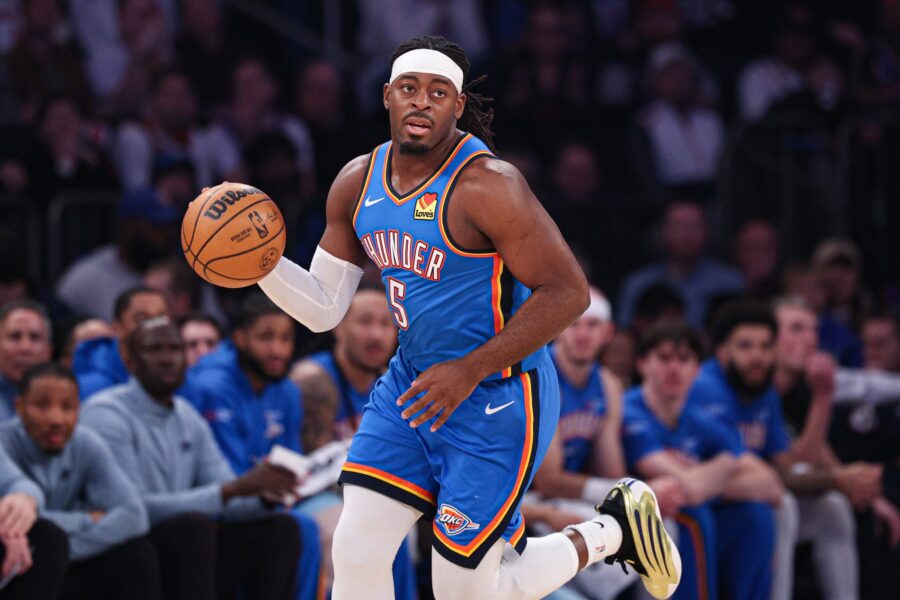
Thunder trade Lu Dort: Hawks land stopper, Mavs get Risacher
Oklahoma City moved Lu Dort in a three-team trade, sending Zaccharie Risacher to Dallas and reshaping the market around value defenders and young wings.
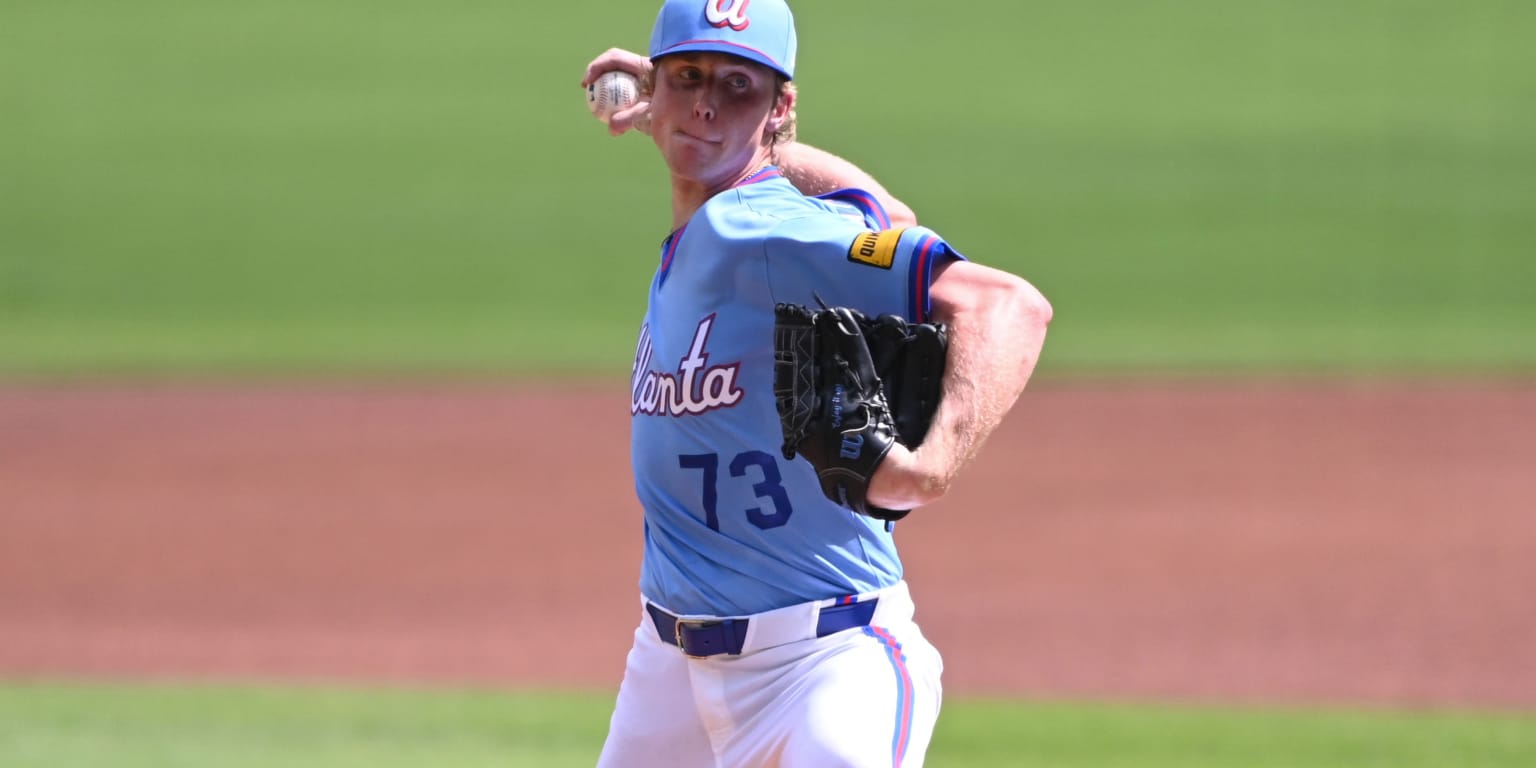
Braves Starting Pitching: Owen Murphy’s Rocky MLB Debut Deepens Concern
Owen Murphy’s first MLB start didn’t change the Braves’ math. The future is there. The innings, for now, are not.