
NC State sports medicine director arrest: Robert Murphy Jr. charges
A tenured trainer’s fall leaves a long, ugly stain on the Wolfpack.
 Leo Lupo5 min read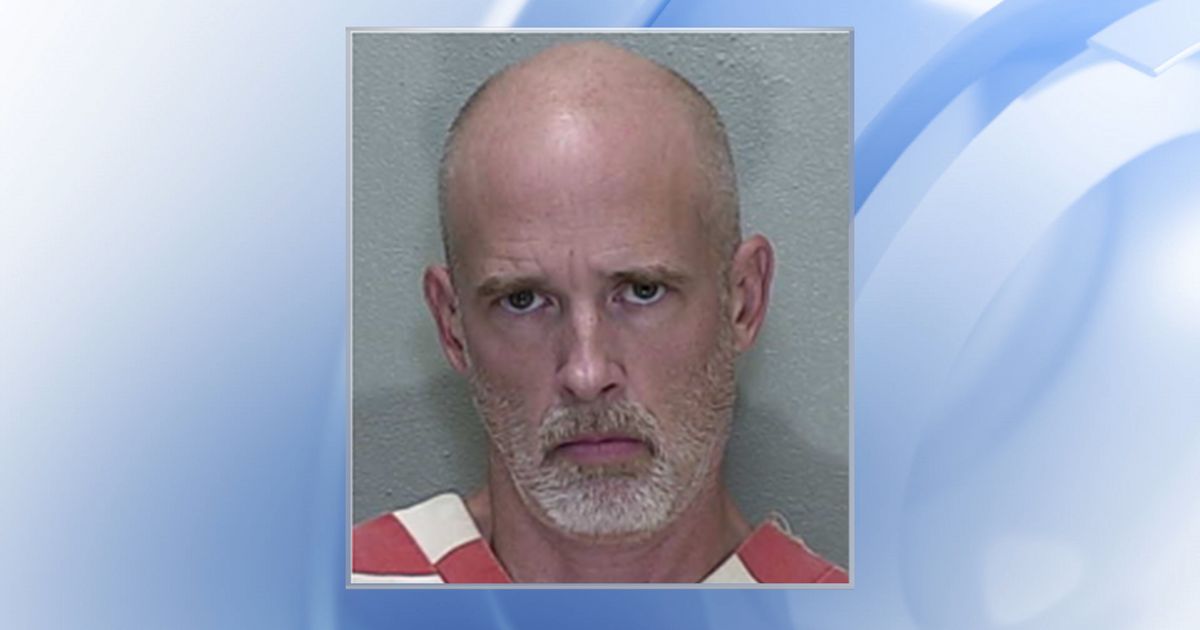
NC State has lived with this shadow for years, and now it’s got cuffs on it. Robert Murphy Jr., the former sports medicine director who spent a decade around Wolfpack athletes, has been arrested in Florida after a criminal indictment in Wake County. The charges are no small matter, either: more than two dozen counts, including nine felonies, tied to sexual abuse allegations that have dogged him for a long time.
This is not a fresh bruise. It’s the latest hard shove in a story that has been hanging over the program like bad weather since the civil suits started piling up. More than 30 former male athletes had already sued Murphy. That doesn’t make anyone feel better now. It does, however, tell you this wasn’t some isolated locker-room rumor that faded with time. It was a serious complaint pattern, and now the legal system has stepped into the middle of it.
A ten-year role that carried real power
People hear “athletic trainer” and think tape jobs, ice bags, and the occasional ankle that rolls the wrong way in practice. That’s the shallow end. A director of sports medicine in a Division I program sits much closer to the center of the machine than most fans ever realize. He sees athletes at their most vulnerable. He has access. Trust. Routine. That’s the ugly part when a case like this explodes. The badge on the polo shirt may say health care, but the leverage can feel a lot larger.
Murphy was there for a decade. That matters. Ten years is long enough to know the hallways, the habits, the people who keep quiet, and the people who’d rather not make trouble. Institutions love continuity when it wins games. They get a lot less fond of it when continuity turns into liability.
And for NC State, the questions aren’t only about one man’s conduct. They’re about how long this sat in the plumbing before it reached the floor.
The lawsuit trail was the warning flare
The civil suits came first, and they were never just paperwork. They were the alarm bell. Once that many former athletes put their names on a complaint, the issue stops being gossip and starts being a record. It also forces the broader conversation that schools hate most: what did they know, when did they know it, and who decided to keep the machine humming?
That’s where universities get slippery. They’ll talk about policy. Training. Reporting channels. All the expected white noise. Fine. But if athletes were vulnerable enough to sue in large numbers, then somebody somewhere failed the basic duty of care. Maybe several somebodies did. That’s the part lawyers will fight over, and fight over for years.
If you’re looking for the athletic department angle, it’s simple enough. A school can survive a bad season. It can survive a coaching search, a blown NCAA run, even a scandal or two if the facts are contained. What it cannot do cleanly is explain away a safety failure around athletes who depended on the staff to look after them. That leaves a scar that doesn’t wash out with a statement.
Why this hits harder than a standard scandal
I’ve covered enough of these wrecks to know the pattern. First comes disbelief from the public, then the careful institutional language, then the lawsuits, then the arrest, and finally the long slog of accountability that never feels as complete as it should. The suits don’t always produce the cleanest headlines, but they often tell you where the bodies are buried long before the handcuffs do.
This isn’t just a legal story. It’s a trust story, and those are the ones sports organizations usually lose the worst.
That’s the punch line here, if there is one. Athletes are told from the time they’re kids to trust the people in the building — the trainers, the doctors, the people with the clipboards and the key cards. When that trust gets abused, it stains everybody in the room. Teammates. Coaches. Administrators. Even the fans, because nobody likes to learn their program was running on rotten framing.
For a school like NC State, this also lands in the bigger college-sports conversation. The NCAA may sell amateurism, but the modern program is a corporate campus with jerseys. Medical staff are not side players. They’re part of the core infrastructure. If that infrastructure is compromised, the whole place looks cheaper than it wants to admit.
The bigger lesson for college athletics
Leo Lupo’s view? These cases always expose the same old cowardice: institutions love protecting their image right up until the moment the lawyers tell them image is no longer an asset. Then the music stops. Then everybody discovers the policies, the hotlines, the review boards, the sacred commitment to student-athlete welfare. Funny how those things get loudly named after the damage is done.
I don’t say that to be clever. I say it because I’ve seen too many schools act like accountability is a branding exercise. It isn’t. It’s a habit. If a program can’t police the people closest to the athletes — the ones with access and authority — then it’s not serious about welfare. It’s serious about optics.
And once criminal charges enter the picture, the university’s old excuses get a lot thinner. There will be statements. There will be some carefully buttoned-up talk about cooperation. There should also be independent scrutiny, the kind that doesn’t stop at the first uncomfortable answer. Because if this was allowed to fester for a decade, the problem was never just one bad actor. It was a system that either missed him or made itself easy to miss.
For NC State, the best move now is simple and rarely elegant: let the process run, cooperate fully, and stop pretending the institution can control the blast radius with polished language. That ship sailed a while ago.
The fallout won’t end with this arrest. It’ll keep working through the courthouse, through the campus, and through every conversation about who gets trusted around young athletes. And that part, unlike the legal filings, doesn’t have a neat date on it.
More from Straight From The Bench
Comments
Join the conversation — sign in to leave a comment.
Sign in to commentRelated Stories

Deion Sanders Colorado Football: Players Dismissed After Blowout Loss
Deion Sanders sent a message after Colorado’s blowout loss at Northwestern, dismissing players for conduct detrimental to the team. The reset is immediate, and the pressure just got louder.
Chris Spatola dies at 47: Duke and college hoops lose a voice
Chris Spatola, the Duke-connected analyst and former Army player, has died at 47. The college hoops world just lost one of its steadier voices.
NFL Week 3 Picks: Straight Up, ATS and Survivor Pool
Week 3 in the NFL always has a way of embarrassing anybody who thinks they’ve got a lock. The spreads are twitchy, the survivor pool feels safer than it is, and the wise money is usually the boring mo