
NFL replay review transparency: league may reveal officiating audio
The curtain is thinning, and the league finally seems to know it.
 Beatrice Kensington6 min read
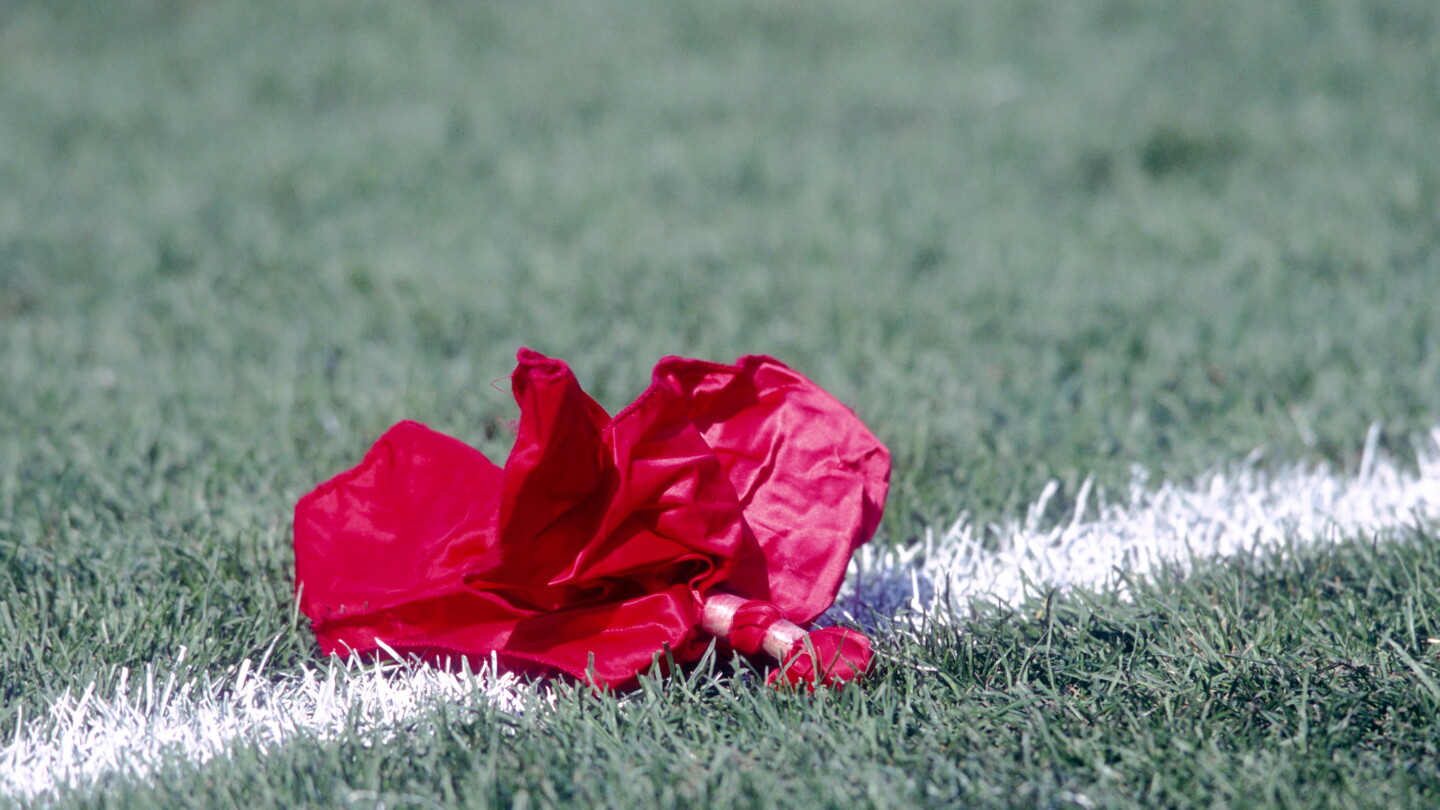
The NFL has spent decades asking fans to trust what they could not hear, and often could not quite see. A flag would fly, a ruling would stand, a stadium would grumble, and the explanation — if one came at all — would be offered in the flat, bureaucratic language of authority. That arrangement may finally be giving way. The league, nudged by outside models and its own restlessness, appears ready to open the door a little wider on replay review transparency before this season is done.
That sounds procedural, even dry. It is not. It goes to the marrow of the modern sports bargain: access in exchange for trust. And trust is a brittle thing in a league that has spent years trying to convince viewers that the most consequential decisions of the afternoon are being handled cleanly, in real time, behind an opaque wall of headsets and hurry-up gestures.
The NFL’s wall of silence has always been part of the problem
For years, the league has treated officiating as though mystery itself conferred dignity. The official announcement comes down from the booth, the broadcast crew supplies a few seconds of interpretation, and the audience is expected to move along. Yet football is now watched under a brighter, harsher light than ever before. Every angle is slowed, clipped, posted, argued over, and replayed until even the casual fan can spot a missed spot or a questionable toe tap.
That is why the old model feels so creaky. The NFL has built a product that depends on forensic scrutiny, then asked consumers to accept a verdict delivered in whispers. The contradiction is no longer manageable, especially in a year when the league has seen how much more credible a sports operation can sound when it explains itself instead of hiding behind formality.
You can hear the pressure in the background of this story. You can hear it in fan frustration. You can hear it in coaches, too, even the ones who benefit from the current fog.
What the UFL, ACC and Big Ten figured out before the NFL
The most revealing part of this shift is not that the NFL is considering transparency. It is that smaller or less sanctified leagues have already shown the path. The UFL) has leaned into officiating openness. College football conferences, including the ACC and Big Ten, have also taken steps that make the process feel less like a sealed vault and more like a live civic ritual.
That matters because institutional change in sports often arrives sideways. The most powerful league on earth does not usually invent the future first; it absorbs it after the proof has been worn in somewhere else. Sean Payton’s summer prediction that the league would eventually adopt UFL-style transparency within a few years suddenly feels less like a coach’s passing comment and more like an early reading of the room.
The Broncos coach was speaking to a truth every football lifer understands: once fans see a cleaner system operating elsewhere, they stop accepting the least transparent version at the top. The bar rises. The old habits begin to look defensive.
The NFL does not fear bad officiating as much as it fears explaining bad officiating in public.
Why this could change the tone of the whole season
If the league moves before season’s end, the immediate effect will not be perfection. No amount of audio, replay access, or polished explanation will erase the human error baked into football officiating. The game is too fast, the bodies too tangled, the judgments too often made in a half-second with a dozen competing truths on the field.
But transparency changes the emotional architecture of a controversial call. A bad ruling with a clear explanation is still a bad ruling, yet it no longer feels like a secret handshake between league office and officiating crew. That distinction matters. Fans can absorb error. What they cannot tolerate for long is the sense that error is being embalmed and sold back to them as inevitability.
This would also affect coaches, who have long used officiating opacity as both grievance and leverage. The more visible the review process becomes, the harder it is to weaponize confusion. That is a small revolution in itself. It forces everyone — sideline, booth, broadcast, and audience — to argue over the same facts instead of a haze of half-heard assumptions.
I have covered enough leagues to know that transparency is not some sentimental virtue, a ribbon to pin on the lapel of governance. It is a strategic concession. Organizations open the window when the room has grown too stuffy to ignore, and the NFL has clearly reached that point. The league has become too televised, too replayed, too monetized to keep pretending the old fortress model is sustainable.
There is also a political dimension here, though football rarely likes to admit it. The modern fan has been trained by every other corner of public life to distrust institutions that demand faith without showing their work. Sports are not immune to that mood. They are actually one of its cleanest mirrors. When the NFL refuses to narrate its own decisions, it looks less like a steward of fairness and more like another power structure protecting itself from scrutiny.
The bigger stakes for the league’s credibility
The league’s great strength has always been its ability to absorb criticism and keep moving. It is built for that. But the same resilience can become complacency, and complacency is how institutions begin to lose the public’s affection in small, cumulative cuts. A fan who feels cheated on one Sunday does not just remember the call. He remembers the silence around it.
That is why this story reaches beyond officiating mechanics. It is about whether the NFL wants to keep asking for faith in an era that no longer gives it cheaply. The answer, finally, may be no. Or at least: not without receipts.
There will be resistance. There always is. Some within the league will argue that too much visibility invites second-guessing, that microphones and live explanations will only sharpen the public’s anger. They are not entirely wrong. More information does not always soothe. Sometimes it agitates. But agitation is not the same as instability. Often it is the first honest stage of reform.
And honesty, in a league this powerful, can be a radical thing.
If the NFL really is ready to let fans hear more of what happens in the review process, it will not merely be adopting a new feature. It will be acknowledging that the age of hidden authority is over. The whistle may still blow. The judgment may still sting. But the curtain is moving, and once it starts, it rarely slides all the way back.
More from Straight From The Bench
Comments
Join the conversation — sign in to leave a comment.
Sign in to commentRelated Stories
NFL Week 7 injury report: Lamar Jackson, Breece Hall updates
Lamar Jackson is limited, Breece Hall is sitting out, and the Week 7 ripple effects are real. This is where Sunday availability starts turning into roster leverage.
Commanders vs 49ers ratings: Monday Night Football draws 17.9 million
A lopsided start turned into a nervy finish, and the numbers followed. Monday Night Football still packed the house, while the alt cast barely drew a crowd.

Manchester United Champions League loss: Fernandes slams tactics
Bruno Fernandes has drawn a hard line after Manchester United’s 4-1 Champions League defeat at Como. The captain’s frustration says as much about the club’s mood as the result.