NFL Sunday Ticket Appeals Court Ruling Could End the Package
The league’s costly luxury may be headed for the cutting-room floor.
 Beatrice Kensington5 min read
The package that made football feel smaller
The NFL has spent decades turning scarcity into an asset, and Sunday Ticket was one of its most profitable sleights of hand. It let fans buy access to the games their local stations refused to show, a premium product built on frustration, wanderlust and the peculiar modern belief that every screen should be a portal to everywhere. Now an appeals court ruling has thrown that arrangement into fresh doubt, and the league is staring at a future in which the old out-of-market model may not survive the next broadcast cycle.
That matters beyond the mechanics of television rights. It goes to the heart of how the NFL packages its dominion. The league has long sold not just football, but control over football — the right to decide who sees what, when, and at what price. If Sunday Ticket is dismantled or forced into a different shape, the NFL loses one of its cleanest examples of monetized scarcity. The business is still immense. The aura around it, though, is a little less invincible today.
A legal crack in a very expensive wall
The appeal ruling does not automatically erase the package, but it does add pressure to a system already wobbling under its own complexity. The NFL has been inching toward a future where games are scattered across broadcast networks, streaming platforms and premium add-ons, each piece fenced off like a private garden. That model has made some executives rich and some fans tired.
If the league has to redesign Sunday Ticket, it will not be because of sentiment. It will be because the old arrangement has become legally and commercially awkward. There is only so much public patience for a setup that asks fans to pay more for access to a sport already distributed across too many gates. The league knows this. It also knows that a product once considered indispensable can become a liability when the courtrooms start talking.
There is precedent, of a sort, in other sports rights battles, though the NFL’s scale is always its own weather system. We have seen this drama ripple through the larger broadcast economy before, and we know the ending is rarely tidy. The money moves. The audience adapts. The fans, as usual, are the last to be consulted.
The broadcast landscape is changing underneath the league
The NFL is not the only force shaping this story. The entire media market has been transformed by the rise of streaming, the fragmentation of cable and the rising cost of chasing live sports. Sunday Ticket was once the perfect premium add-on for the deeply committed fan. Now it can feel like one tab in an increasingly bloated digital cart.
That is why the league may eventually decide to kill the old model itself rather than defend it to the bitter end. If there is a smarter route, it is likely to be one that folds out-of-market access into a broader streaming bundle or reimagines distribution entirely. The old architecture — one exclusive package serving a relatively narrow audience at a steep price — looks less durable by the season.
For fans, the stakes are plain. Out-of-market supporters, fantasy devotees, expatriates, and the millions who have built their Sunday rituals around chasing every game have made Sunday Ticket part of the rhythm of the sport. Remove it, and you do not just change where people watch. You change how they live with the league. That is not a minor adjustment. It is a cultural one.
What this means for fans, teams and the league’s leverage
The NFL has always understood leverage better than almost any other American institution. It uses scarcity to drive demand, and it uses demand to justify scarcity. But there is a point at which the same device becomes clumsy. If too many games are buried behind too many paywalls, the product starts to feel less exclusive than fragmented.
That fragmentation affects more than the consumer. Teams with national followings benefit from broad exposure, but smaller-market clubs and displaced fan bases have relied on Sunday Ticket to keep their communities stitched together. The package is a strange kind of civic glue. Lose it, and the league may discover that convenience is not a luxury in modern sports media. It is the medium itself.
The NFL has spent years monetizing access; now it may be forced to reckon with the price of over-monetization.
I have watched leagues mistake short-term extraction for long-term strategy before, and the pattern is rarely flattering. The money arrives first. Then the fans begin to splinter. Then, with enough legal pressure and enough consumer exhaustion, the executives rediscover the value of simplicity. The NFL is not there yet, but it can see the shoreline.
There is a lesson here that reaches beyond football. The league’s broadcast empire has always depended on the assumption that fans will tolerate inconvenience if the game itself remains irresistible. That assumption has been safe for a long time. It may still be safe. But safety is not the same as permanence.
A familiar NFL problem: too much value, too little grace
This is the oddest part of the Sunday Ticket story. The NFL did not get into this mess because people stopped wanting football. It got here because football remains so valuable that every possible slice of it has been monetized, litigated and resold until the seams show. That is a triumph, yes. It is also a warning.
There are Week 8 injury questions across the league and other competitive realities consuming attention, but the television structure under the sport may prove just as consequential over time. The league can survive one legal setback. It can survive a dozen. What it cannot do forever is keep asking fans to navigate a maze and pretend the maze is a feature.
The next broadcast deal will tell us whether the NFL intends to simplify before the courts or after them. Either way, Sunday Ticket’s old life looks endangered. The league may have spent years building the most powerful sports product in America. Now it has to decide whether that power is best displayed through control — or through access.
The answer will shape more than a package. It will shape the way football is lived on a Sunday afternoon.
More from Straight From The Bench
Comments
Join the conversation — sign in to leave a comment.
Sign in to commentRelated Stories
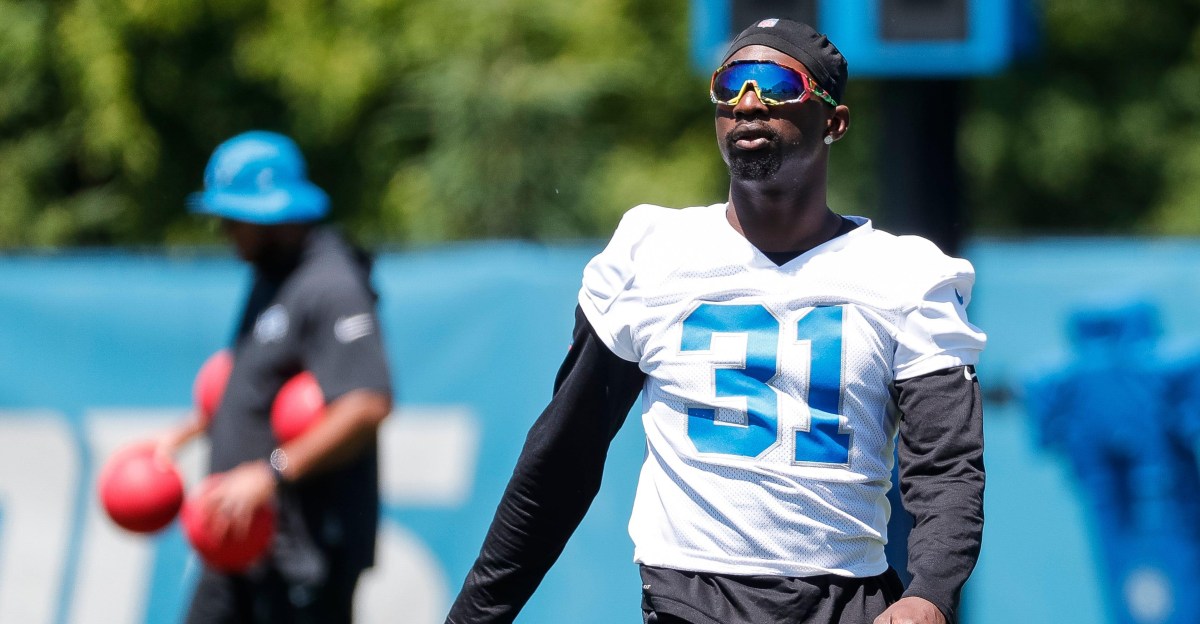
Lions vs Vikings Week 8 injury report: Kerby Joseph out
Kerby Joseph is out, the secondary is banged up, and the NFC North’s hottest team rolls into Ford Field. That’s not a cute little subplot. That’s the whole table.
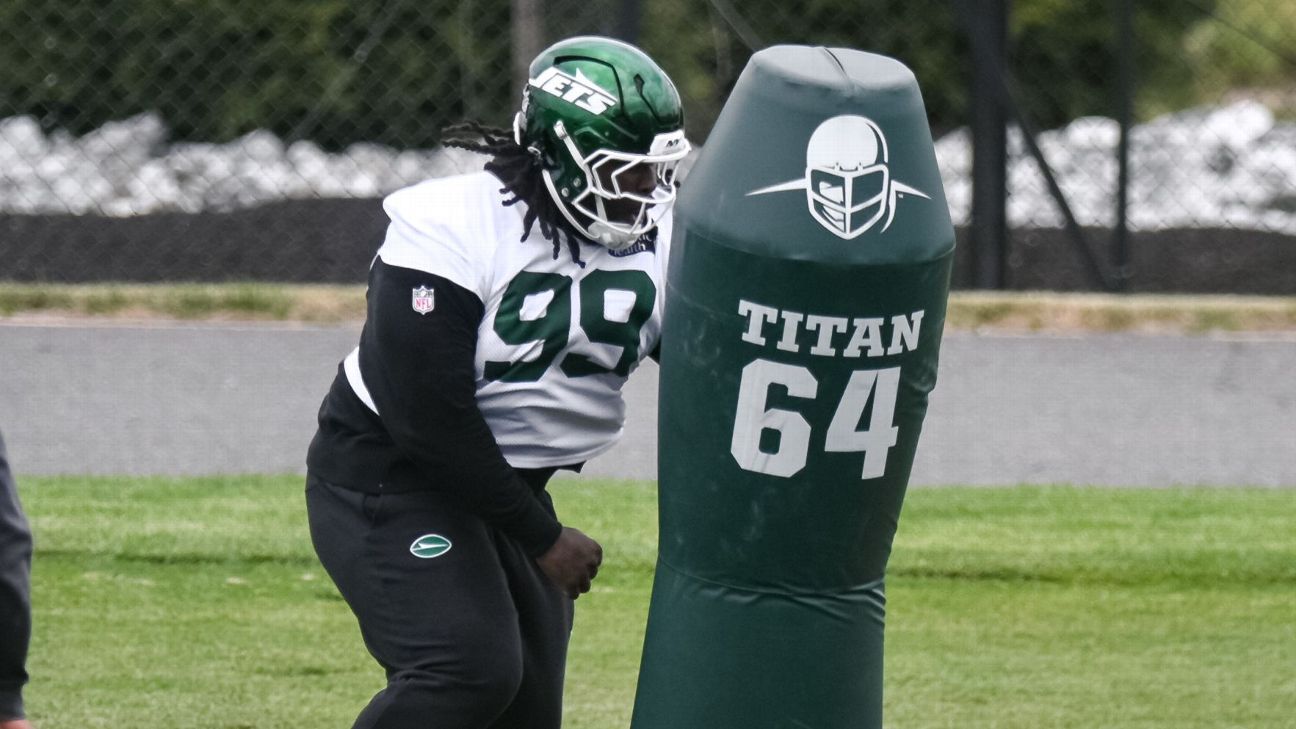
Jets Defensive Injuries: T'Vondre Sweat, David Bailey Out
New York’s defense is walking into Sunday lighter than it can afford to be. Against Ashton Jeanty and the Raiders, the Jets may have to survive on attitude as much as manpower.
NFL Week 8 Injury Tracker: Saquon Barkley, Lamar Jackson Updates
Week 8 is a waiting game for backs, quarterbacks, and fantasy managers. Saquon Barkley is still sidelined, while Lamar Jackson is trending back.