
Open Championship 62s: Lucas Herbert and Sam Burns make history
Two men touched the summit on Friday, and Birkdale still felt merciless.
 Beatrice Kensington5 min read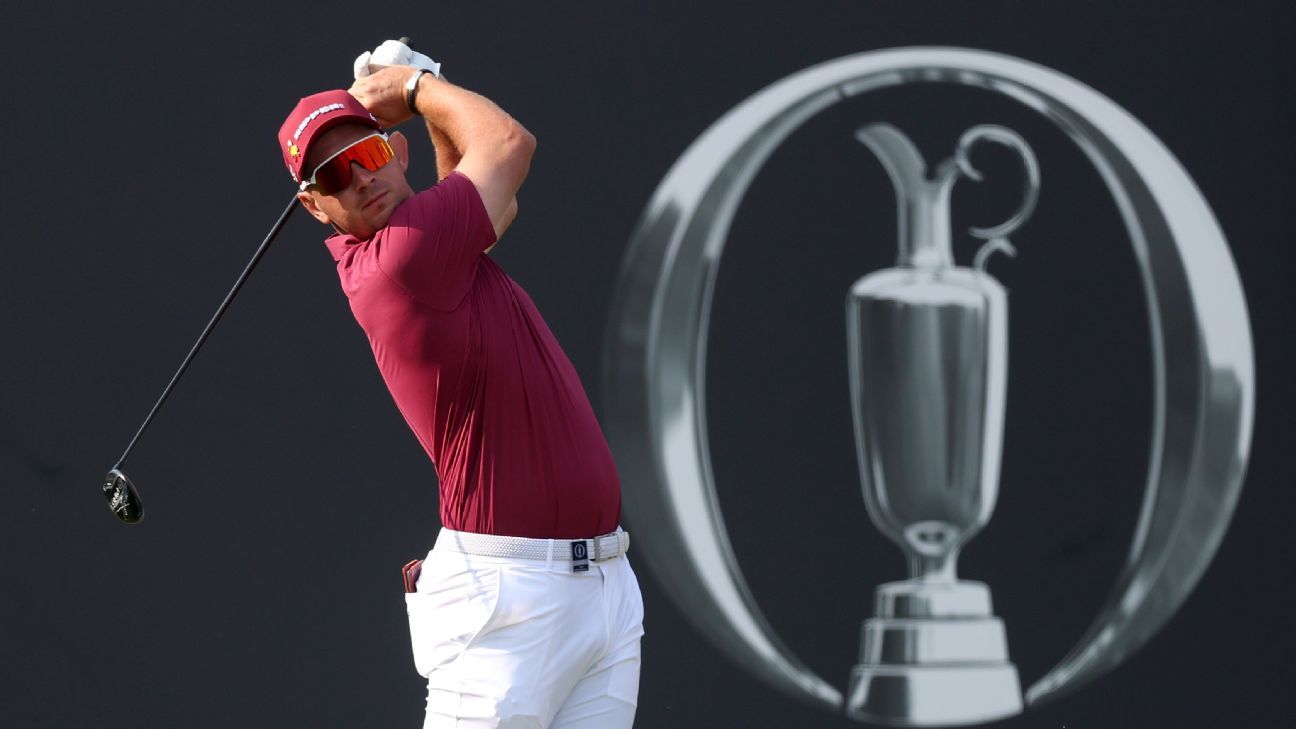
Lucas Herbert and Sam Burns did what only a handful of men in golf history have managed to do, and they did it on a day when Royal Birkdale Golf Club still looked every inch the unsentimental judge it has always been. A 62 in a major is not merely a score. It is a declaration. It says the player found a narrow seam through wind, pressure, and the peculiar cruelty that major championships reserve for even their most gifted fields. On Friday, both men found it.
Herbert’s round carried the drama of a great seaside canvas: momentum gathered, then threatened, then gathered again. Burns, quieter in style but no less devastating, matched him stroke for stroke. Each stood on the edge of history and did not blink. That is the part of the story that lingers. Records matter, yes, but what makes a round like this memorable is the emotional discipline behind it. To shoot 62 at an Open Championship venue is to play brilliant golf while the entire architecture of the week leans against you.
Birkdale did not soften, which is why the number matters
Royal Birkdale is not a resort course dressed up for television. It is a links field that asks for humility, control, and a kind of weather-hardened imagination. The ball bounces where it pleases. The wind turns simple intentions into negotiations. That Herbert and Burns each produced the same major championship scoring record there gives the feat an edge that raw numbers alone cannot capture.
This is not the kind of record built on soft fairways and generous pins. It was earned in the old currency of the game: patience, trajectory, nerve. There is a reason major championship scoring records are so rare. The majors are designed to expose frauds and punish overreach. A 62 in that environment is a player briefly making the hardest golf look almost casual.
A major championship 62 does not mean the course surrendered. It means somebody outwitted it for a single, perfect afternoon.
Burns, Herbert, and the strange company of record rounds
The major championship record has been reached by men who became part of the sport’s permanent weather. Branden Grace famously shot 62 at the 2017 Open, and the number has carried a sort of myth ever since: a round so sharp it seems borrowed from another game. Burns has now entered that company. Herbert has, too. That is no small thing for two players whose careers have been built less on mythology than on persistence.
There is also something quietly revealing about the names attached to these rounds. Golf’s modern era is full of players who can explode for 62, then spend three days trying to survive the rest of the championship. That does not diminish the achievement. It frames it. This sport has become less about the old, steady accumulation of pars and more about violent bursts of precision, the ability to post a number that changes the temperature of an entire tournament.
If you follow the arc of the week, the record round becomes more than a headline. It becomes leverage. It can alter pairings, bets, confidence, and the way rivals sleep. A player who has just shot 62 walks differently for the rest of the championship. Others notice. The field notices even more.
What this says about modern major golf
I have always thought the hardest thing in golf is not the swing itself but the maintenance of belief after the swing lands somewhere inconvenient. Majors are built on that pressure. They take competent professionals and ask them to keep their language clean while the course slowly strips their options away. So when a player reaches a place like 62, the score is doing more than recording excellence. It is announcing a temporary victory over doubt.
I also think this says something larger about the modern game’s appetite for volatility. We live in an era where elite golf can flip from survival to assault in the span of an hour. Scores that once felt ceremonial now arrive with a sharper edge, because the fields are deeper and the margins thinner. There are more athletes capable of turning a major championship into a birdie barrage, but the championship itself remains built to resist them. That tension is the theater.
Herbert and Burns have given The Open Championship exactly what it needs: an all-time number wrapped inside an unresolved story. No one hoists a trophy for a Friday 62. Still, the round changes the mood of the week. It changes who is dangerous. It changes who is hunted.
For Herbert, the missed five-foot par putt on 18 is the kind of small, sharp reminder golf never allows anyone to forget. Even when history is within reach, the game keeps a lock on the door. Burns, meanwhile, has shown the kind of form that can carry a player from curiosity to contender in one afternoon. That is how majors turn. Not always with thunder. Sometimes with a number that lands softly and echoes all the louder for it.
If the weekend turns messy, Birkdale will have its say. If the weather shifts, if the greens harden, if nerves do what nerves always do, Friday’s record will look even more astonishing in retrospect. And if one of these men keeps the fire lit, then the 62 will stop being the story’s climax and become its opening act.
More from Straight From The Bench
Comments
Join the conversation — sign in to leave a comment.
Sign in to commentRelated Stories
Rory McIlroy Open Championship: Stupid Mistakes Stall Early Charge
McIlroy’s opening-round 72 at [The Open Championship](https://en.wikipedia.org/wiki/The_Open_Championship) was all volatility and little reward. The scorecard says he is seven back; history says he is

British Open 2026: Scottie Scheffler in the hunt at Royal Birkdale
Scottie Scheffler showed up early at Royal Birkdale, and that alone changes the temperature of this British Open. The last major of 2026 is already playing to type.

The Open Championship 2026: How to Watch Round 2, Tee Times
Round 2 at Royal Birkdale brings the usual Open mess: wind, nerves, and a leaderboard with no manners. Here’s how to watch and what Friday really means.