
Peyton Watson Trade: Cavaliers Land Wing in 3-Team Deal
Cleveland keeps swinging for size, length and chaos on the wing.
 Zane Miller6 min read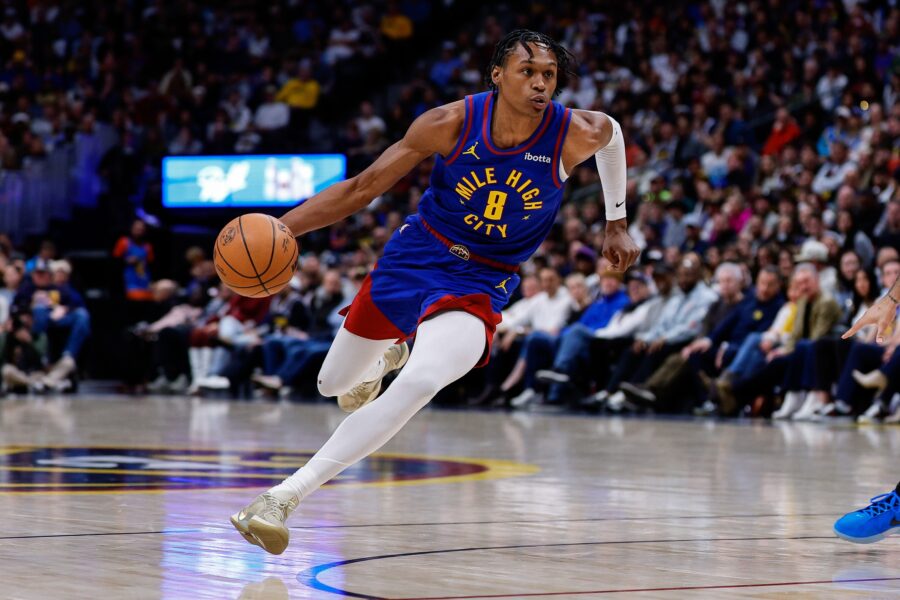
The Cavaliers just added another long, switchy wing to a roster that’s already trying to survive the East by turning every possession into a math problem. Peyton Watson is heading to Cleveland in a three-team deal, and the first thing that jumps off the page is obvious: this is not a neat little depth move. This is the Cavaliers leaning even harder into length, defensive flexibility and lineup options that can actually breathe in a playoff series.
Watson has always been a traits-first bet. The frame. The mobility. The ability to bother bigger scorers without getting buried by smaller ones. That profile matters in the modern NBA, where teams keep hunting weak links until they find one and sit on it like a shark. Cleveland has been trying to build a roster that can switch, survive and punish. Watson fits that blueprint better than most available wings do in July.
Cleveland keeps shopping for playoff-proof wings
This is the part front offices never say out loud, but they absolutely live by it: if you can’t stack enough wings, you’re always one bad matchup away from getting exposed. The Cavaliers have spent the last few seasons collecting enough high-end talent to matter, but the postseason keeps asking the same annoying question. Who guards the big wing scorer? Who survives the physical series? Who can stay on the floor when the game gets tight and every target is picked over?
Watson is part answer, part projection.
He is not being brought in to run the offense. Nobody is confusing him with a central creator. This is about giving Cleveland another defender who can absorb different assignments without forcing the coaching staff to rearrange the whole deck. It also keeps the Cavaliers from overpaying for a single skill set at a deadline or on the buyout market later. Teams with title ambitions have learned the hard way that “we’ll figure out the wing depth later” is how you end up scrambling in May.
The Denver Nuggets are making the kind of trade contenders make when they decide a roster spot can be repurposed. The Los Angeles Clippers angle matters too, because they’re always in the middle of some version of a roster shuffle, and those clubs tend to think in pieces, not personalities. Cleveland is the one grabbing the cleanest long-term fit.
What this says about the Cavaliers’ identity
The Cavaliers have been telegraphing this for a while. They are not trying to win track meets. They’re trying to build a team that can shrink the court for opponents. That means size, activity and enough perimeter resistance to keep their stars from spending every trip down the floor cleaning up messes.
Watson gives them more of that. And because he is still young enough to carry developmental upside, this is the rare move that helps now and could still make sense two years from now. That matters in a cap system that punishes impatience. Cleveland does not have the luxury of collecting redundant, one-dimensional pieces. Every addition has to solve multiple problems or it just becomes another contract sitting in the way.
There’s also the roster hierarchy angle. When you add a player like Watson, you don’t just change the bench. You change the pressure on the rest of the wing group. Minutes get tighter. Matchup roles get more specific. Coaches start asking harder questions about who closes, who rebounds up a position, who can guard without fouling. That’s where the value is hidden.
The Cavs are not just adding a player. They’re buying themselves another playoff answer.
The deal ripple: Denver, the Clippers and asset management season
This is where the league’s real currency shows up. Restricted free agents with appealing physical tools are never just about the player. They’re about what the rest of the trade tree can be pruned into. Denver is not operating in a vacuum. The Nuggets keep weighing how much optionality they need around their core, and every outgoing piece creates another decision somewhere else. The Clippers are doing what the Clippers always do: moving parts, managing future flexibility and making sure one transaction leads to another.
For Cleveland, the important thing is that this type of deal usually says more about organizational confidence than box-score production. Teams do not give up leverage for a player like Watson unless they believe the fit is real. You can fake shooting. You can’t fake length. You can’t fake defensive coverage instincts forever. The league has spent years paying premiums for anyone who can credibly defend multiple spots without becoming an offensive dead end.
That is why this move lands.
It also connects to the broader market. We’ve seen this same roster logic pop up across the league, where teams are chasing bodies that can hold up in the postseason instead of chasing headline names. Cleveland’s front office is clearly willing to keep pushing chips toward that identity. If you want a cleaner read on how these front offices think, look at the smaller moves around the league: how clubs use picks, how they reshuffle depth, how they keep protecting the perimeter. It’s all one long search for a lineup that doesn’t break under pressure.
Why Peyton Watson makes sense now
Watson is not arriving as a finished product. That’s the point. Cleveland doesn’t need him to be a star in week one. It needs him to be useful in the exact ugly places where games get decided: late rotations, switch-heavy lineups, defensive possessions where size and reach matter more than shot volume.
If he hits, the Cavaliers have found a valuable piece at a premium position without overcommitting to a one-way specialist. If he doesn’t fully hit, they still added another body who fits the physical shape of what they’re trying to do. That’s a lot better than banking on a skill-only wing who gets hunted once the playoffs get serious.
And from the Nuggets’ side, this is the kind of transaction that tells you where a contender is in its cycle. Winning teams keep making these decisions because they know the margins are tiny. One roster spot can be the difference between surviving a second-round series and getting dragged into the mud.
I like the Cleveland angle here. I really do. The Cavaliers have been too good to settle for “interesting.” They need functional, ugly, playoff-grade basketball players around their core, and Watson is exactly that sort of bet. Not sexy. Very useful. Those are usually the deals that age well.
Watch the fit, not just the name. Cleveland is telling you what kind of basketball it wants to play next, and this move fits the tone.
More from Straight From The Bench
Comments
Join the conversation — sign in to leave a comment.
Sign in to commentRelated Stories
Daniel Faalele Trade: Giants Send Guard to Jaguars
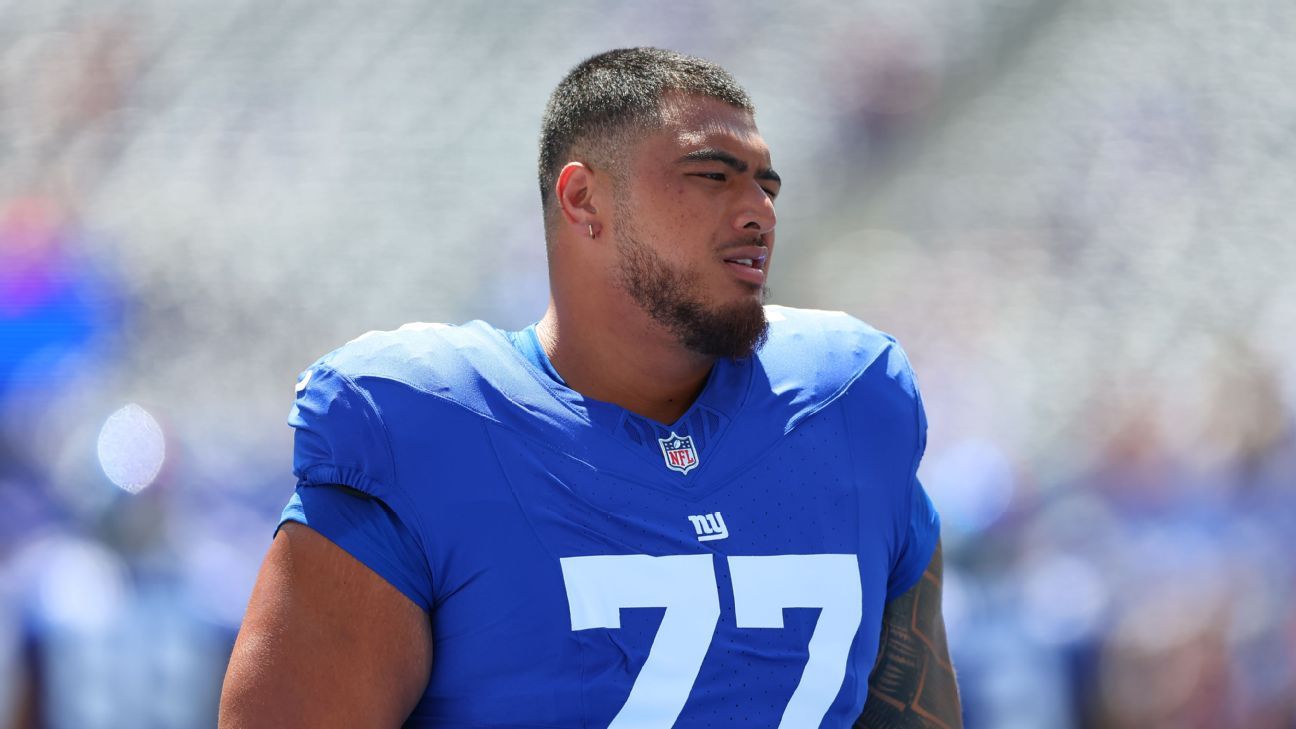
The Giants are moving Daniel Faalele to Jacksonville for a late 2027 pick. It’s a depth trade with a larger clue hiding underneath.

Lakers Ownership Drama: Buss Children Squabble Over Team Stake
The Buss heirs are reportedly wrangling over the last big piece of the family fortune: the Lakers stake. Around here, that’s not just estate drama — that’s basketball power, pride, and a whole lot of
Lakers Ownership Dispute: Jeanie Buss Fights Family Sale
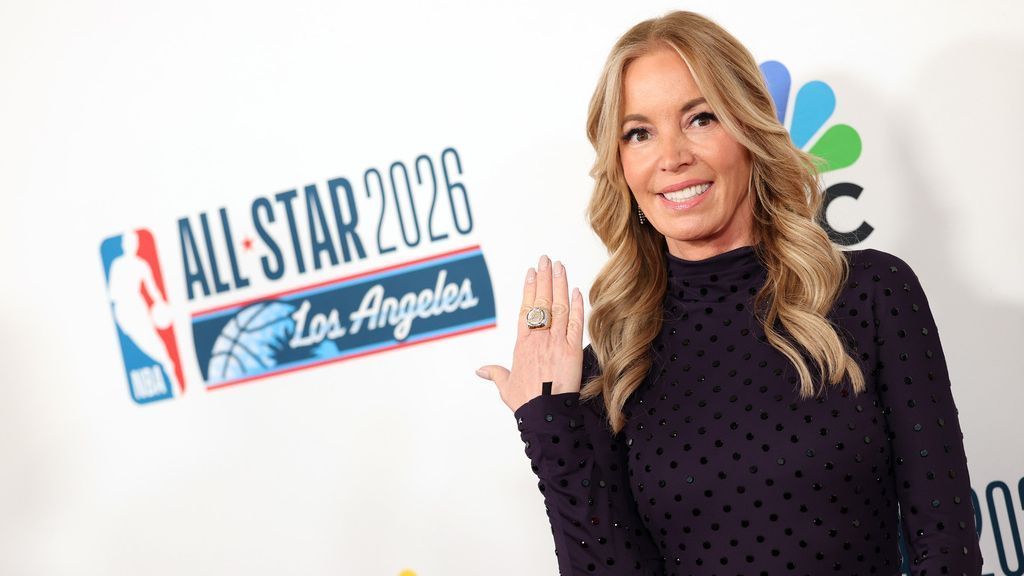
The Buss family’s stake sale puts Jeanie Buss on the wrong side of her own legacy. For the Lakers, this is about power, pride, and who really owns the gold and purple.