
Phil Mickelson Treatment Update: family trauma and addiction
The silence around Lefty wasn’t random. It was a warning sign.
 Zane Miller5 min read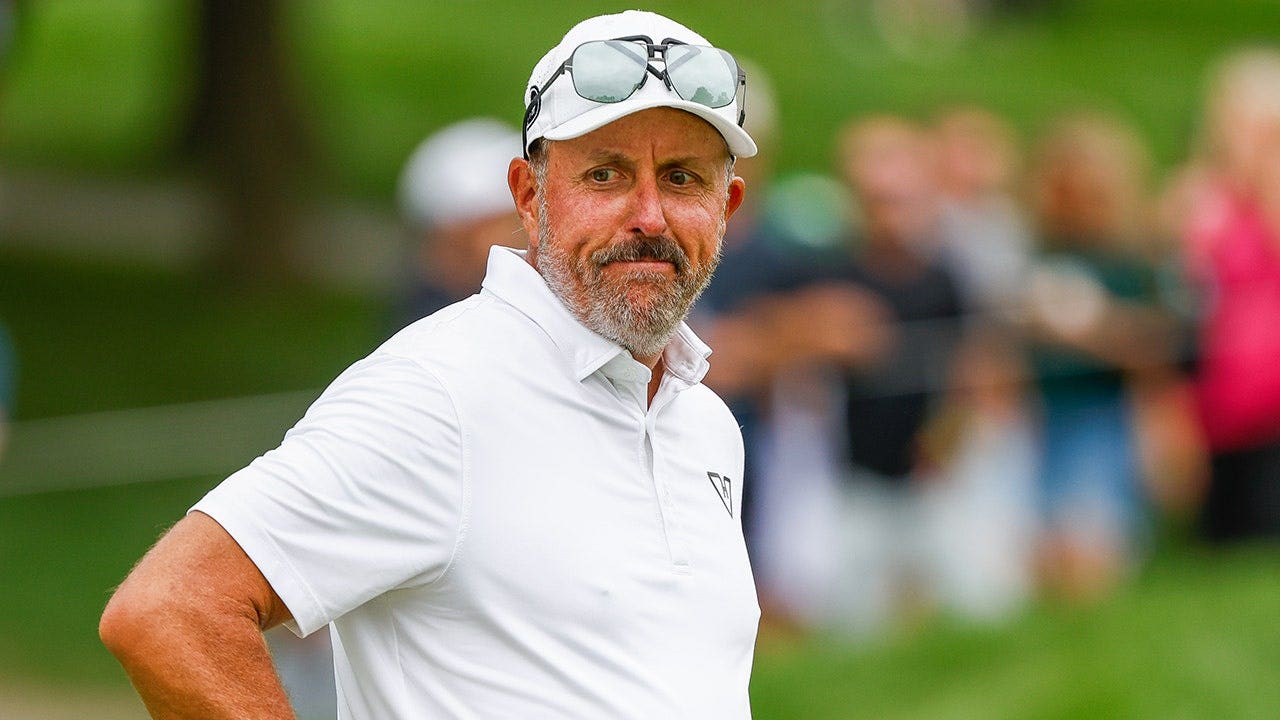
Phil Mickelson’s recent move into treatment says a lot more about this moment than any missed start ever could. The golf ledger matters — majors, LIV appearances, the whole legacy stack — but this is the rare story where the scorecard gets shoved to the side. According to the report, Mickelson sought treatment for family trauma and addiction, and that reframes his long stretch away from the spotlight in a way the gallery couldn’t see from the ropes.
The timing is its own message. Mickelson has been absent from LIV Golf events and major-tournament chatter for months, and whenever a player of his stature goes quiet, the market starts filling in blanks. In golf, silence is usually read one of three ways: injury, disinterest, or something more serious. This appears to be the third lane. And once it gets there, the conversation stops being about power rankings and starts being about the person.
The business side of an absence that never felt random
Mickelson is not just another veteran drifting toward the finish line. He is a six-time major champion, a Hall of Fame name, and one of the most recognizable figures the sport has ever produced. He also sits inside a very specific LIV ecosystem, where appearance, visibility, and star power are part of the product. When a player like this disappears, it doesn’t just thin out a tee sheet. It changes the broadcast, the sponsorship pitch, and the competitive feel of the entire operation.
That’s why this mattered even before there was clarity. People around the game knew something was off. The missed events, the reduced visibility, the general fog around his schedule — it never looked like a standard veteran’s taper. Golf is built on routine, and when someone with Mickelson’s profile breaks routine, the ripple reaches far beyond his own locker.
The PGA Tour has spent years selling stability, legacy, and weekly relevance. LIV has countered with names, noise, and event-style urgency. Mickelson has been one of the few players whose presence could still move both conversations. If he’s stepping back for treatment, neither side gets to use him as a branding prop for a while.
Why this is bigger than the leaderboard
Family trauma and addiction are not PR phrases. They are real, ugly, lived things, and they flatten the usual sports-language nonsense fast. Golf has always had an odd relationship with that reality. It’s a lonely sport, a rich-guy sport, a pressure-cooker sport — but it often hides behind the cleanest possible presentation. Press conference. Range session. Round number. Repeat.
This story rips that curtain open.
It also lands in a sport that has already watched plenty of stars navigate serious off-course battles in private. The difference here is the scale of the name. Mickelson isn’t a fringe tour pro trying to save a card. He’s one of the defining figures of the modern era, a player whose every move gets magnified because he built a career on being magnetic, combustible, and almost impossible to ignore.
The golf part matters less right now than the human part, and that’s the correct order for once.
There’s also a larger lesson for the sport’s media ecosystem. Golf coverage loves a clean narrative: comeback, slump, redemption, rivalry. Real life doesn’t cooperate. Sometimes the only responsible read is to step back, stop projecting timelines, and let the person deal with what he’s dealing with. The leaderboard can wait. That’s not softness. That’s adulthood.
What this means for LIV Golf and the stars around him
For LIV, this creates a strange kind of void. Mickelson has never been just a competitor in that league; he’s been a face, a draw, and a signal to fans who needed a familiar anchor when the product was still finding its identity. If he’s unavailable, the league has to sell more on the field and less on nostalgia. That’s not impossible, but it is harder.
For the players around him, the message is simpler: schedules can change, pressure can compound, and the public only sees the polished version. Guys like Brooks Koepka, Bryson DeChambeau, and the rest of the LIV headliners live in a spotlight that gets brighter when one of the biggest names steps away. Someone else has to soak up the oxygen now.
I’ve covered enough athlete absences to know the worst mistake is to reduce them to rumors or performance theories. This one is especially easy to misread because Mickelson has always carried that ultra-confident, almost defiant public image. That can fool people. The same edge that makes a player look invincible can also make it harder to spot when he’s not. My read: the golf world should treat this as a health story first and a sports story second, and not pretend those two things can be separated cleanly.
The parallel that comes to mind isn’t another golfer’s slump. It’s every veteran star who got old in public and had to figure out how to survive the attention while the game kept asking for more. Some fade. Some reinvent. Some need to step away before they can do either.
The next chapter is about support, not schedule
The immediate questions are obvious, but they’re not the right ones to lead with. Will he return? When? To which events? Those answers can wait until there’s something real to say. Right now the only meaningful update is that he recognized a need and sought treatment. In sports, that is still too rare.
The golf calendar will keep moving. The Masters will come around, LIV will keep staging its events, and the cycle of form, injury, and speculation will grind on. But Mickelson’s story has shifted into a different category entirely. It’s not about whether he can still go low on a Sunday. It’s about whether he’s taking care of the things that matter before anything else.
That’s the part worth watching now. Not the tee time. The recovery.
More from Straight From The Bench
Comments
Join the conversation — sign in to leave a comment.
Sign in to commentRelated Stories
Phillies vs Braves: Schwarber, Harper, Bohm force Game 3
Kyle Schwarber and Bryce Harper turned the scoreboard in a blink, then Alec Bohm finished the job in extras. The Phillies are still alive and now the pressure flips to Game 3.
J.J. McCarthy Trade Talk: Jim Harbaugh’s backing was no surprise
Jim Harbaugh’s praise of J.J. McCarthy before the draft fits the file on both men. This was always more than a family chat; it was quarterback conviction.
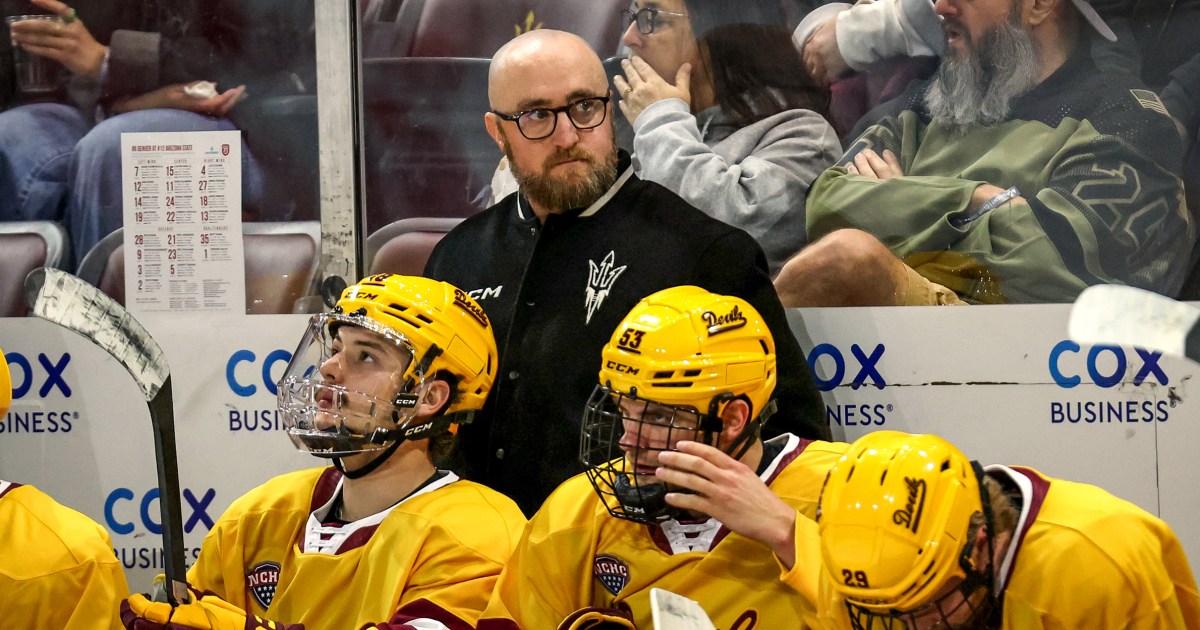
ASU Hockey Coach Leave: Matthew Mayich collapse raises hard questions
Arizona State has put Greg Powers on leave after Matthew Mayich collapsed in an August workout and suffered extreme heatstroke. The human stakes now dwarf the hockey season.