Phillies Brad Keller Injury Update: UCL Tear Hits Bullpen
The elbow gods took their usual cheap shot, and Philly’s relief depth just got thinner.
 Leo Lupo6 min read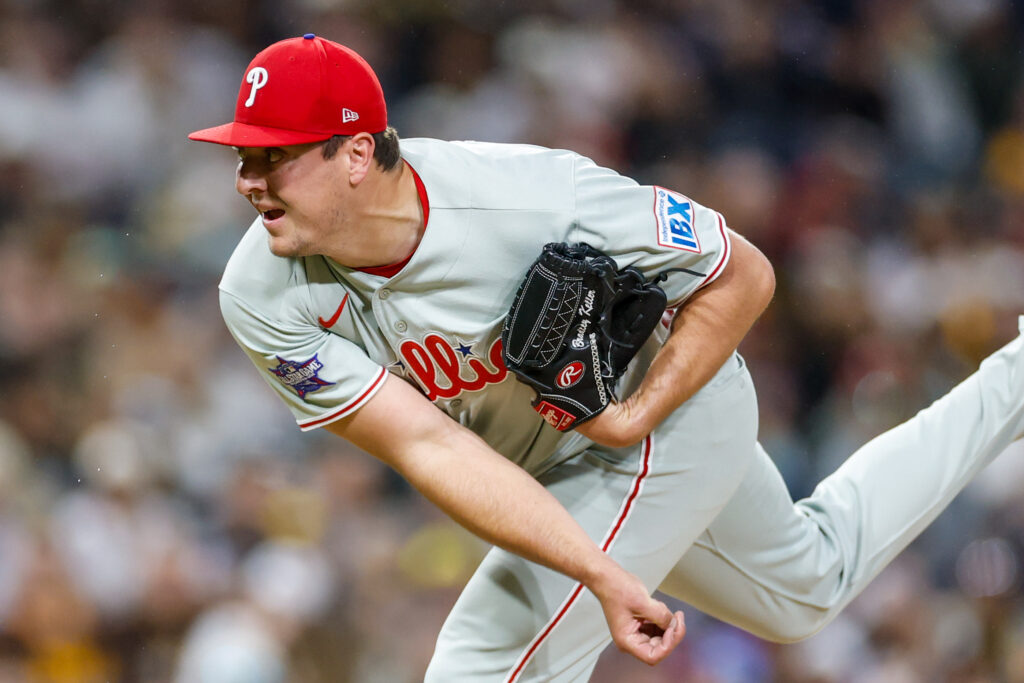
A familiar summer punch in the elbow
The Phillies didn’t need another body on the trainer’s table, but here we are. Brad Keller is headed to the injured list with a tear in the ulnar collateral ligament in his right elbow, and that’s the kind of diagnosis that never comes with a smile attached. In baseball language, it’s a siren. In plain language, it’s trouble.
Keller’s loss stings because this isn’t some spare-part starter nobody was counting on. Philadelphia brought him in to eat innings and give the bullpen a steady arm, the sort of move that looks ordinary in April and downright clever by July. Now that arm is out, and the Phillies are left doing the math every club does when the medical report lands: who covers the outs, who handles the right-handed pockets, and who’s next up when the seventh inning starts looking like a dentist appointment.
Why a UCL tear changes the whole conversation
A UCL tear is not a day-to-day nuisance. It’s not a stiff back or a sore shoulder that can be managed with a little tape and a little faith. It’s the elbow whispering that the ligament has had enough. Sometimes that ends in surgery. Sometimes the club tries to limp through the calendar. Either way, the pitcher is no longer just missing a week or two. He’s a question mark with a grim little asterisk.
For the Phillies, the timing matters almost as much as the injury itself. July is where contenders start paying for every shaky depth decision they made back in March. Bullpens don’t age gracefully. They crack. They fray. One reliever gets hot, one more goes stale, and suddenly the manager is matching up with all the confidence of a guy throwing darts in the dark.
Keller was part of the bridge between the starters and the late innings, and those bridges always look sturdier when the season is young. By midsummer, the traffic is heavier, the pressure is louder, and a missing arm means somebody else gets overworked. That’s how a “minor” bullpen injury turns into three new problems.
What this does to Philadelphia’s relief map
The Phillies have been down this road before. Every contender thinks its bullpen can absorb one more loss. Then two more happen, and the leverage innings start chewing through everybody. This is why depth matters and why it’s so hard to keep it intact. You can’t just order another reliable reliever from a catalog.
Philadelphia’s immediate challenge is simple enough to say and annoying enough to solve: keep the late innings from turning into a nightly coin flip. The club can shuffle roles, lean harder on the healthier arms, and call on MLB roster churn to fill the gap. But the replacement plan is usually less “next man up” and more “next man available.” There’s a difference, and anybody who’s watched enough July baseball knows it.
This also puts more pressure on the rotation to go deeper. If the starters are giving you five and a handshake, the bullpen gets bullied. If they’re carrying games into the seventh, the damage is manageable. Keller’s absence doesn’t just weaken one lane. It changes the workload of the whole road.
A bullpen injury doesn’t stay in the bullpen. It leaks into every inning after the fifth.
The bigger Phillies problem: depth is never as deep as it looks
I’ve covered enough seasons to know this: clubs talk about depth the way politicians talk about roads. Everybody has some until winter comes. Then the potholes show up.
That’s why this Keller news lands harder than a simple transaction note. The Phillies are not a bad team trying to survive. They’re a club with October expectations, and contenders live a lot closer to the edge than fans like to admit. One injury can be absorbed. Two can be patched. Three and the whole thing starts to look like a house built on fresh paint.
This is where the front office earns its pay. Not with grand speeches. With practical decisions. Do they ride the current group and hope the innings distribute themselves fairly? Do they dig for a stopgap? Do they lean on the trade market and accept that pitching prices only go up when every team can smell a pennant race? That’s the real story here, not the IL designation on its own.
If you want the broader baseball angle, this is part of the same old summer song that never gets less annoying. Pitchers get hurt. Teams pretend they’re surprised. Then everybody starts searching for a fresh arm with good spin and a prayer. We’ve seen enough of that, and it’s why I never buy the “we’re set” talk around relief pitching. Nobody is set. Not really. Not in Major League Baseball.
Leo’s take: this is where contenders get tested
I’ll tell you what this looks like from the cheap seats: the Phillies are being reminded that pitching depth is a fragile thing and that every team is one bad MRI away from improvisation. Keller wasn’t the ace, wasn’t the marquee name, and maybe that’s exactly why the injury matters. The losses that hurt most in July are the ones to the useful guys, the guys doing the unglamorous work that keeps the whole machine from rattling apart.
I’ve watched enough clubs chase October to know the pattern. The flashy lineup gets the headlines. The bullpen gets the blame. Then the season turns on the seventh reliever you couldn’t name in May. That’s baseball. Ugly, practical baseball. The Phillies can still survive this, sure, but survival isn’t the same as comfort, and comfort is what a contender likes to carry into the dog days.
What to watch next in Philadelphia
Keep an eye on how the Phillies distribute Keller’s innings, because that tells you plenty about how confident they are in the current group. If they start shortening games earlier, you’ll know the staff doesn’t trust the middle enough. If the club reaches for outside help, you’ll know this injury has already changed the front office’s temperature.
And watch the workload on everybody else in the pen. That’s the sneaky part. One injury becomes two when the survivors start pitching on fumes. Baseball always calls this depth. Around here, we call it damage control.
Philadelphia’s margin just got thinner. The season doesn’t stop for that. It just gets meaner.
More from Straight From The Bench
Comments
Join the conversation — sign in to leave a comment.
Sign in to commentRelated Stories

Tour de France Stage 12 Crash: Collarbone Breaks and Concussion Checks
A late crash in stage 12 sent the Tour into damage-control mode, with collarbone fractures confirmed and concussion checks underway. The sprint stage now has a real aftermath.
Athletics Deadline Notes: Lopez, Guerra, and the Cold Streak
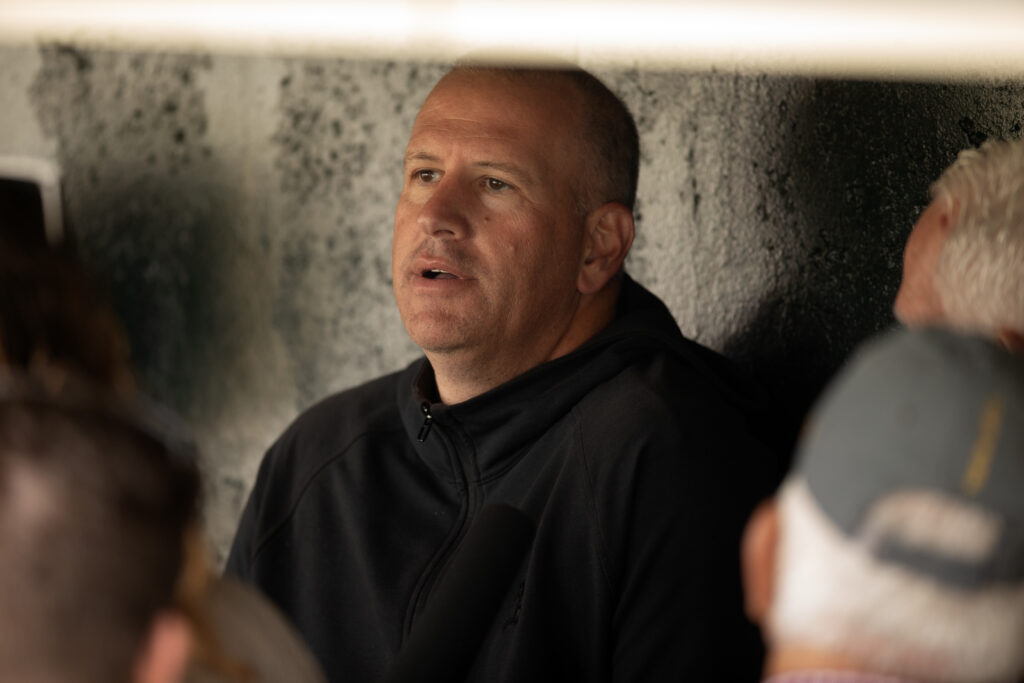
David Forst’s latest update doesn’t hide the obvious: the Athletics have hit a rough patch at the worst possible time. That changes the deadline math fast.
Phillies vs Mets Game Moved Up: Air Quality Concerns Hit Citizens Bank
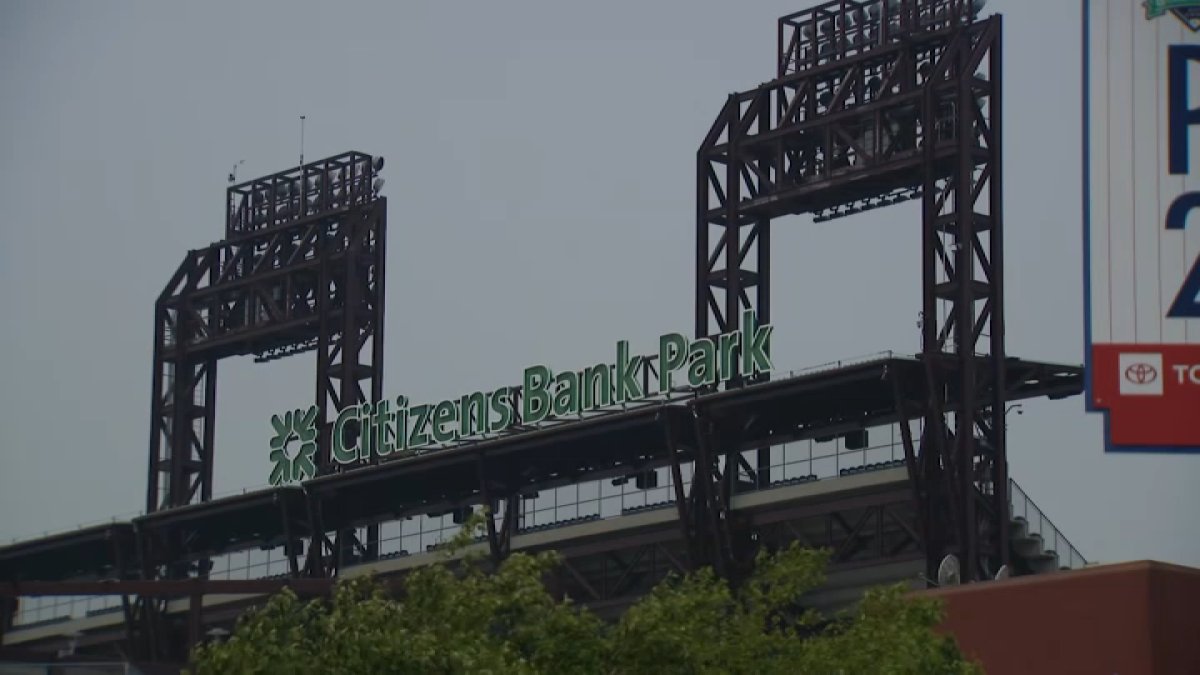
Thursday’s Phillies-Mets matchup at Citizens Bank Park is moving up an hour as air quality concerns reshape the night. This is baseball adapting in real time.