
Phillies vs Mets Game Moved Up: Air Quality Concerns Hit Citizens Bank
A smoky delay of logic, not just a schedule tweak.
 Zane Miller5 min read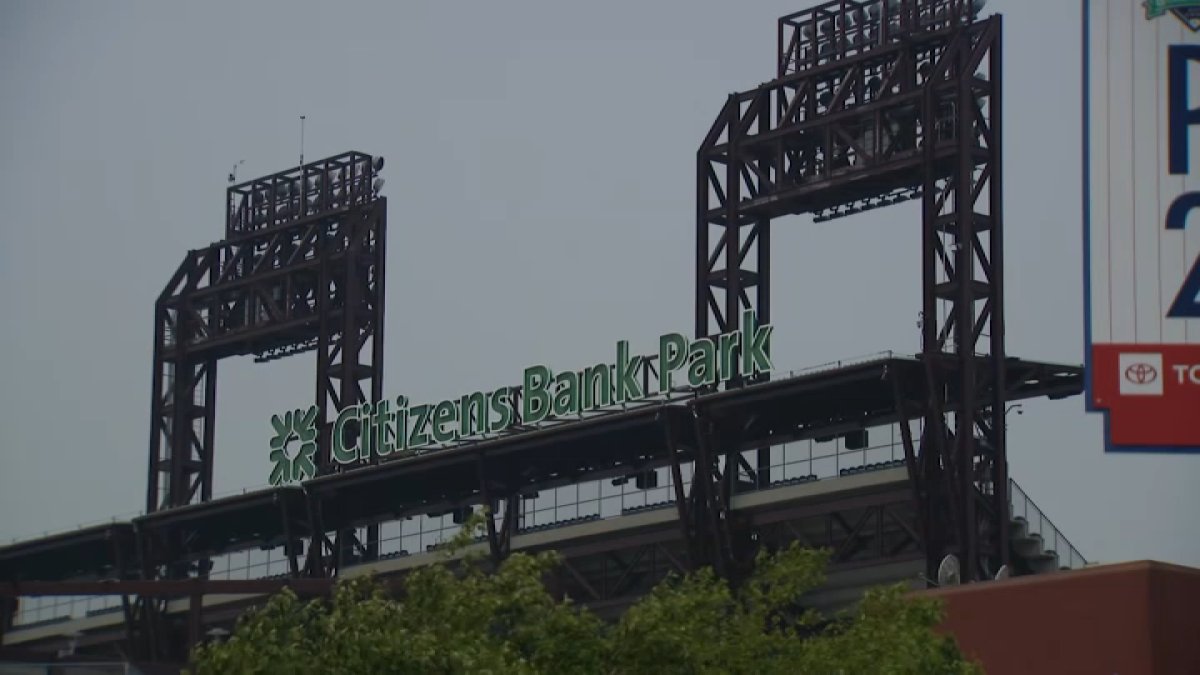
The Phillies and Mets are getting an early start Thursday, and that tells you everything about how weird this week has been around the Northeast. First pitch at Citizens Bank Park has been pushed up to 6:10 p.m. ET because the air quality is still a real concern. In plain English: the league and the clubs decided the safest move was to get the game in sooner rather than wait around and hope the atmosphere improves on its own.
That’s not a minor scheduling footnote. That’s baseball acknowledging what everybody outside the park already knows — conditions matter, and sometimes the game has to bend to them. The Phillies and New York Mets are in the middle of a divisional race where every inning carries weight, but nobody in that dugout is interested in turning a night game into a health story.
A schedule tweak that says a lot
An hour may not sound like much. In MLB terms, though, it can be the difference between playing under tolerable conditions and letting the evening drift into the kind of haze that makes everyone uneasy. Teams do not love moving first pitch unless they have to. TV windows get squeezed. Pregame routines get nudged. Fans scramble a little. But executives are reading the same weather and environment data everybody else is, and they do not want this becoming a decision made in the seventh inning.
Citizens Bank Park is built for big nights, not for guessing games about whether the air is clean enough to keep 40,000 people outside for three hours. The league has been far more aggressive in recent years about weather-related adjustments, and for good reason. Player safety is the headline, but there’s also the business reality: postponements and ugly optics can snowball fast.
This is also where the modern MLB calendar gets exposed. There isn’t much slack. Division games are packed tightly. Make-up dates are messy. So when a club can preserve the result by shifting first pitch instead of blowing the whole night up, that’s usually the preferred move. The MLB has learned — slowly, and often after a public mess — that preserving the product means respecting the conditions around it.
Baseball can live with a bad weather call. It can’t afford to pretend bad air is just another part of the game.
Why this matters more for the Phillies and Mets than it looks
For Philadelphia, this is one of those small operational calls that can still ripple through the home stretch of a season. Early start. Different bat handling. Different bullpen timing. Different fan arrival patterns. Managers notice all of it. So do players, even if they act like they don’t. When you move a game up, you change warmup flow and compress the margin for error on rest and recovery.
The Mets are not just showing up for a random getaway-night inconvenience either. Games like this carry the usual National League East tension. Every head-to-head gets magnified because the division has a habit of punishing the team that blinks first. That’s why this kind of adjustment matters. It’s not the same as a rain delay where everybody sits and waits. This is the league trying to get ahead of a broader environmental issue before it becomes the story.
And let’s be honest: players know the difference between a standard weather inconvenience and air that feels off. This isn’t just about whether the umpire can see the strike zone or whether the tarp comes off in time. It’s about lungs, eyes, endurance, and whether a night game should still be a night game.
The larger trend baseball keeps running into
We’ve already seen the sport wrestle with stadium conditions and public-health concerns in other contexts, and it’s never just one isolated adjustment. It’s part of a bigger shift in how leagues manage risk. MLB doesn’t get to act like the calendar is untouchable anymore. Weather, smoke, heat, and air quality are all part of the operations conversation now, and front offices have to plan for the kinds of disruptions that used to feel rare.
That broader reality is why these decisions don’t happen in a vacuum. Clubs are constantly balancing player welfare, broadcast commitments, ticket holders, and competitive fairness. It’s the same league that has spent years perfecting bullpen usage and service-time arithmetic, and now it has to do environmental math too.
I’ve said this before, and nights like this only reinforce it: baseball’s smartest people are no longer just optimizing rosters. They’re optimizing timing, travel, and conditions. The old-school impulse is to shrug and play. The smarter move is to adapt before the game becomes secondary to the air around it.
That’s the part worth watching beyond Thursday. If the conditions worsen, or if this becomes a recurring pattern, you’re going to see more aggressive scheduling decisions across the sport. Not because the league suddenly got soft. Because the cost of waiting keeps rising.
What to watch once first pitch comes
The obvious check is whether the air stays manageable through game time. But the baseball layer matters too. Early starts can subtly tilt things toward the team that adjusts fastest, especially with lineup timing and bullpen prep. If you’re the Phillies, you want a clean, businesslike night and no distractions. If you’re the Mets, you want to turn a strange setup into a road win and steal every ounce of leverage you can get.
For fans, this is where the rhythm of the night changes. Doors open earlier. Parking lot routines shift. Pregame consumption gets moved around. It’s one of those little scheduling nudges that feels trivial until you’re the person trying to get into the ballpark on time.
The bigger takeaway is simple. Baseball is still a human sport in a very non-human environment, and sometimes the environment wins the first inning before the first pitch is even thrown. Thursday just became one of those nights.
Keep an eye on the air, the lineup cards, and how quickly the clubs settle into the new clock. In a tight division race, even an hour can matter more than it should.
More from Straight From The Bench
Comments
Join the conversation — sign in to leave a comment.
Sign in to commentRelated Stories
Athletics Deadline Notes: Lopez, Guerra, and the Cold Streak
David Forst’s latest update doesn’t hide the obvious: the Athletics have hit a rough patch at the worst possible time. That changes the deadline math fast.
Phillies Brad Keller Injury Update: UCL Tear Hits Bullpen
Brad Keller’s UCL tear is a nasty break for the Phillies and another reminder that bullpen help can disappear fast. Now the club has to patch the late innings with whatever’s left in the drawer.
Reds Chase Burns Contract Extension: Cincinnati Locks In Ace
Cincinnati’s bet on Chase Burns is loud, expensive, and exactly the kind of move small-market teams dream about hitting. The timing tells you everything.