
Red Bull Isack Hadjar Extension: Verstappen Gets a New Wingman
The long view from Milton Keynes says Hadjar isn’t here to warm a seat.
 Zane Miller5 min read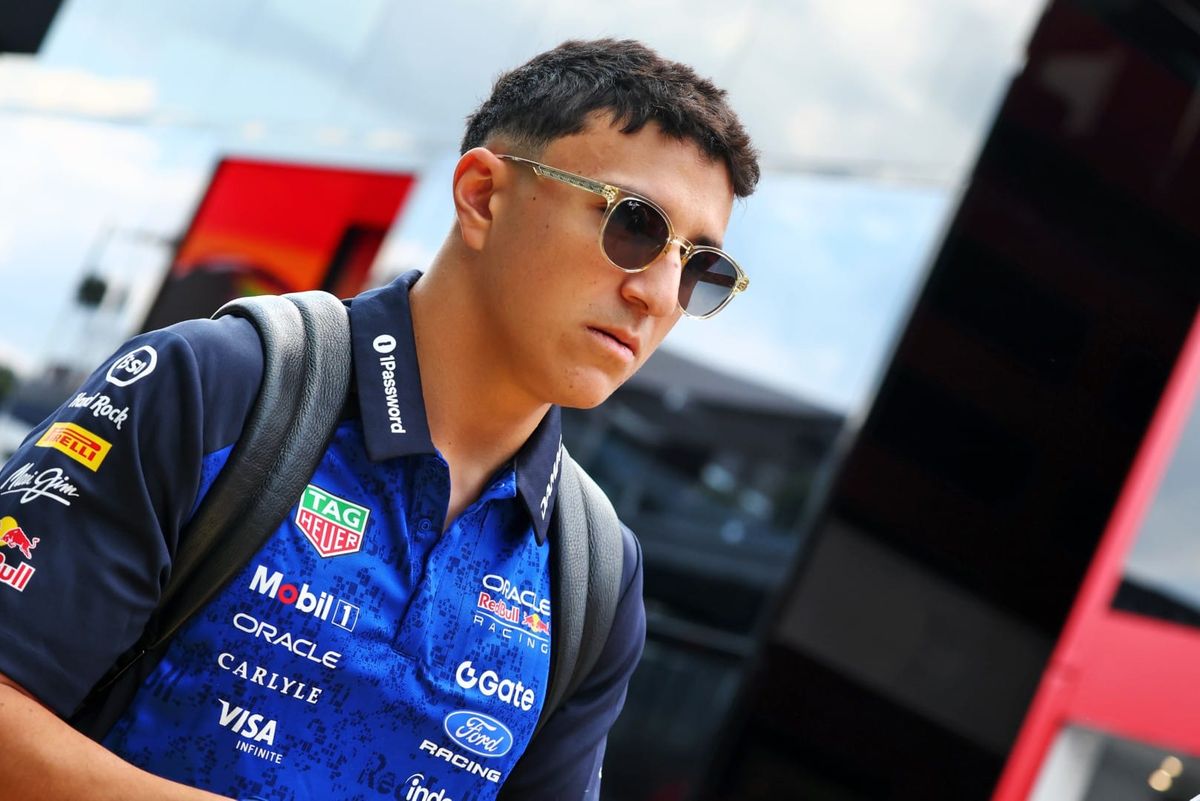
Red Bull just took the guesswork out of its 2027 plans. Isack Hadjar is staying in the main team alongside Max Verstappen, and that’s not a placeholder move. That’s a statement about where Red Bull thinks the next version of its F1 program lives: younger, faster to mold, and less interested in endless churn.
Hadjar’s return from injury at the Azerbaijan Grand Prix came with the kind of timing teams love when they’re trying to settle a lineup. No hanging around. No vague “we’ll see” language. Just a clear line in the sand from a team that has spent too much recent time dealing with driver-market noise and too little time pretending it enjoys it.
Red Bull chose certainty over more driver-market theater
This is the part executives always talk around and fans usually miss: stability has value even when the second seat isn’t the easiest chair in the building. Red Bull has lived through enough internal driver shuffling to know the cost. Every change resets engineering feedback, race-weekend rhythm, and the delicate politics around who gets what priority in development.
Hadjar getting the call this early suggests Red Bull likes more than his headline pace. It says the team believes he can absorb the Verstappen effect without getting swallowed by it. That matters. Plenty of drivers can look sharp in flashes. Far fewer can handle the pressure of sharing a garage with the benchmark of the era and still give the team usable direction.
There’s also a roster logic here. When a top team commits this far out, it usually means they’re trying to take uncertainty off the board before silly season starts spinning the market. That helps the whole organization — and it sends a message to every reserve, junior, and rival team watching for cracks.
What Hadjar’s extension says about Red Bull’s pipeline
Red Bull has always treated the driver pipeline like a live asset, not a museum piece. The academy is supposed to produce racers who can be promoted quickly, evaluated brutally, and either stick or get recycled. That system works when it’s ruthless. It gets messy when the senior team keeps spinning through options without building continuity.
Hadjar staying in the main seat for 2027 means Red Bull is betting that the next phase of the team won’t be built around finding a new identity every 12 months. It wants a driver who can grow into the role while Verstappen remains the center of gravity. That’s a very different project from throwing a hot prospect into the cockpit and hoping for immediate fireworks.
If you follow Formula 1 long enough, you recognize the pattern. Teams that win consistently don’t just chase raw talent; they try to reduce friction. They want cleaner weekends, cleaner feedback, cleaner expectations. Red Bull extending Hadjar is a bet that less drama equals more lap time over a full season.
This is Red Bull saying the future is a plan, not a cleanup operation.
The Verstappen factor is still the whole board
Everything at Red Bull still runs through Verstappen. That’s reality, not a hot take. The Dutchman’s presence changes how the second seat is judged, how the car is developed, and how the front office thinks about risk. Anyone joining that setup is walking into a job with a very specific definition: be good enough to help, tough enough not to collapse.
For Hadjar, that’s the challenge and the opportunity rolled into one. If he can give Red Bull solid points, cleaner race execution, and enough pace to keep the team from leaning too hard on one driver, he can become more than the “other guy.” That’s how second-seat reputations get rewritten in this sport. Not by beating Verstappen every other weekend. By surviving the environment and making it better.
For Red Bull, the upside is obvious. If Hadjar develops the way they think he can, the team avoids another round of market panic. If not, they’ve at least given themselves time to evaluate him in the actual pressure cooker instead of making another rushed move.
Why this matters beyond Milton Keynes
The wider F1 grid is always watching Red Bull, because its decisions bend the market. A locked-in driver pairing narrows the pathways for everyone else. Seats dry up. Conversations get shorter. Midfield teams start asking which prospects are really available and which are already half-promised elsewhere.
That’s the real significance of this move. It’s not just about Hadjar. It’s about Red Bull declaring that the next stage of its identity is already in motion. The team is reducing uncertainty where it can, keeping the Verstappen axis intact, and giving itself a runway to build around a younger partner instead of endlessly auditioning one.
I like this move for Red Bull. Not because it guarantees anything — F1 punishes that kind of thinking fast — but because it looks like a grown-up decision. Too many teams fall in love with the idea of “maybe” drivers. Red Bull has gone with a driver it believes can become something real inside an already demanding structure. That’s how serious organizations behave when they’re not chasing the latest headline from the paddock.
And for Hadjar, this is the rare kind of promotion that comes with both trust and an enormous warning label. The seat is his. The work is just starting.
The next checkpoint is simple: pace, composure, and how quickly he turns opportunity into proof.
More from Straight From The Bench
Comments
Join the conversation — sign in to leave a comment.
Sign in to commentRelated Stories

Republic of Ireland v Israel: O'Shea Says Squad Will Talk After Kosovo
Dara O'Shea says the Republic of Ireland will wait until after Kosovo before sorting out the Israel fixture. Around this squad, delay is not the same as escape.
NFL Week 3 Picks: Browns Upset Panthers, Giants Rally Behind Winston
Pete Prisco’s Week 3 board leans into a few hard edges: Browns over Panthers, Giants with Jameis Winston, and Jacksonville keeping New England uncomfortable.
Chris Spatola dies at 47: Duke and college hoops lose a voice
Chris Spatola, the Duke-connected analyst and former Army player, has died at 47. The college hoops world just lost one of its steadier voices.