
Roger Craig 1,000-1,000 Season: The NFL Standard He Set
Before the copycats and fantasy talk, Craig made versatility look like hard labor.
 Leo Lupo5 min read
Roger Craig didn’t just break ground. He kicked the door in.
Back in 1985, Roger Craig put up 1,050 rushing yards and 1,016 receiving yards for the San Francisco 49ers, and the league had to sit there with its jaw on the floor. No running back had ever done that before. Not in the old leather-helmet imagination of the sport, not in the grind-it-out offenses that treated backs like mules with shoulder pads. Craig made the 1,000-yard rushing and 1,000-yard receiving season look less like a freak accident and more like a blueprint nobody had bothered to draw.
That matters. It still does. Because every time a modern offense asks a back to catch swings, flare outs, angle routes, screens, and all the little chores that keep drives alive, there’s Craig’s shadow in the background. The man was a weapon, not a role player. Bill Walsh didn’t want a halfback who disappeared on third down. He wanted somebody who could hurt you in space and between the tackles. Craig gave him both and then some.
The 1985 season changed what teams thought a back could be
The old-school NFL had a habit of putting players in boxes and bolting the lid shut. Run here. Catch there. Don’t get cute. Craig blew that theory up. In a league where defenders were still learning how to handle spread formations and motion, the 49ers had a back who could line up, release, and punish linebackers who thought they were getting a breather.
That 1985 season wasn’t just historic because of the numbers. It was historic because of the context. Running backs were supposed to wear down. They were supposed to take handoffs until their legs went soft and their hands stayed cold. Craig did the opposite. He stayed useful all season in two different ways, which is a fancy way of saying he was a nightmare to game-plan against.
The league has spent decades pretending this kind of versatility is “new.” It isn’t. It’s just that most teams were too stubborn, too rigid, or too lazy to build it properly. Craig was the proof.
Roger Craig didn’t become valuable because he fit the system. The system got smarter because it finally found somebody worth building around.
Why the 49ers were built for a player like Craig
The 49ers of that era were already a surgeon’s table of precision. Walsh’s offense prized timing, angles, and stress. Craig fit because he could do the dirty work and the elegant stuff. That’s the part people forget. He wasn’t just catching dump-offs to pad a stat sheet. He was part of the structure.
You had Joe Montana running the show, Jerry Rice coming soon to turn the whole thing into a weekly ambush, and Craig out of the backfield turning coverage rules into suggestions. Defenses had to choose what to hate most. Stack the box and he’d catch it. Play soft and he’d run through you. That’s how good offenses make good players look even better.
Craig’s season also showed why the league’s best teams always seem to find the same truth in different packaging: if you can make a defender hesitate for half a second, you’ve already won the snap. Craig lived in that half-second. He made linebackers turn their hips the wrong way and safeties arrive a beat late.
The standard he set still hangs over today’s backs
The modern NFL likes to crow about “matchup problems,” like it invented them between Sunday night commercials. The real trick is more basic. Find a back who can catch like a receiver and run like he means it. That’s the rarest kind of player in football, and Craig was the first to make the full-season version of that idea look legitimate.
You can trace a line from him to the dual-threat backs who came later, the guys who became central pieces instead of decorative ones. Not every back is built to take 300 carries and 80 catches. Most shouldn’t be. But the league never stopped chasing the player Craig represented: the back who forces defenses to account for him on every down, not just first-and-10.
And let’s be honest — a lot of teams still botch it. They draft a back, talk themselves into “multipurpose,” and then use him like a rotary phone in a smartphone era. Craig’s season remains a neat little rebuke to that nonsense. If you’ve got a rare tool, use it. If you don’t, stop pretending.
What this says about greatness, forty years later
I’ve been around this racket long enough to see every generation slap a fresh label on an old idea and sell it as innovation. Craig’s 1985 season wasn’t about novelty. It was about value. Real value. The kind that wins games because it bends defenses until they crack.
I remember the old backs who were praised for toughness because they never left the backfield. Nice enough, if you like your football with a side of predictability. Craig wasn’t built that way. He was a receiver in a runner’s body, or maybe a runner in a receiver’s mind. However you want to slice it, he was a problem. And the best players always are.
That’s why his season still lands with a thud. It wasn’t a cute stat line for the archive. It was a warning to every coordinator in the league: the game was changing, whether they liked it or not. The smart ones adjusted. The stubborn ones got run over.
If you want the short version, here it is: Roger Craig made the NFL catch up. Plenty of backs have chased that 1,000-and-1,000 line since. None of them got to be first.
The league keeps spinning forward, but that old 1985 marker is still standing. And every versatile back who lines up today is playing in its shadow.
More from Straight From The Bench
Comments
Join the conversation — sign in to leave a comment.
Sign in to commentRelated Stories
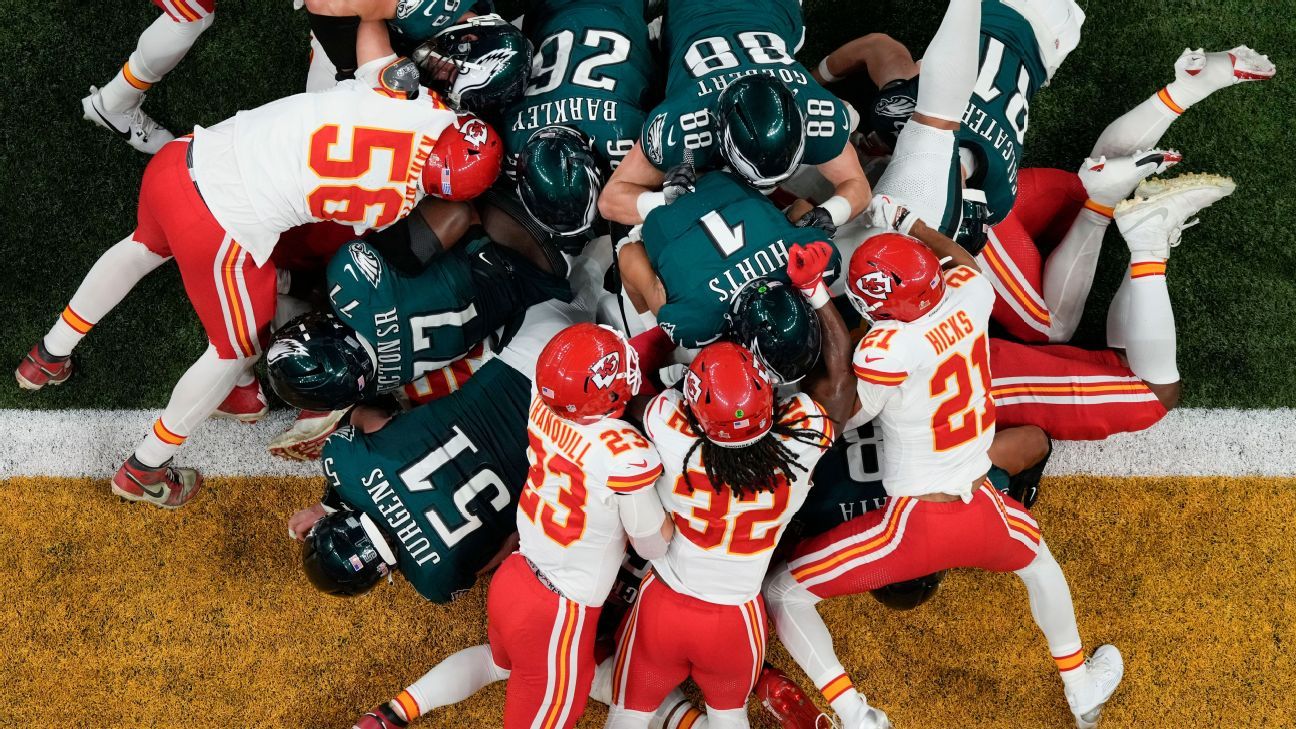
Eagles Tush Push: Sean Mannion Says Philly Will Lean In
The Eagles are not blinking on the tush push. Under new offensive coordinator Sean Mannion, the league’s most polarizing short-yardage play remains part of the plan.
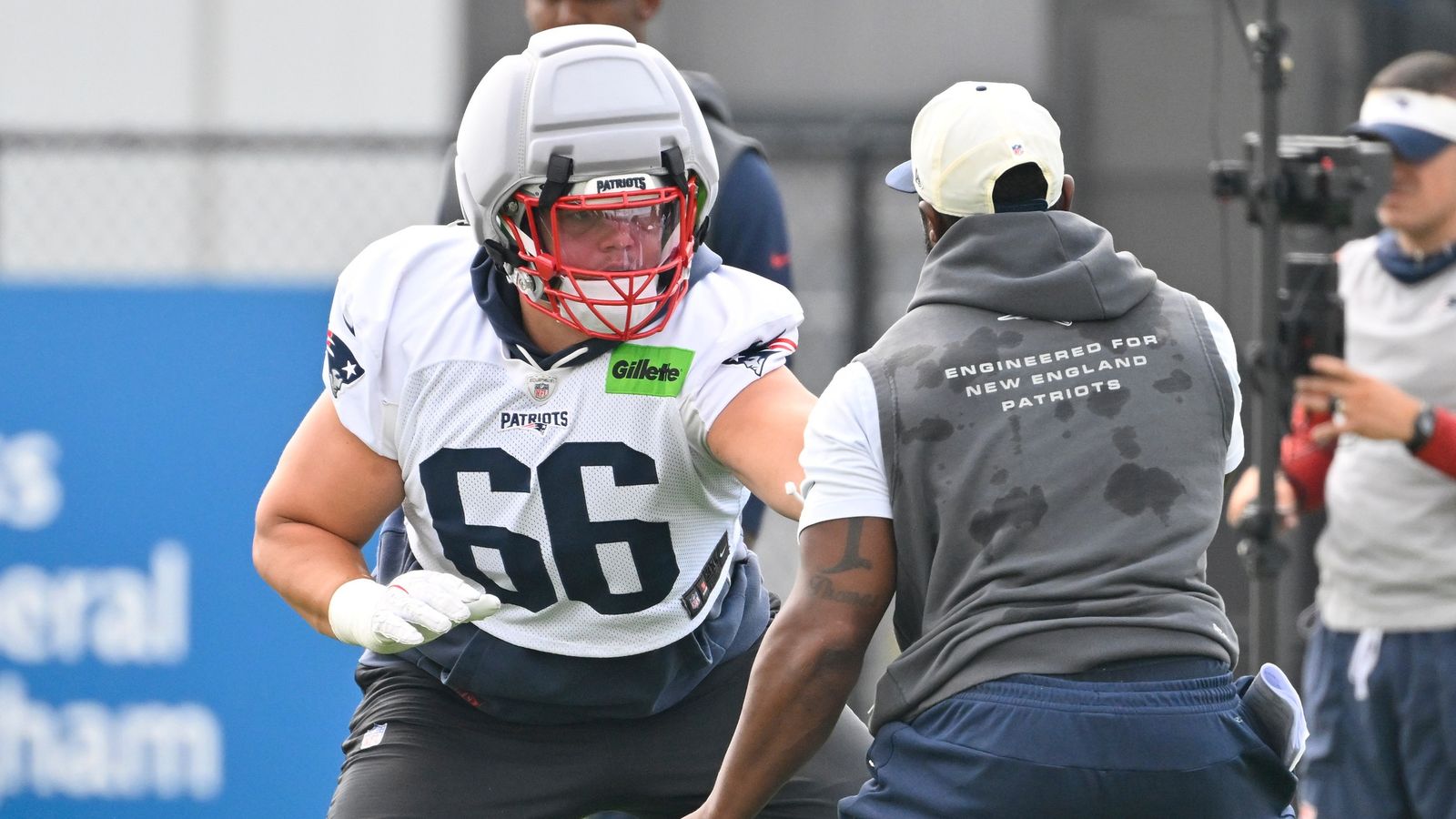
NFL Training Camp: Patriots Rookie First-Rounder Turns Heads
Two weeks into camp, the rookie first-rounder is flashing enough to matter. In Foxborough, that still means something.

Larry Fitzgerald Hall of Fame: Why He Refuses to Say 'Retired'
Larry Fitzgerald is headed to Canton, but he still won’t slap the “retired” label on himself. That’s pure Fitz — and pure football stubbornness.