
Ryan Clark ESPN Controversies: The Worst Takes That Sank Him
When your opinion gets louder than your judgment, the air gets thin fast.
 Leo Lupo5 min read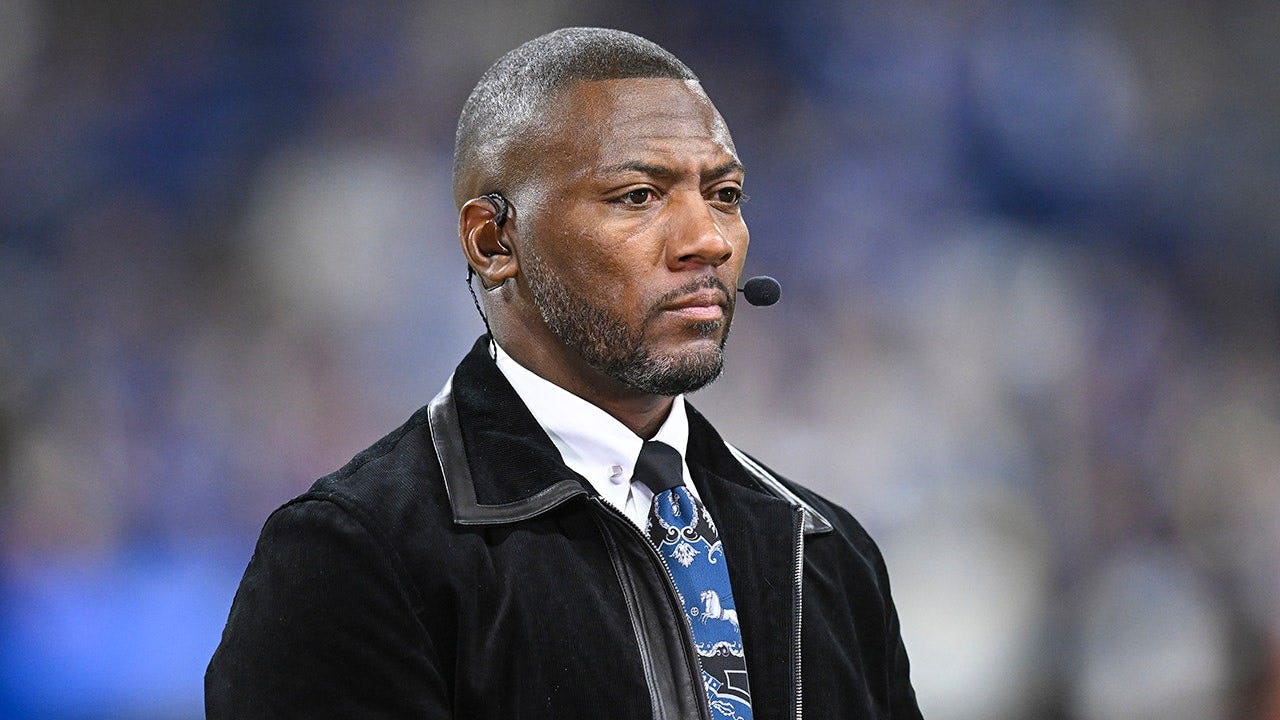
Ryan Clark spent enough time at ESPN proving that a former player can absolutely talk himself into trouble. Not because he lacked knowledge. The man knows football. He’s been in the rooms, on the field, under the lights, and through the kind of grind that gives a broadcaster real seasoning. The problem was the performance art. Too many hot takes. Too much certainty. Not enough discipline.
And once a guy starts treating every segment like a courtroom closing argument, the audience quits trusting the verdict.
The Shedeur Sanders mess was the loudest warning sign
The ugliest of Clark’s ESPN moments came when he waded into the Shedeur Sanders draft conversation with the kind of racial framing that turns a football discussion into a bonfire. There’s always room to debate a prospect’s arm, decision-making, poise, all the normal draft meat and potatoes. But once the conversation drifts into lazy identity politics and every critique gets treated like a code word, you’ve left sports and wandered into theater.
That sort of thing may play in some corners of the internet, where every clip is built for outrage and nobody has to clean up the glass. On a major network, it’s poison. Fans know the difference between a hard opinion and a rigged one. Clark kept acting like he was uncovering hidden truth when a lot of it sounded like noise with better tailoring.
If every take has to be a moral emergency, none of them are worth much.
Kyren Lacy showed how fast a bad read can turn reckless
Then came the Kyren Lacy situation, where Clark’s choice of words made the whole thing look worse than it needed to be. “Innocent” is a loaded word. In sports media, it’s the kind of word that should make your producer sit up straight and your editor reach for the mute button.
This is where broadcasters get themselves in trouble. They get so eager to sound brave, or compassionate, or contrarian, that they forget the simplest rule in the business: don’t outrun the facts. You can show empathy without crowning somebody a martyr. You can wait for the record to settle before acting like the record is settled.
That’s not cowardice. That’s adult supervision.
Clark kept stepping on rakes because he seemed to think passion was a substitute for restraint. It isn’t. It never was.
ESPN liked the fire, right up until it started burning the furniture
ESPN has always loved a personality who can draw a crowd. That’s not new. The network has been feeding on debate and drama since before half the current audience knew what a sports desk looked like. A sharp edge is useful. A former player with opinions can add real weight. Folks want someone who can explain what it feels like in the locker room and why the third-and-short call smelled funny from the jump.
But there’s a line between candor and chaos.
Clark kept leaning into the kind of commentary that makes clips travel faster than credibility. You get attention, sure. You also get the other thing: distrust. Once viewers start assuming the angle before the sentence is finished, you’re not informing anybody. You’re just auditioning for the next pile-on.
That’s the part some TV people never learn. They think a louder voice equals a stronger position. Usually it just means the garbage disposal’s running.
The real issue: credibility is harder to rebuild than a brand
Here’s the thing people in the studio suits hate to admit. A broadcaster can recover from one bad segment. Maybe even two. But a pattern is different. A pattern tells the audience who you are.
Clark built his name on being forceful, polished, and unafraid. Nothing wrong with that. The old guard of sports media had plenty of blowhards with no better qualifications than a nice tie and an appetite for shouting. Clark actually had football credibility. That made his misfires sting more. He wasn’t some carnival barker hired to yell on cue. He was supposed to be the informed one.
That’s why his ESPN exit, however it gets dressed up, feels less like a surprise than a bill coming due.
I’ve watched this racket for forty years, and the script never changes much. Networks chase heat, then act shocked when the room smells like smoke. The talent chases relevance, then wonders why nobody trusts them to tell the truth when it matters. Clark was a bad fit only if ESPN wanted restraint. If it wanted fireworks, he was perfect—right up until the ashes started piling up.
What this means for ESPN and the next guy in line
The network has a choice now, though it’s the same choice every media shop faces sooner or later. Does it want analysis or agitation? Because it’s rarely both for long. The louder the personality, the more careful the show has to be. If nobody is steering, the whole segment goes off the rails and the audience notices.
Clark’s departure also sends a message to every former player on TV: playing the game gets you in the door, but it doesn’t buy you immunity. You still have to know where the edge is and not keep running past it like a man trying to catch a bus.
There’s still room in sports media for sharp opinions, strong personalities, and people who aren’t afraid to say what they think. There always will be. But the smart ones know when to sharpen the point and when to put the knife down.
Clark never really mastered that part, and ESPN paid for the spectacle until it decided the act had worn thin.
Someone else will get the chair now. Let’s see whether they bring a clipboard, or a flamethrower.
More from Straight From The Bench
Comments
Join the conversation — sign in to leave a comment.
Sign in to commentRelated Stories

Christian Gonzalez Contract Extension: Patriots Offer Top CB Money
Robert Kraft says the Patriots have put top-cornerback money on the table for Christian Gonzalez. That’s the market talking, and New England knows exactly what it’s buying.
49ers Kyle Shanahan Injury Update: Limited in Training Camp
Kyle Shanahan’s summer car crash leaves the 49ers navigating camp with a different kind of injury report. The work starts anyway, but not in the usual way.
Tour de France Stage 20: Richard Carapaz wins Alpe d'Huez epic
Richard Carapaz took a brutal Stage 20 over Alpe d’Huez after Sepp Kuss cracked late and Remco Evenepoel surged for second. In the high Alps, the race finally showed its teeth.