
Tour de France Stage 20: Richard Carapaz wins Alpe d'Huez epic
A mountain stage that punished the brave, then crowned the one who endured longest.
 Beatrice Kensington6 min read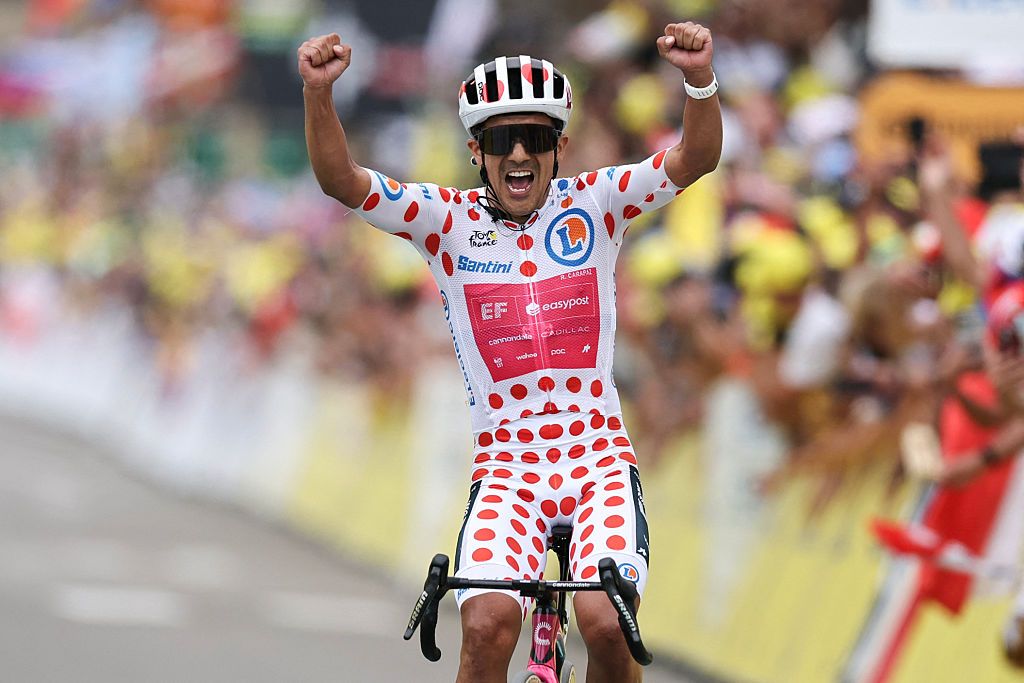
Richard Carapaz did not so much win Stage 20 of the Tour de France as survive it better than everyone else. On a day when the high mountains looked less like scenery than sentence, the EF Education-EasyPost rider climbed into the frame, then outlasted a breakaway that had already spent itself in the rarefied air above the Alpe d'Huez. By the time the dust settled, Sepp Kuss was left staring at the cruel arithmetic of a late collapse, and Remco Evenepoel had ridden himself into second place near the line with the clean, efficient menace that has become his calling card.
This was not a stage that rewarded confidence. It punished it.
The mountain stripped the race down to nerve and lungs
Stage 20 is supposed to feel like a procession of inevitability only after the fact. On the road, it is usually something much uglier: a long argument with gravity, a test of who still has a pulse in the final kilometers. Carapaz, the former Tour de France yellow-jersey dreamer turned mountain hunter, has always possessed that old alpine temperament, the instinct for suffering as strategy. He rode as though he understood the stage was not won by the strongest man early, but by the one still capable of making a decision when everyone else was living off instinct.
Kuss, by contrast, carried the heavy burden of expectation. A Visma-Lease a Bike rider used to working in support, he found himself in the role that changes reputations forever: the man others are supposed to fear. For most of the climb, that looked possible. Then the road sharpened, the legs dulled, and the illusion broke. Racing has a way of exposing a rider’s private negotiations with fatigue. There is no hiding on a mountain like this. Not under the cameras. Not under the crowd.
Evenepoel’s second place mattered too, because it said something familiar about the young Belgian: he does not need the perfect script to make himself relevant. He only needs a stage with enough room for his engine to announce itself. He did that here, staying close enough to the front that the final reckoning felt like a conversation among the best, not a coronation.
Sepp Kuss and the cruel business of expectation
Kuss’s late fade is the sort of thing that can reshape how a day is remembered. It is one thing to be caught; another to be exposed after daring to believe. The Tour is full of these small humiliations, and they are rarely small to the rider who lives them. Kuss has built a career on work rate, composure, and the quiet authority of a superb climber who usually exists in service of someone else. When the road asked him to be the protagonist, it asked a different question entirely.
That is the hidden pressure of a breakaway epic on the final mountain stage. Every rider in the move is carrying both hope and debt. Hope, because the stage is there. Debt, because the peloton, the GC powers, and the course itself eventually demand payment. Carapaz timed his account carefully. Kuss did not.
For Visma-Lease a Bike, this was a reminder that even the most disciplined mountain operation can be made to look mortal on the steepest roads. The team has been a machine of marginal gains and collective choreography, the sort of squad that makes suffering look organized. But at Alpe d’Huez, organization is no guarantee against the old truth that climbing is intimate. The bike cannot negotiate on your behalf.
Remco Evenepoel, always just a stage away from statement territory
There is something distinctly modern about the way Evenepoel races these moments. He does not always need the grand theatrical gesture. Sometimes second place is its own kind of declaration, especially on a stage where others have already detonated. He remains one of the sport’s most compelling forces because he can turn a terrain-specific challenge into a proof of relevance. He is never merely present.
That quality matters in a Tour that keeps asking which riders are built for accumulation and which are built for the coup. Evenepoel’s presence near the front on a day like this reminds everyone that cycling’s future is still being negotiated in real time, between the old mountain codes and the newer, more data-driven style of control. If you want a window into that tension, look at the summit finish and watch who still has something to say after the accelerations stop.
Alpe d’Huez does not hand out victories; it reveals who is still willing to pay for one.
As for Carapaz, this felt like the sort of stage that justifies a rider’s entire Tour. Not because it changes a classification sheet by itself, but because it restores narrative weight to a season that can otherwise be flattened by time gaps and formula. Carapaz has never been interested in being merely efficient. He is a rider of gestures, attacks, and hard-earned consequence, the kind who reminds the Tour that romance is not dead just because power meters exist.
If you want another lens on the day’s terrain, our look at Friday’s practice clues from the Hungaroring captures a different kind of motorsport precision, but cycling remains its own bruising theater. There is no pit wall to save you here. Only the mountain, the legs, and the truth.
What this stage says about the final week of the Tour
The final mountain stage should not be treated as decorative. It is often the last place the Tour permits a rider to expose a hidden strength or a hidden weakness before Paris turns everything into a celebration. Carapaz’s win underscores that the race still belongs to opportunists with nerve. Kuss’s struggle shows how thin the line can be between boldness and burnout. Evenepoel’s finish suggests he is never very far from the center of the sport’s next argument.
For the teams, the lesson is plain. Depth matters, but so does the ability to read a day before it reads you. The riders who survive these stages are usually the ones who understand that the mountain is less a backdrop than an editor. It cuts. It refines. It leaves only what can endure.
The Tour heads on with the kind of memory only the Alps can make. Carapaz has his moment, Kuss has his bruise, and Evenepoel has another reminder that he remains impossible to ignore. The road still has a few words left, but it has already said the important ones.
More from Straight From The Bench
Comments
Join the conversation — sign in to leave a comment.
Sign in to commentRelated Stories

Azzi Fudd WNBA 3-Point Contest Win: Rookie Makes History
Azzi Fudd didn’t just win the WNBA 3-point contest. She put a stamp on the night, made history, and took a cheeky swing at Steph Curry.
Sha'Carri Richardson and Noah Lyles Win 100m at U.S. Championships
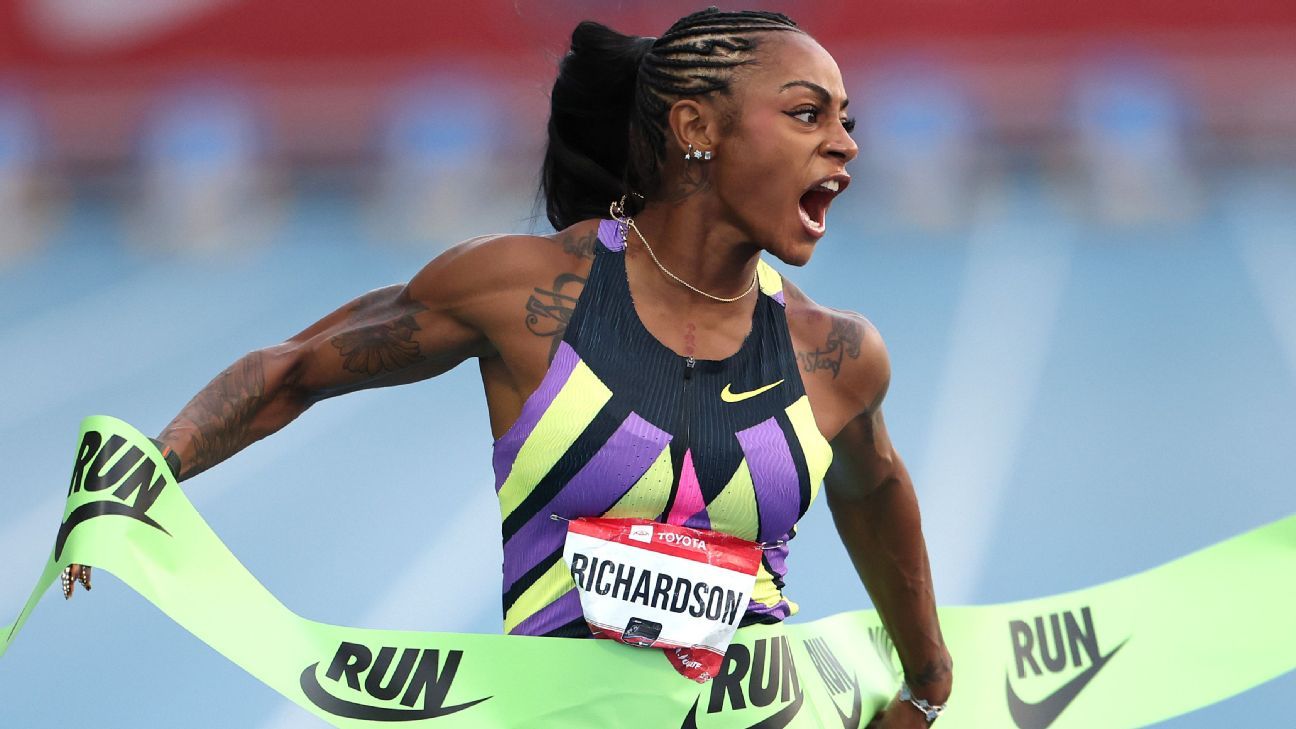
Richardson shook off a slow start and Lyles did what Lyles does: close like a man with a late train to catch. The U.S. sprint scene still runs through them.

Linda Cohn ESPN Layoffs: What the Latest Cuts Really Mean
Linda Cohn’s exit memories hit different now. ESPN’s latest layoffs show a network still chasing efficiency while burning through familiar voices.