
Seahawks Ownership Group: 12 Limited Partners Join the Bid
Twelve partners, one old Seattle rhythm — and a new era with a familiar number.
 Beatrice Kensington5 min read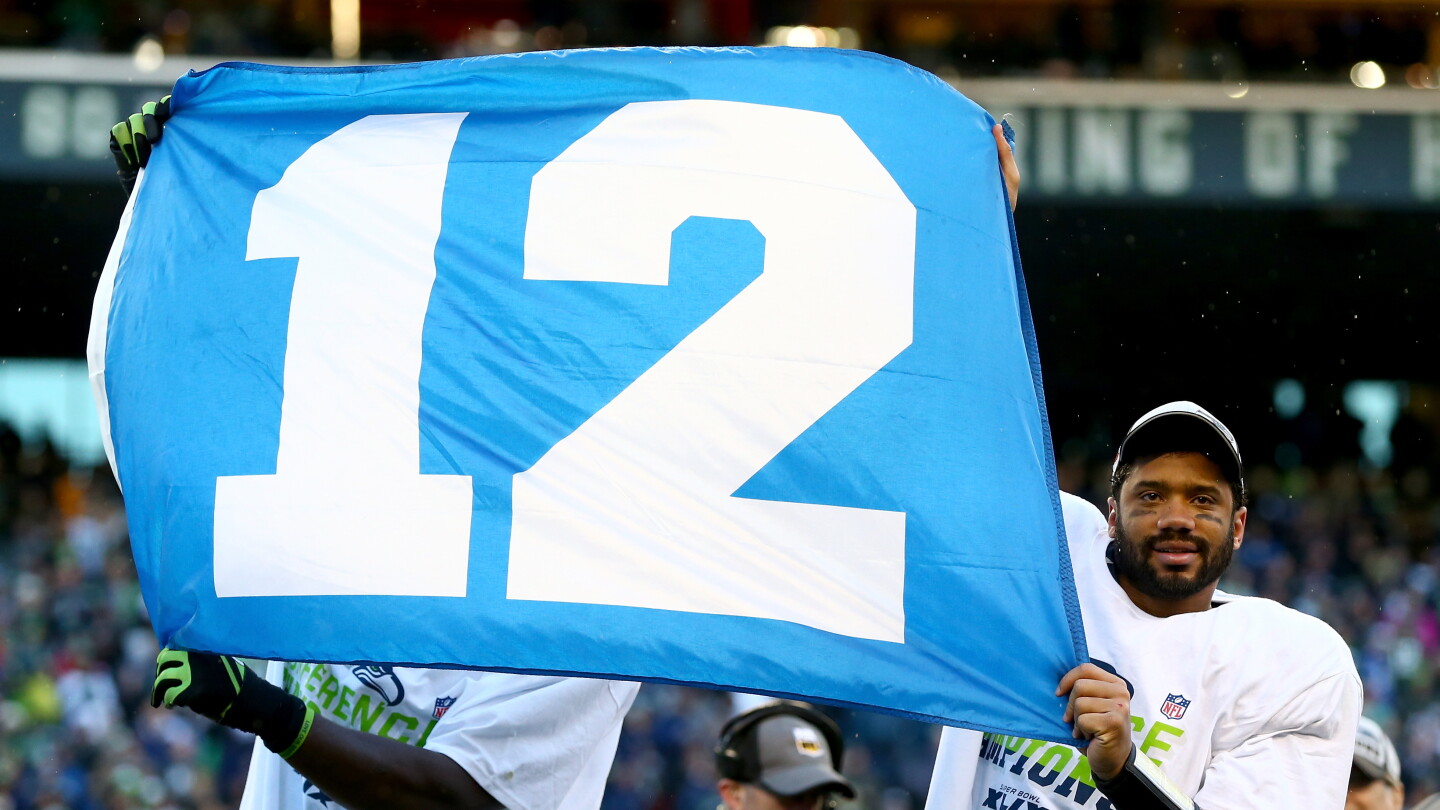
The Seahawks have always understood symbolism better than most franchises. In Seattle, the number 12 is not a marketing slogan so much as civic language, a shorthand for noise, loyalty and the peculiar electricity that has long made Lumen Field feel less like a venue than a pressure chamber. So when the team’s new ownership group emerged with 12 limited partners, the fit was too neat to ignore. A franchise that built part of its identity around the crowd now has a boardroom that mirrors the chant.
That kind of symmetry is pretty, but it is not the story. The story is power, stewardship and the changing economics of pro football — the quiet, consequential business of who gets to decide what a team is and what it becomes.
The number that sells itself in Seattle
There are cities where ownership changes prompt a shrug. Seattle is not one of them. This is a market that treats its sports institutions as civic property, even when the legal papers say otherwise. The Seattle Seahawks have spent decades building that bond, from the Kingdome years to the roar that now rises off the water and the concrete.
So yes, 12 limited partners is elegant branding. But it also tells you something about how the modern NFL works. Ownership is no longer only for the single titan with the fortress balance sheet. It can be assembled, diversified, layered. A consortium can give a franchise access to deeper pools of capital and broader networks of influence, while still keeping the operational reins in the hands of a smaller circle. It is the old American sports model, polished for a new century.
The league itself has been walking this road for years, expanding the acceptable shape of ownership while protecting the same essential thing: control. That balance matters. It affects stadium deals, business strategy, long-term investment and the stability fans rarely see until it vanishes.
What limited partners really mean for a franchise
Limited partners are not the ones steering the ship day to day, and that distinction matters more than the celebratory headlines. Their role is financial and structural, not ceremonial. They provide backing, spread risk and can add serious credibility in rooms where franchise values are discussed in the kind of numbers that once belonged to sovereign wealth funds and not sports pages.
In practical terms, that can mean a smoother transition for a team entering a new ownership phase. It can mean less dependence on a single source of capital. It can mean more flexibility when the next big question arrives — a facility upgrade, a football operations overhaul, a sponsor shift, a stadium negotiation that drags on for years like so many of these civic marriages do.
It can also mean a more modern ownership posture, one that looks less like a dynasty and more like a portfolio. That is not inherently bad. The danger is not the presence of partners. The danger is opacity, when a fan base that has every right to ask who is in the room gets only a polished announcement and a congratulatory handshake.
In the NFL, symbolism is nice. Governance is everything.
The 12th Man still belongs to the fans
Seattle’s best invention has always been collective. The 12th Man was never about one owner, one star or one executive in a tailored jacket. It was about noise as identity, about the idea that a fan base could become part of the machinery of winning. That concept has outlived personnel, coaches and eras.
Now the team’s ownership structure borrows that number, and there is some poetry in that. But fans should resist the urge to confuse echo with meaning. Twelve limited partners do not amount to twelve voices in the stands. They do not replace the old compact between team and city, the one built on Sundays, rain, disappointment and the stubborn belief that Seattle should matter.
If anything, this moment is a reminder that the public face of a franchise and its private architecture are often very different things. The seats in the stadium belong to fans for a few hours at a time. The leverage belongs elsewhere.
What I keep thinking about
I have always believed ownership stories reveal a franchise’s future more clearly than a draft-night smile ever will. A team tells you what it values by the shape of the people who hold it. A single dominant owner often means speed, clarity, and, sometimes, a dangerous appetite for control. A broader ownership group can mean resilience, but it can also mean compromise, committees, and the slow grind of consensus.
Seattle, of course, has lived through enough sports history to know that romance and competence do not always share a zip code. The city has seen how quickly a franchise can become a political object, a cultural argument, a site where civic pride and private capital collide. The Seahawks have mostly managed that tension well. The new structure should be judged by the same standard: not by the cleverness of its numerology, but by whether it preserves the hard-earned trust of a region that has made this team part of its own weather.
That is the real test here. Not whether the number 12 looks good on paper. Whether the people holding the paper understand what it means to Seattle.
The next chapter will be written in quieter ways — in boardroom choices, in football investments, in the way this group shows up when the easy branding fades. Seattle will notice. Seattle always does.
More from Straight From The Bench
Comments
Join the conversation — sign in to leave a comment.
Sign in to commentRelated Stories
Cowboys Salary Cap Restructure: Clark, Bland, Ferguson Free Up $19M
The Cowboys opened up more than $19 million by reworking three contracts. It’s classic Dallas: flexibility today, accounting pain later.

Mark Sanchez Stabbing Case: Plea Deal Puts Career in Shadow
Mark Sanchez’s agreement to plead guilty turns a volatile Indianapolis incident into a permanent stain. The football chapter is long closed; the public reckoning is not.
Mike Vrabel Report: Patriots Coach Shrugs Off Dianna Russini
Mike Vrabel brushed off the latest Dianna Russini report, and the real issue is how quickly the Patriots’ business keeps bleeding into the gossip mill. That’s the price of life in Foxborough now.