
Seahawks Terrion Arnold Signing: Why the Risk Still Fits
A football bet with a brutal optics tax.
 Zane Miller6 min read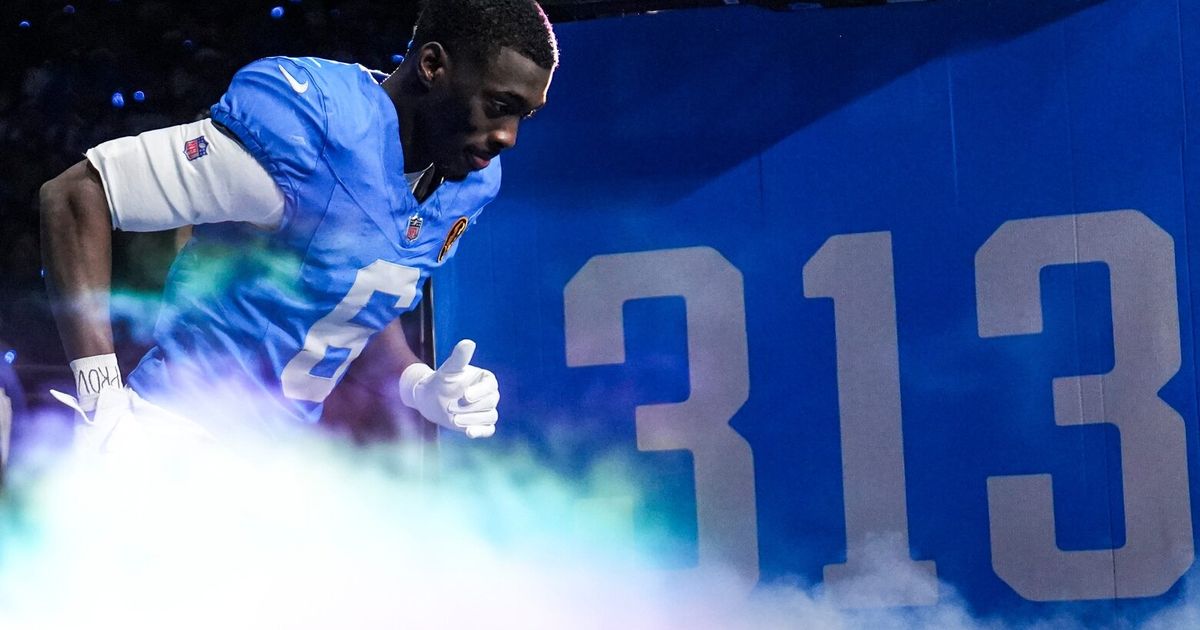
Seattle just walked into one of those roster moves that makes the football side nod and the optics side flinch. The Seahawks signing Terrion Arnold is exactly the kind of low-cost, one-year gamble front offices love on paper — and exactly the kind of move that can blow up into a public mess if the details are as serious as the noise around them suggests.
This is where the modern NFL gets messy. Teams don’t just evaluate arm length, coverage traits, and special-teams utility anymore. They also have to run every move through a public filter that never sleeps. Seattle has spent years building a relatively clean brand. Stable. Professional. Not the team making constant self-inflicted headlines. So if they’re going to attach themselves to a player with this kind of baggage, the football case has to be airtight.
Why the Seahawks would still do it
The roster math is obvious. One-year deals are where teams go hunting for upside without torching long-term flexibility. If a corner can help, even in a limited role, the cap hit is manageable and the downside is contained. That’s the appeal.
Seattle has lived in this lane before, and so have plenty of teams with playoff ambitions and thin secondary depth. A cornerback room is a fragile ecosystem. One injury, one regression, one player who can’t handle NFL route stress, and suddenly you’re patching snaps with specials and practice-squad promotions. If the Seahawks think Arnold can hold up in sub-packages, compete on the boundary, or at least give them emergency snaps, the roster logic checks out.
The NFL has turned “prove-it” contracts into a whole market segment. Teams don’t need every signing to be a character referendum. Sometimes they need a body who can cover slot verticals and not melt in December. That’s the cynical, practical side of this league.
But even the smartest roster move can become a dumb brand move if the player’s situation carries heavy off-field weight. And this one appears to.
The optics problem is the real story
This is where Seattle’s reputation gets dragged into the room. The Seahawks are not the kind of franchise that usually lives in the mud on these topics. That matters. Fans, sponsors, and even players notice when a team’s values start to look negotiable.
A team can survive signing a flawed player if the performance swing is big enough. The public will grumble and move on when the player becomes a starter, a turnover machine, or a postseason difference-maker. What it can’t survive nearly as easily is signing someone with ugly allegations and then getting nothing in return on Sundays.
That’s the entire risk profile here: if the football value is marginal, the optics tax gets paid for almost no gain. And in a league with constant churn at corner, that’s a tough sell. There are dozens of ways to find a playable defensive back without inviting a full week of explainers and side-eyes.
The NFL will forgive a lot for good coverage. It forgives a lot less when the player is ordinary.
That line is the knife edge here. If Arnold is just a depth piece, this becomes a headline the Seahawks didn’t need. If he’s a legit on-field upgrade, the conversation changes fast — not morally, but practically. Winning has a nasty way of quieting people.
Cap logic, roster logic, and the Seattle playbook
The reason these moves keep happening is simple: the salary cap punishes caution and rewards opportunism. Seattle can structure a one-year deal to keep the escape hatch open. That’s smart business. It gives the club a chance to evaluate without putting future plans in a chokehold.
This also tells you what the Seahawks think about their current cornerback situation. They either see a hole, or they see competition that needs a jolt. Front offices don’t add veteran corners for decoration. Not when every roster spot has a backup plan attached to it.
There’s also a bigger football truth here. Cornerback is one of the most volatile positions in the sport. A player can look usable one month and overmatched the next because the league forces you to play in space, in man, and under constant stress. That volatility makes teams reckless in one direction and cautious in the other. Seattle is clearly betting the market hasn’t fully priced Arnold’s football value.
If you want a useful parallel, look at how teams have treated reclamation corners for years: they’ll accept noise if they believe the athlete still has enough twitch and processing speed to survive. The league is full of players who were written off too early. It is also full of teams that confused talent with tolerance.
My read: Seattle is betting the football outweighs the fire
I’ll give the Seahawks this: they’re not being sentimental. This is not a team chasing vibes. It’s a business decision wrapped in a football decision, and those are usually the ones executives defend hardest because the numbers are easy to explain.
My read is that Seattle believes the cost of missing out on a useful corner is higher than the cost of taking the PR hit. That’s a cold calculation, and it’s probably the right one if the player truly helps. But the margin is thin. Very thin.
I’ve seen enough of these to know how they usually go. If the player performs, the front office calls it due diligence and moves on. If he doesn’t, the team gets tagged as careless for no payoff. There isn’t much middle ground. The market doesn’t reward “we tried” when the subject is this sensitive.
The Seahawks already have one eye on building a credible roster for the fall and another on protecting the culture they’ve spent years shaping. That’s the tension. You can’t always have both.
What to watch next in Seattle
The immediate watch item is simple: how the team frames the signing, and whether it treats Arnold like a real football addition or a short-term, no-commitment flyer. The deployment will tell you a lot. If he’s on the field quickly, Seattle believes the upside is worth the noise. If he’s buried, the optics risk may have outweighed the football return even before he took a snap.
Either way, this is one of those moves that reveals a front office’s real threshold. Not the public version. The private one.
Seattle wanted a corner. It may have gotten a test case instead. And that’s going to say plenty about where this team draws the line.
More from Straight From The Bench
Comments
Join the conversation — sign in to leave a comment.
Sign in to commentRelated Stories
.jpg?w=1120&h=630)
Troy Aikman Dolphins Job: NFL Access Gets Walled Off
Aikman’s Dolphins consulting role comes with the same nose-to-the-glass restrictions Tom Brady faces. The league still doesn’t trust a broadcaster with team secrets, and honestly, it shouldn’t.
Falcons James Pearce Jr. Suspension: Eight Games, Heavy Toll
James Pearce Jr.’s eight-game suspension lands like a winter draft over Atlanta’s autumn plans. The Falcons now have to survive a long stretch without the rookie edge presence they were counting on.

49ers preseason: Did Kurtis Rourke make Mac Jones expendable?
The 49ers’ first preseason game did what these games usually do: exposed a few jobs, hid a few more, and handed the quarterback room another round of questions.