
Seattle Storm fan allegations: ownership apology after confrontation
A night about basketball turned into a test of decency, and the Storm answered in public.
 Beatrice Kensington6 min read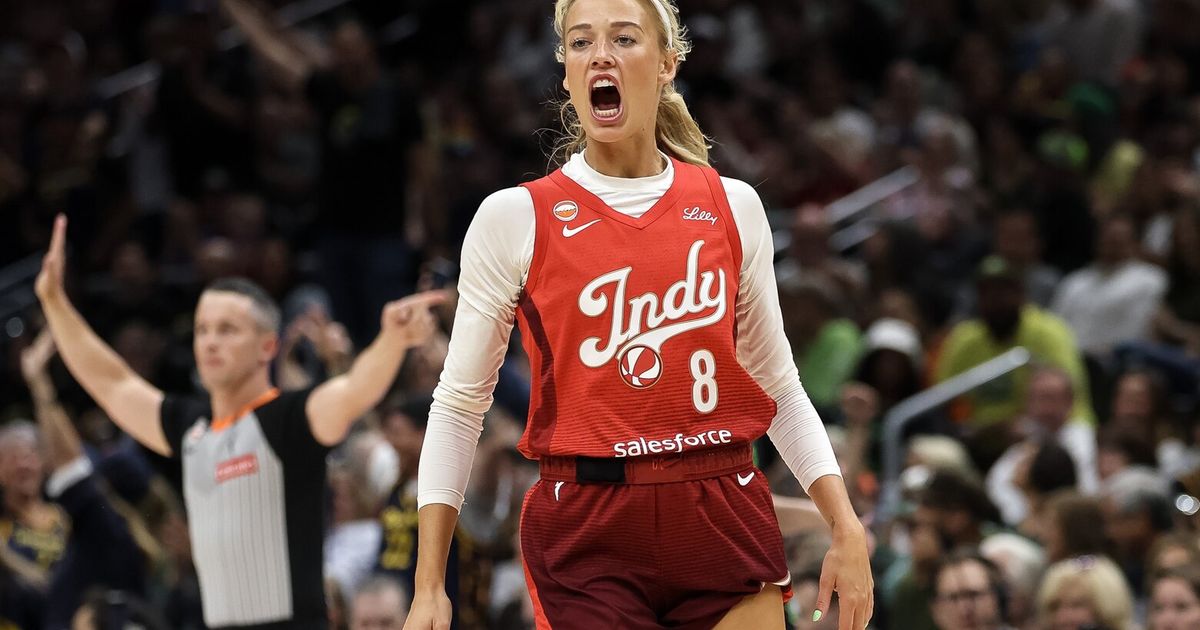
The Seattle Storm spent Wednesday apologizing for something that should never have needed a crisis meeting: an owner reportedly confronting two teenage fans over their support for Sophie Cunningham and her views on transgender athletes. The details are ugly in the ordinary, human way that ugly moments often are — not because they are epic, but because they are small, personal, and revealing. A conversation at the edge of a basketball game became a collision between fandom, identity and power. That is the sort of scene that lingers longer than a box score.
This is not just a bad look. It is a reminder that professional sports, especially women’s sports, are no longer sealed off from the country’s loudest arguments. They are now one of the places where those arguments arrive with sneakers on.
A public apology that had to be made
The Storm’s statement mattered because silence would have done more damage than the confrontation itself. When an ownership figure is accused of pressing teenagers over politics tied to a player’s public stance, the imbalance is obvious. One side has institutional authority, the other has the nervous energy of kids who came to watch a game and talk about an athlete they admire. That is not a fair fight in any sense of the word.
Ownership groups like to speak about community, inclusion and the long arc of women’s basketball as if those words were weatherproof. But community is not a slogan; it is behavior when the stands get noisy and the conversation turns sharp. The Seattle Storm had to show its hand, and quickly, because the modern arena is never only an arena. It is a public square with concession stands.
The apology also signals something else: women’s basketball has reached a scale where the personalities around it can no longer assume their private beliefs will stay private. The player at the center of the fans’ support, Cunningham, is not just an athlete in this story but a symbol in a broader debate about trans participation in sports. Whether teams want that burden or not, they are carrying it now.
Sophie Cunningham’s name has become bigger than the stat line
Cunningham’s views have drawn attention beyond the court, and that attention has a way of reshaping every room it enters. In the NBA, an owner confronted about a fan’s political stance might still generate a few headlines and a shrug. In the WNBA, where identity, visibility and advocacy have become inseparable from the league’s growth, the stakes are heavier and the scrutiny harsher.
That is part of the deal now. The WNBA has worked for decades to build the legitimacy and reach it enjoys today, and with that growth comes a more complicated public life. Players are admired not only for what they do between the lines but for the causes they champion, the comments they make, the audiences they attract and repel. That can be empowering. It can also be exhausting.
A fan base does not have to agree on every issue to be a healthy one. In fact, it rarely does. But once a team’s leadership begins policing the political or social sympathies of teenagers in the stands, the business of sports starts to look less like hosting and more like surveillance. That is where people get hurt, even before anyone raises their voice.
The larger fault line in women’s sports
What happened in Seattle fits into a broader and more unsettling pattern. Women’s sports, especially the WNBA, have become a stage for the country’s argument over gender, fairness and who gets to define inclusion. It is a fight being waged in legislative chambers, comment sections, locker rooms and, increasingly, on the concourses of arenas.
The league cannot fully control that. No commissioner can sand down every ideological edge in the public square. But teams can control how they treat fans, especially young ones, and how their people behave when emotions are high. The difference between a heated exchange and a lasting stain is often one decision made in the moment: walk away, or lean in.
The real failure here is not that an argument happened. It is that someone with power apparently chose to make teenagers the audience for it.
I have watched enough sports institutions scramble after self-inflicted messes to know this much: the apologies that land best are the ones that sound less like brand protection and more like moral clarity. The Storm owed that clarity to those fans, yes, but also to their own players, many of whom have spent years building a league where disagreement can exist without bullying, and where the arena feels like a place for basketball first.
And there is a larger historical echo here. Women’s leagues have always had to navigate more than competition. They have had to negotiate legitimacy, respectability and the endless pressure to prove they can be both commercially viable and culturally responsible. Men’s sports get scandals; women’s sports too often get assigned symbolism. Every flare-up becomes a referendum. Every apology becomes a referendum on the apology.
What the Storm must protect now
The Storm do not need a grand reinvention. They need discipline. They need a clean separation between ownership power and fan expression, especially where minors are involved. They need their public messaging to match the inclusive posture most professional teams claim as their baseline. And they need to understand that the people in the building are not props in someone else’s worldview.
This episode also puts the Storm in an awkward place competitively. Teams would prefer to spend this stretch talking about rotations, health and the standings, not ownership conduct. If you want a parallel for how off-court turbulence can swallow the basketball conversation, look at the way other franchises have had to work through distractions that outlast one news cycle. It is the sort of noise that can cling to a season like rain on a wool coat.
If the organization handles this well, it can become a lesson in restraint and accountability. If it handles it poorly, the story will harden into something uglier: an example of how quickly a franchise can alienate the very people who keep women’s basketball alive in the stands, on television and online.
For now, the apology is the first step, not the finish line. The bigger question is whether the Storm can make the next one on behalf of the sport itself — and mean it.
The league will move on to the next possession, as leagues always do. But this one should leave a mark.
More from Straight From The Bench
Comments
Join the conversation — sign in to leave a comment.
Sign in to commentRelated Stories
Seattle Storm Fan Allegations: Women's Sports Heckling Backlash
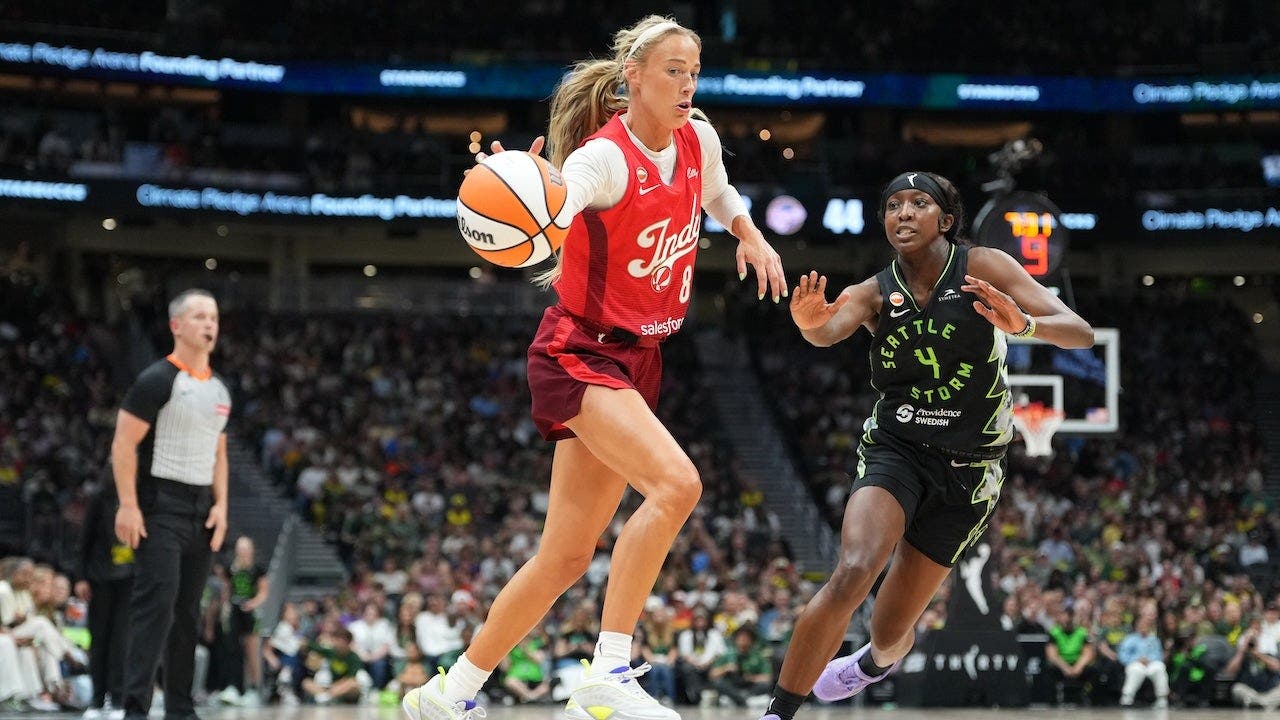
Teenage girls reportedly caught the worst of it at a Fever-Storm game in Seattle. If true, this is bigger than one ugly night.
2026 U.S. National Championship Day 1 Finals: Brooks Curry Leads 100 Free
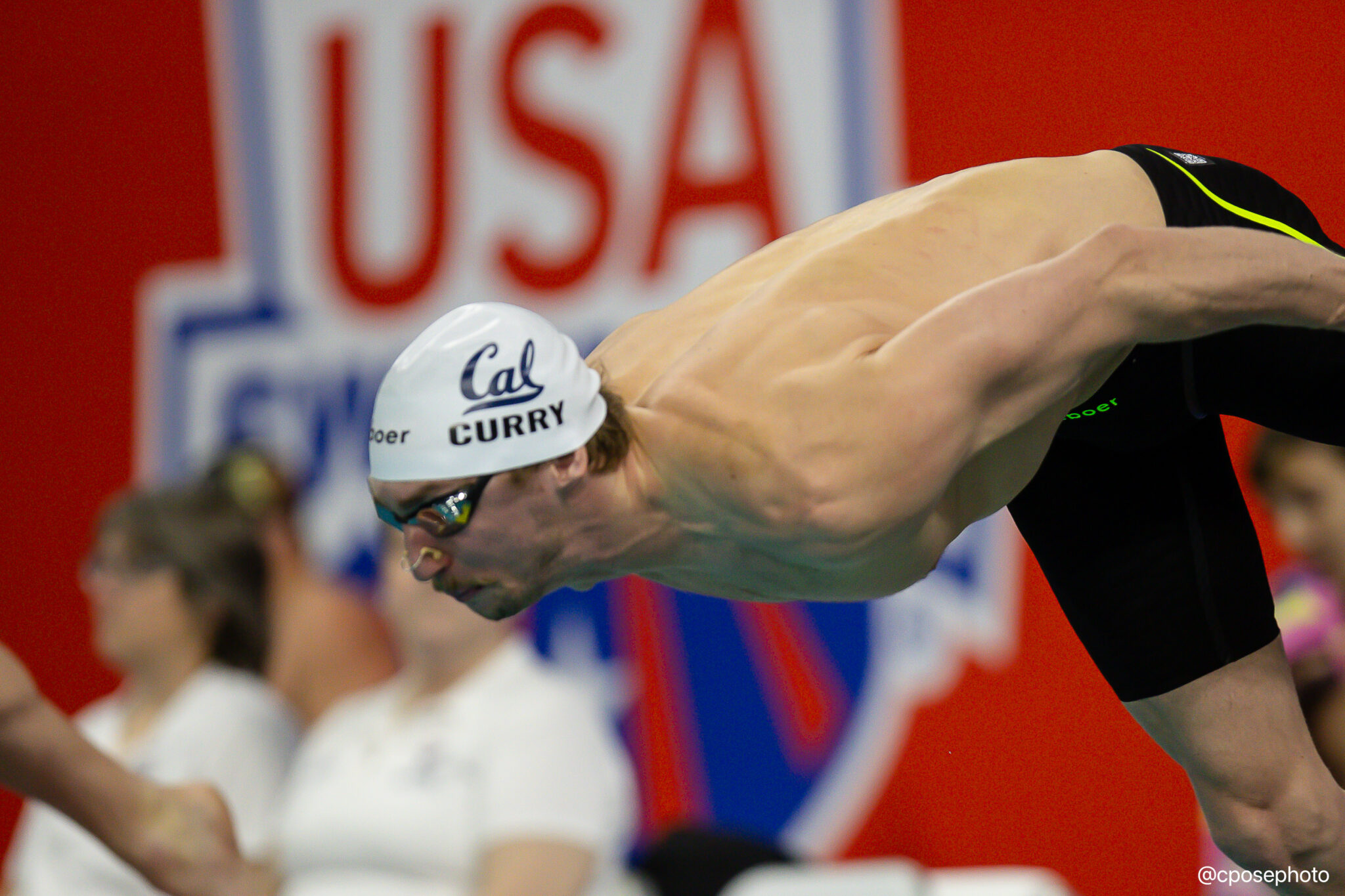
Brooks Curry grabbed the spotlight in the men’s 100 freestyle setup, but the real story was the depth. Four men under 48 seconds means nobody’s coasting into the final.
2026 U.S. National Championships Day 1 Prelims: Women’s 100 Free
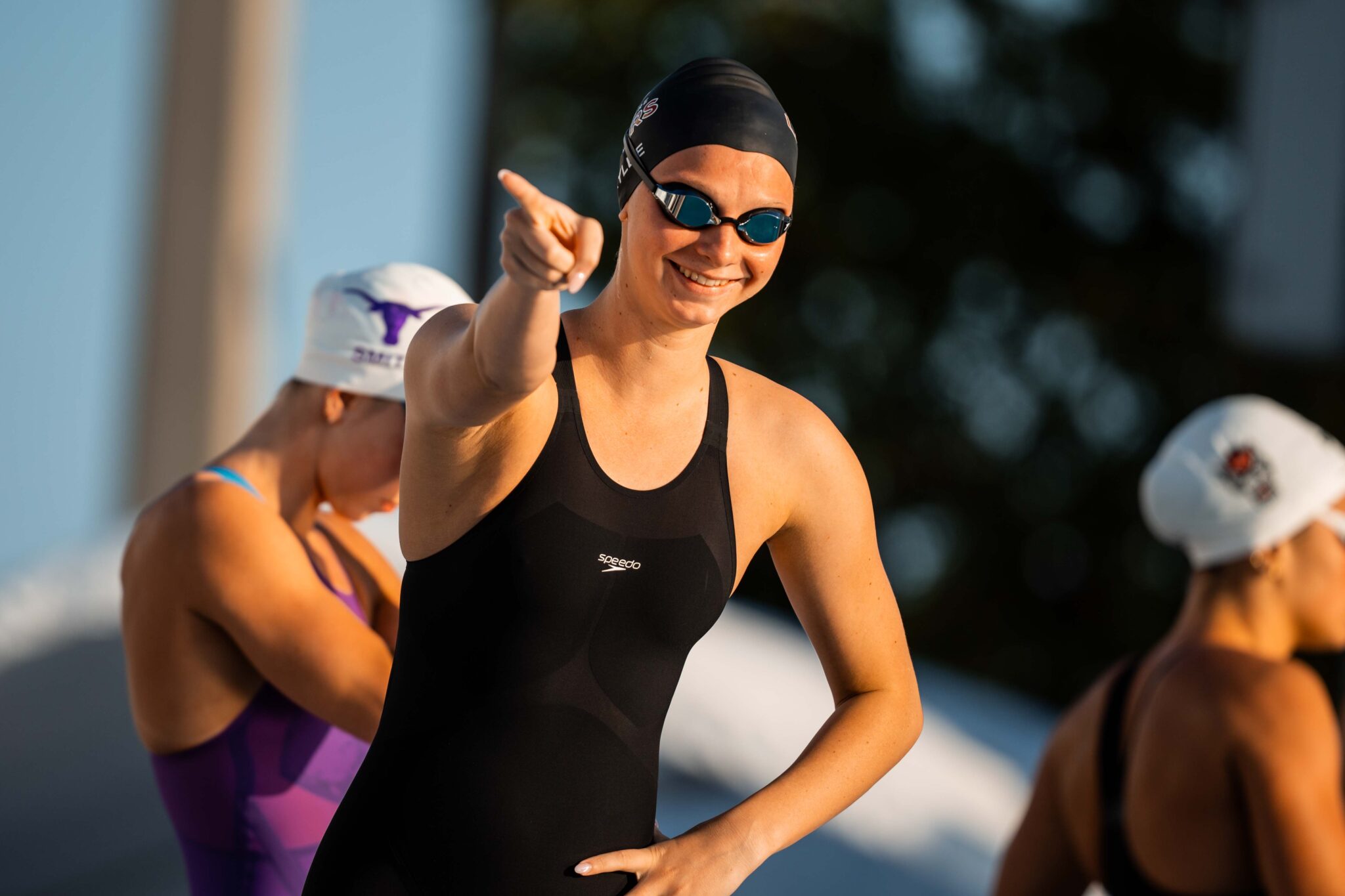
Rylee Erisman leads a deep women’s 100 free field as the 2026 U.S. National Championships open in Irvine. Day 1 already has the look of a meat grinder.