
Seattle Storm Suspension: Celeste Keaton fined after fan incident
The league moved fast. The bigger issue is how ugly the temperature got around the Storm.
 Zane Miller5 min read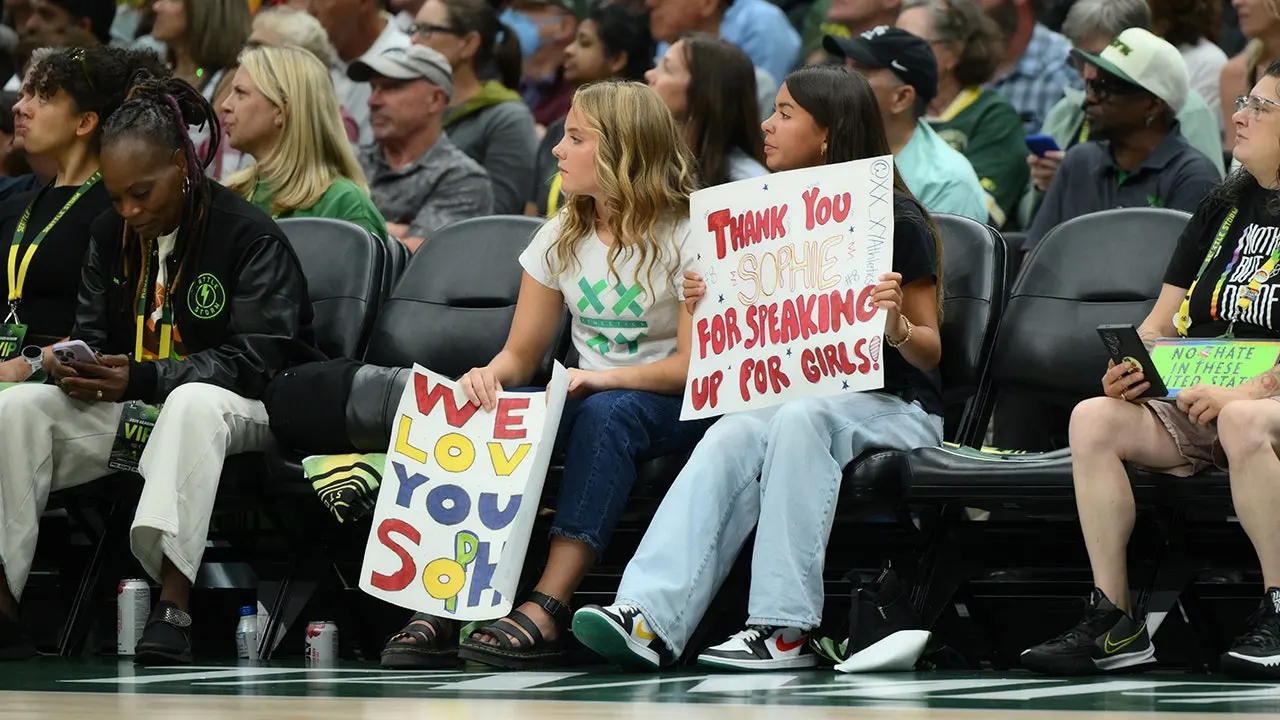
The Seattle Storm didn’t just get hit with a PR mess here. They got a league-level warning shot.
Co-owner Celeste Keaton has been fined and suspended from attending the team’s next five home games after an incident involving fans wearing XX-XY Athletics gear and comments that crossed a line hard enough to force the WNBA to act. Sophie Cunningham spoke up after the dust started moving, and the entire thing has quickly become bigger than one ugly exchange. This is the modern sports business problem in full view: your brand, your ownership group, your players, and your arena atmosphere are all fused together now. One bad moment can ricochet everywhere.
The league did what leagues do when optics turn toxic
A suspension of this kind is not subtle. It’s the league saying the behavior was serious enough to require distance, not just a quiet apology tour behind the scenes.
That matters because ownership in the WNBA is under a sharper microscope than ever. Teams are trying to grow attendance, build credibility, and sell the idea that this is a premium product with real cultural weight. Then one of the people signing checks gets caught in a situation that turns into a headline about fan conduct and public restraint. That is exactly the sort of thing leagues hate: it drags the conversation away from basketball and straight into governance.
The fine is almost secondary. The five-game home ban is the part that lands. It tells you the league wants a visible consequence, not just a memo and a nod. And from a management perspective, that’s not random. The WNBA knows it has a national audience paying attention to tone, fairness, and the way its people handle conflict. If you let this slide, it becomes the story every time something borderline happens in an arena.
Sophie Cunningham’s role pushed this from local issue to national one
Cunningham’s response mattered because players have become the megaphone. They don’t need a formal press release to shape the narrative now. One strong reaction, one clipped clip, one repost, and the thing has legs.
That’s why this keeps spilling outward. It’s not just about whether a co-owner got overheated. It’s about what kind of environment players are walking into, what fans think is acceptable, and where the league draws the line when ownership gets involved. You can feel the tension between free expression around the game and basic standards of conduct. Once that balance tips, somebody’s paying for it.
The Storm are stuck in an awkward spot because this is their house. Their market. Their reputation. And the team itself gets no benefit from any of it. The basketball is already hard enough. Even in a league where star power travels fast and every home game matters, the front office doesn’t need its own ownership drama becoming the dominant conversation.
The punishment isn’t just about one incident. It’s the league telling owners: your badge does not buy you immunity.
Why this hits harder in the WNBA than a lot of people realize
The WNBA is in a phase where every public moment carries extra weight. Expansion chatter, rising visibility, more TV eyeballs, more sponsorship interest — all of it raises the stakes. That means behavior at the top gets judged faster and harder.
And this is where the economics come in. Organizations are fighting for trust from players, fans, and sponsors at the same time. The league can’t sell an image of professionalism while allowing ownership to act like the night belongs to them. Executives know this. Agents know it. Players definitely know it. That’s why the response came down hard and early.
There’s also a broader lesson here for teams across the league, and it lines up with the kind of pressure we’ve seen in other recent WNBA moments, including the fallout in the Seattle Storm Suspension: Celeste Keaton Fan Incident Fallout coverage already making the rounds. The message is simple: the league wants fewer distractions and less improvisation from people at the top.
What Seattle has to manage now
The Storm now have to do two jobs at once. Win games. Clean up the image.
That is never ideal, especially because home dates are where ownership presence usually gets used as a signal of stability. Now, that’s off the table for five games. The team has to keep the basketball first while the storyline keeps circling the building.
My read? This is one of those cases where the league is also protecting the long game. If the WNBA wants to keep pulling in new fans, the product has to feel controlled, credible, and professionally run. That means you don’t let a co-owner’s comments become a free-for-all, and you don’t let the arena become a social-media detention center.
I’ve seen enough league discipline over the years to know the pattern. The harsher the business gets, the less patience executives have for chaos from their own side of the aisle. That’s especially true in a league trying to scale fast. Investors want growth. Sponsors want polish. Players want respect. There isn’t much room left for public mess.
Seattle will survive this. The question is whether it learns from it quickly enough to stop the next one before it starts.
The Storm are in cleanup mode now, and the league made its point. Next game, next controversy, next ownership test — everybody around the building will be watching a lot closer.
More from Straight From The Bench
Comments
Join the conversation — sign in to leave a comment.
Sign in to commentRelated Stories
Seattle Storm Suspension: Celeste Keaton Fan Incident Fallout
The WNBA moved quickly after a Storm co-owner confronted fans. Now the punishment is about more than one night in Seattle.
Seattle Storm fan allegations: ownership apology after confrontation
The Storm’s apology was more than damage control. It was a reminder that women’s basketball now lives in the glare of culture-war crossfire.
Seattle Storm Fan Allegations: Women's Sports Heckling Backlash
Teenage girls reportedly caught the worst of it at a Fever-Storm game in Seattle. If true, this is bigger than one ugly night.