
Sophie Cunningham fan incident: what the Storm confrontation means
A courtside ugliness that says more about the culture war than the box score
 Beatrice Kensington5 min read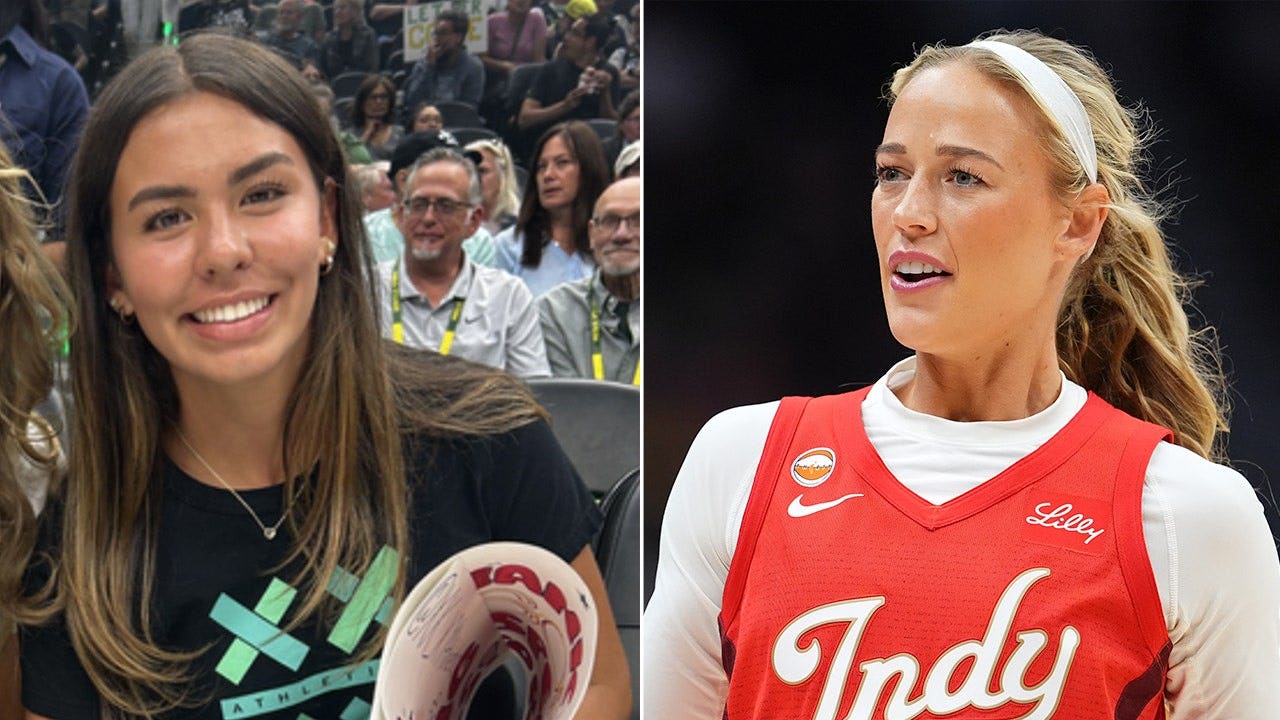
The ugly part of the night was not confined to the hardwood. It spilled into the seating bowl, where a teenage fan — Ahnaleigh Wilson — says she was confronted during a WNBA game and shoved into the center of a fight she never asked to join. The details matter, but so does the temperature of the moment: women’s basketball has become one of the most visible fronts in America’s never-ending argument over gender, athletics, and who gets to feel safe in public spaces.
What should have been an ordinary night of sport instead turned into another small theater of grievance, accusation, and performance. And the casualty, as is so often the case, was not the loudest person in the room. It was the youngest.
A teen fan caught in a much larger argument
Ahnaleigh Wilson is not a political strategist, a league executive, or a culture-war pundit with a microphone and a program to sell. She is a Washington high school athlete who went to a game and found herself pulled into a confrontation that now lives far beyond her own experience. That is the part worth sitting with. Not because it is unusual, but because it is becoming familiar.
In women’s sports, the stands are no longer just stands. They are a stage. Every sign, every chant, every pointed remark is instantly soaked in meaning. The WNBA has enjoyed a surge in attention and legitimacy, and with that visibility has come a harsher kind of scrutiny, the sort that reduces real athletes and real fans to talking points in a political crossfire. The league is not merely hosting games now; it is absorbing the country’s argument about what women’s sports are supposed to represent.
And when a teenager gets verbally tangled up in that mess, the moral failure is not hers.
Sophie Cunningham and the fog around women’s sports discourse
Sophie Cunningham has become one of the league’s more recognizable names, a player whose toughness and competitiveness invite strong opinions in every direction. That comes with the territory in pro sports. But the incident surrounding this game has nothing to do with whether one agrees with a player’s style, profile, or public posture. It has to do with what happens when fandom stops being fandom and becomes license.
The Seattle Storm have their own place in the league’s history, a franchise built in the era when women’s basketball still had to fight for each incremental inch of respect. That history makes the reported confrontation sting all the more. A team long associated with elevating the women’s game now sits inside a story about intimidation, gender politics, and a child in the crosshairs. That is not where the sport should want its spotlight.
The saddest part is not that people came looking for a fight. It is that a game became the easiest place to find one.
This is the rotten little trick of modern sports culture: it borrows the intimacy of a live event and uses it to amplify the ugliest instincts of the crowd. The arena is supposed to be a place where strangers share a temporary civic truce. Instead, it is increasingly asked to carry the emotional freight of the entire country.
Women’s basketball keeps paying the price for being visible
The WNBA has never lacked for substance. The league has had elite competition, smart coaches, durable rivalries, and a history that deserves more reverence than it has often received. What it has gained in attention, especially in the last few seasons, has also made it a magnet for debates that are only partly about basketball. That makes every controversy more combustible, because the argument is never just about the incident in front of you. It is about what the incident can be made to stand for.
There is a cruel symmetry here. Women’s sports spent decades asking America to look harder, to pay attention, to invest with its eyes and its dollars. Now that people are looking, some of them are looking with hostile intent. Others arrive prepared to use the game as a proxy war. Either way, the athlete, the young fan, and the ordinary people in the building become collateral.
That is where leagues have to become adults. Security, venue conduct, fan behavior, and postgame accountability cannot be treated as seasonal paperwork. A professional league that wants the benefits of relevance must also accept the burdens of protection. It is not enough to say the sport is growing. Growth without guardrails is just bigger trouble.
What this says about the broader culture war
I keep coming back to the same thought: sports used to be the place where Americans went to forget the arguments. Now too often they go to rehearse them. The dispute over trans athletes in women’s sports is real, emotional, and politically loaded, but once it gets reduced to public spectacle, the loudest people win the most airtime and the least wisdom. That is how a teenager ends up learning, in real time, that no arena is entirely hers.
I have covered enough sports to know that crowds do not invent their worst behavior overnight. They are taught it, rewarded for it, and occasionally excused for it. The old lie says it is just passion. It is not. Passion has discipline. This is something closer to permission.
And here is the harder truth: if women’s sports are now prominent enough to attract this kind of hostility, then the stakes have risen, too. The leagues, the schools, the parents, and the fans all have a responsibility to protect the ordinary human dignity of the people inside the game. Not just the stars. Not just the activists. Everyone.
If the WNBA wants this growth to mean something lasting, it cannot merely count attendance and television windows. It has to defend the people who show up to watch. The next test will not be whether the league can sell the moment. It will be whether it can keep the moment from curdling.
The cameras will move on. The arguments will not. What matters now is whether anyone with power in the building decides that a game should still feel like a game.
More from Straight From The Bench
Comments
Join the conversation — sign in to leave a comment.
Sign in to commentRelated Stories
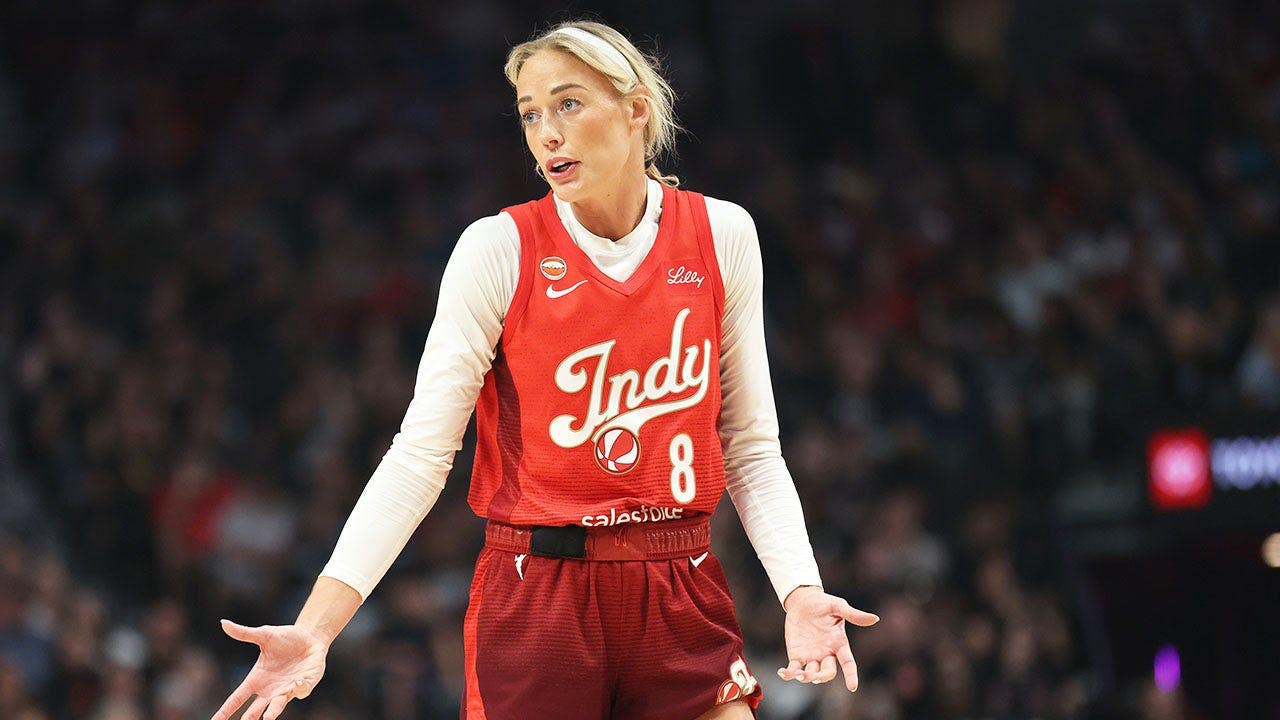
Sophie Cunningham: Blunt Message After Booing Portland Crowd
Portland gave Sophie Cunningham the whole courthouse treatment, and she gave it right back with the kind of shot-making that travels anywhere.
Caitlin Clark Triple-Double: Fever Win Fifth Straight Over Portland
Caitlin Clark delivered her fourth career triple-double as Indiana stretched its winning streak to five. The Fever are starting to look like a real problem.

Brittney Griner Divorce: What This Means After Atlanta Dream
Brittney Griner has filed for divorce in Fulton County, a personal development that lands in the middle of a career already defined by pressure, resilience, and scrutiny.