
Sophie Cunningham Indiana Fever Harassment Cover-Up Claims Shake WNBA
The Fever’s off-court mess just got bigger — and uglier.
 Zane Miller5 min read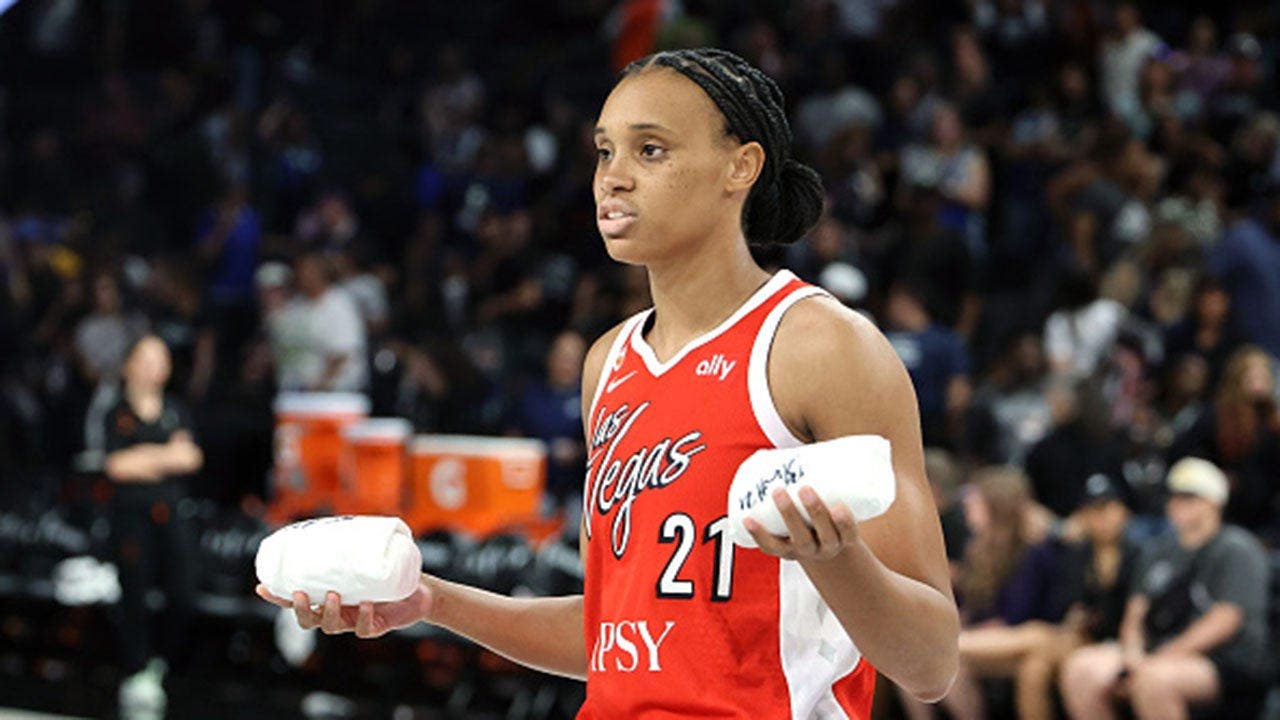
The Indiana Fever were already living in the glare. Now they’re in the middle of a different kind of firestorm, one that reaches past the WNBA scoreboard and straight into workplace culture, accountability, and the way teams handle power when nobody is watching.
Former Fever player Brianna Turner says the organization fired a male staff member over sexual harassment allegations during her time with the club, pushing back hard against Sophie Cunningham’s recent stance on trans athletes. That’s not a side note. That’s a full-blown escalation. Once you move from opinion warfare to accusations about how an organization handled misconduct internally, the conversation changes fast.
The Fever don’t get to treat this like background noise
Indiana has become one of the most watched franchises in women’s sports because the basketball itself has become appointment viewing. That comes with a lot of extra attention, and not all of it is flattering. The Fever are no longer a team flying under the radar, and in this kind of climate, every internal decision gets dragged into public view.
If Turner’s accusation stands up, the organization is dealing with something far more serious than a social-media disagreement. Teams love to project a clean, modern, player-first image. But the second a former player suggests the front office handled a sexual harassment case, the whole branding exercise gets stress-tested. Fans can forgive losing. They do not forgive chaos, and they really do not forgive the feeling that a team is trying to manage perception instead of conduct.
That’s the real issue here: the Fever can’t just wave this away as a dispute over politics or athlete opinions. If there was an internal firing tied to harassment allegations, then the story is about process, safety, and whether people around the team felt protected or ignored.
Sophie Cunningham’s remarks lit the fuse
Cunningham’s comments on trans athletes already put the Fever in the middle of a culture fight they did not ask for. It’s the kind of topic that can swallow a locker room whole if leadership isn’t careful. And once a current player becomes the face of that argument, former teammates and ex-staffers often feel compelled to respond.
That’s what makes Turner’s response so combustible. She didn’t just disagree. She reportedly challenged Cunningham’s stance by bringing up a separate allegation involving how Indiana handled a male staff member accused of sexual harassment. That turns a broad ideological argument into something much more personal and much more dangerous for the organization.
This is where teams get exposed. Not in the press release. Not in the polished statement. In the memory bank of former players and staffers who know where the bodies are buried, figuratively speaking. And in pro sports, those memories usually surface when the temperature is already high.
Once a team’s internal culture becomes part of the public argument, every other issue gets harder to control.
What this means for Indiana’s image problem
The Fever do not need another headline that has nothing to do with points, pace, or playoff positioning. But here we are. The organization now has to protect its reputation while also avoiding the appearance of silence, deflection, or selective outrage. That’s a brutal balancing act.
I’ve covered enough league messes to know the pattern. When a franchise is on the rise, the public assumes it is also getting smarter, cleaner, and more sophisticated behind the scenes. Sometimes that’s true. Sometimes it’s just better marketing. The best-run organizations understand that player empowerment and workplace standards are not separate conversations. They’re the same conversation.
If Indiana mishandled anything here, even years ago, the current leadership inherits the damage. That’s how this works. Front offices don’t just manage rosters. They manage institutional memory. And once a former player starts describing a past episode in the language of harassment and cover-up, the burden shifts immediately onto the team to prove it had a real system, not just a PR department.
I’ll say this plainly: the league can’t afford for one of its biggest brands to look sloppy on basic workplace issues. The WNBA is trying to build long-term trust with players, sponsors, fans, and the next generation of athletes. That trust gets dented fast when internal handling looks ambiguous or convenient. Not because the league is fragile, but because the standard is supposed to be higher now.
The bigger league stakes are bigger than one feud
There’s a reason this story doesn’t stay contained. The WNBA has spent years fighting for respect on the basis of professionalism, visibility, and competitive quality. That message gets louder every season, especially with stars driving more media and more ticket demand. But visibility cuts both ways. Once the spotlight hits, the league’s off-court culture is fair game too.
This also lands in a moment where women’s sports discourse is already charged, loud, and instant. Social platforms reward the hottest take, not the most careful one. So a current player’s opinion, a former player’s counter, and an accusation about prior workplace conduct can all get mashed into one giant mess before anyone has a chance to separate fact from noise.
That’s why the Fever need to be disciplined here. Not dramatic. Not defensive. Disciplined. If there are records, policies, investigations, or prior actions, they need to be handled with care and consistency. If there isn’t enough to say publicly, then silence has to be purposeful, not evasive. The worst move is a half-answer that tells everyone the team is improvising.
For what it’s worth, this is the exact kind of story that can linger long after the tweets cool off. Not because every detail gets settled instantly, but because people remember which organizations seemed credible and which ones seemed panicked.
The Fever have more basketball to play, and that part matters. But right now the franchise is also playing defense in public, and the next move has to look a lot more organized than the last one.
Watch how they respond. That tells you more than the argument itself.
More from Straight From The Bench
Comments
Join the conversation — sign in to leave a comment.
Sign in to commentRelated Stories

Tour de France Stage 18: Richard Carapaz Gives EF a Big Win
Richard Carapaz took control on the final climb and rode solo to victory on stage 18. For EF Education-EasyPost, it was the kind of day that changes a Tour from survival to respect.

Sophie Cunningham Trans Issues: Trump Officials Seize On Remarks
Sophie Cunningham’s comments are now part of a bigger political push. The WNBA, women’s sports advocates and the White House all just got pulled into the same lane.

UAE Team Emirates-XRG Tour de France Update: Sick Ranks, Shifting Power
Illness has arrived at the worst possible time for UAE Team Emirates-XRG. With two mountain stages left, the Tour’s balance may be about to tilt.