
UAE Team Emirates-XRG Tour de France Update: Sick Ranks, Shifting Power
Pogačar’s fortress still stands, but the cracks are beginning to show
 Beatrice Kensington6 min read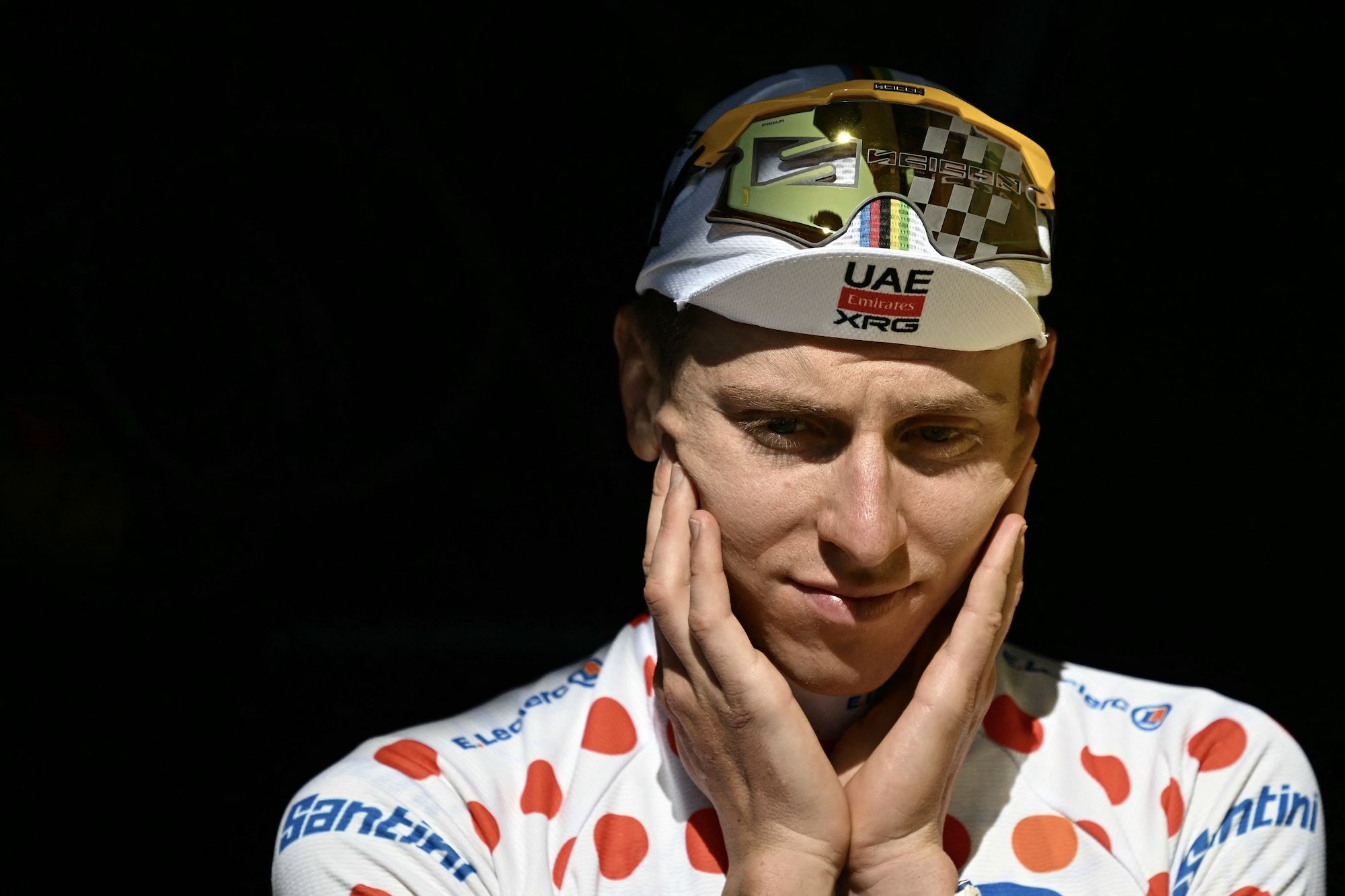
The yellow machine has started to cough
For nearly three weeks, Tadej Pogačar has ridden behind the sort of collective force that turns a great rider into a nearly untouchable one. UAE Team Emirates-XRG have not merely supported the yellow jersey; they have controlled him, cordoned him, protected him, and at times smothered the race into obedience. The Tour de France, which so often feeds on drama, has been forced to live inside their rhythm.
Now the rhythm is faltering. Illness in the camp changes everything, not because one sick rider topples a grand tour, but because stage races are built on accumulation. One off day becomes two. One weaker domestique becomes a smaller buffer in the wind, a later response on the climb, a less convincing tempo when the real attacks begin. In a race where seconds are worshipped like relics, the health of a support rider can matter almost as much as the health of the leader himself.
Why UAE’s depth has mattered so much
The modern Tour is no longer won only by the strongest man in the mountains. It is won by the best-organized household, the team that can keep the fire lit from breakfast to summit finish. UAE have been that household, and then some. Their strength has allowed Pogačar to race with a kind of reckless elegance, knowing the race would be made smaller before he ever had to answer a serious question.
That is the hidden story beneath the yellow jersey. A leader can look invincible only if the work around him makes him look that way. Remove a few hands from the scaffolding and the whole structure feels a little less permanent. It does not mean Pogačar suddenly becomes vulnerable in the old, cinematic sense. It means the margins shrink, and in the Tour, the margins are the race.
The contrast with past editions is plain enough. Teams like Team Sky used to break rivals with relentless control; UAE have often done something more flamboyant, more elastic, but no less suffocating. Their method has made the peloton reactive. If that control weakens, the rest of the contenders will smell it immediately.
In the Tour de France, illness does not just weaken a team — it changes the language of the race.
What two mountain stages can still reveal
Two mountain stages is not a footnote. It is a verdict waiting to be written.
The remaining climbs are where tired bodies tell the truth. If UAE are even a touch less airtight, rival teams will begin testing the seams early rather than waiting for the final ramp. Jonas Vingegaard is absent, which means the race has already lost its most obvious two-man duel, but the Tour has a way of finding tension in the vacuum. The new question is not whether Pogačar can survive; it is whether he can still dictate.
That distinction matters. A rider defending yellow from the front spends less energy than one forced to chase moves across multiple teams. A weakened train also changes how breakaways are policed. The peloton becomes more permissive. Opportunists get longer leashes. The race can suddenly start looking like a patchwork of private ambitions rather than a single controlled machine.
And if UAE cannot fully command the high mountains, the psychological effect may outlast the physical one. Rivals ride differently when they sense a leader is isolated. Teammates, too, begin making quieter decisions. They wait a second longer. They hesitate. They conserve. In the Tour, hesitation is a kind of oxygen for everyone else.
The human cost behind the polished jersey
It is easy to talk about “depth” and “domination” as if they are abstract virtues, polished and bloodless. They are not. They are built out of tired legs, rough mornings, and the private misery of riders trying to stay upright when their bodies revolt. Cycling is brutal that way. A team photo can look serene while the bus carries a fever, a stomach bug, or a cough that has no business surviving into the final week of July.
This is where the romantic language of grand tours often fails. We talk about tactics because tactics are tidy. Illness is messy. It does not respect altitude profiles or television schedules. It sneaks into a camp and changes the order of things without asking permission. By the time the public sees the impact, the damage has often already been done.
I have always believed the late stages of a grand tour reveal more about a team than the opening week ever can. Early on, everyone has legs and hope. Late on, only the honest structures remain. If UAE are carrying sickness into the final mountains, then we are about to see whether their control has been genuine strength or simply the temporary advantage of a healthier camp than the rest. My suspicion is that it is both. Great teams are rarely myth. They are just better at surviving the ordinary humiliations of a three-week race.
For the broader cycling picture, this matters because it reminds us how fragile dominance really is. One week the sport looks arranged around a single superteam; the next, a few sick bodies make the whole contest feel open again. That is not a flaw in the Tour. It is one of its last mercies.
Who benefits if UAE’s grip loosens
If the control slips, the obvious beneficiaries are the aggressive climbers and the teams willing to gamble early. A looser race invites ambition. It can also expose caution as cowardice.
That does not guarantee a complete upheaval, of course. Pogačar remains the most adaptable rider in the field, capable of winning when the race is scripted and when it is chaotic. But a leader under less support must choose his moments more carefully. The Tour punishes indecision and rewards the rider who senses weakness before it is visible on the screen.
There is also a political edge to this. Dominant teams shape not only outcomes but expectations. When they wobble, the race regains its old, dangerous democracy. Suddenly, every mountain road becomes a place where someone can believe again.
The last two stages will not merely decide positions. They will tell us whether UAE’s supremacy has been a wall or a weather system. Walls crack. Weather passes.
One hard climb can still change the tone of the whole race. And in this Tour, tone may be all that stands between control and chaos.
More from Straight From The Bench
Comments
Join the conversation — sign in to leave a comment.
Sign in to commentRelated Stories

Sophie Cunningham Trans Issues: Trump Officials Seize On Remarks
Sophie Cunningham’s comments are now part of a bigger political push. The WNBA, women’s sports advocates and the White House all just got pulled into the same lane.
Cecily Tynan Retirement: 6abc Chief Meteorologist Steps Away
Cecily Tynan is calling it a career after more than 35 years in broadcast and a generation on Philadelphia’s evening TV. That leaves a hole no weather graphic can fill.

Indiana Fever Harassment Allegations: Brianna Turner Speaks Out
Brianna Turner’s allegations put the Indiana Fever under a harsh light. This is no mere locker-room dispute; it is a test of power, accountability, and who gets protected.