Steelers Aaron Rodgers Paris Game Update: NFL backs safety call
Rodgers isn’t flinching — and the league’s overseas playbook is under the microscope.
 Zane Miller5 min read
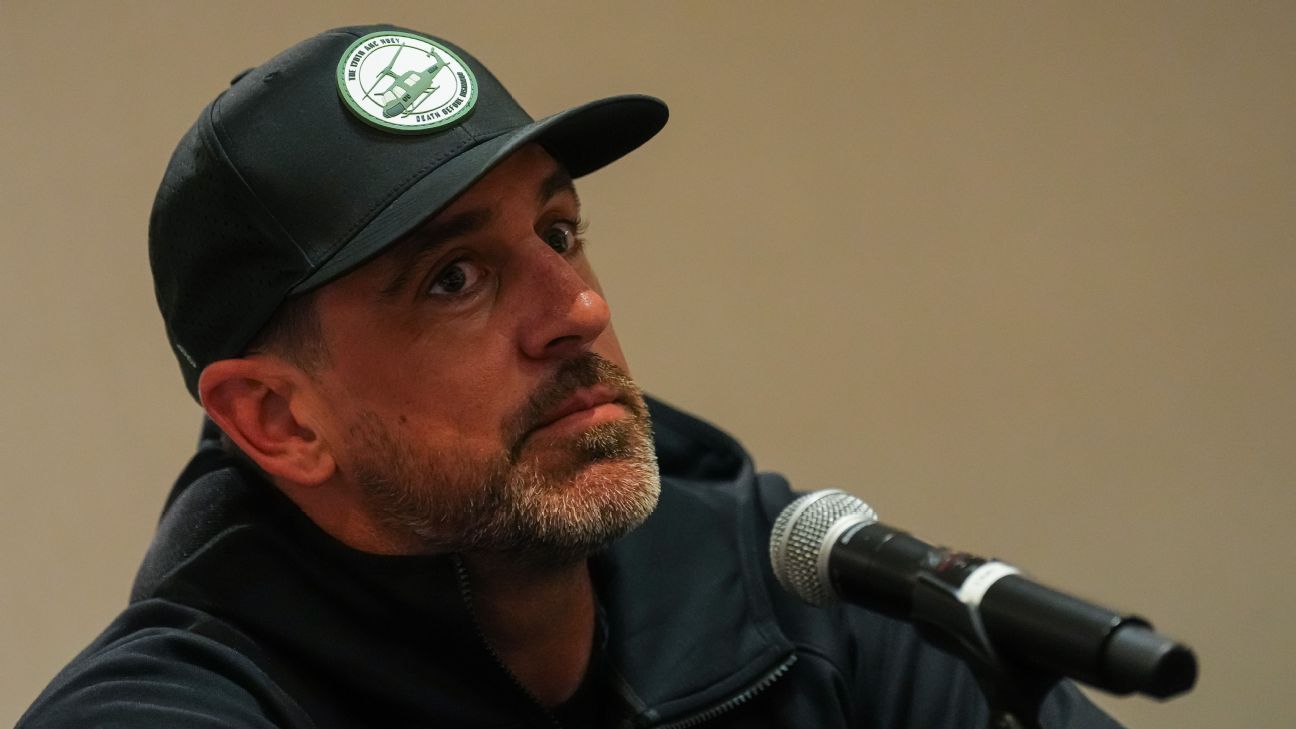
Aaron Rodgers did not sound rattled. Not by the headlines, not by the chatter, not by the noise that always follows an NFL international game when the host city is dealing with real-world unrest. The Steelers quarterback backed the league’s judgment on staging a game in Paris, and that’s the key part here: the league is no longer just selling a football event, it’s managing a public-safety decision with global optics attached.
This is where the NFL lives now. The shield travels. The schedule travels. The risk profile travels too.
Rodgers gives the league cover — and a little pressure relief
Rodgers saying he trusts the NFL to make the call is not a throwaway quote. It gives the league a veteran quarterback’s public support at exactly the moment it wants the conversation to stay centered on logistics, not fear. That matters because the NFL’s overseas push has become a signature business move, and every international game is part spectacle, part stress test.
Paris is a different stage. It’s not just another neutral-site brand play. It’s a major capital city with visible security sensitivities, a massive event footprint, and zero appetite for a game-day mistake. The league knows it. The teams know it. The players absolutely know it.
Rodgers’ stance also fits the way veteran stars think about these trips. They’re not planning the itinerary or scanning every security detail. They want certainty. They want the league, local authorities, and event partners to do their jobs cleanly so the football stays the focus. Once a high-profile quarterback says he’s comfortable, the public conversation gets a little quieter — at least temporarily.
Paris is a brand play, but safety is the product
The NFL keeps exporting itself because the business case is obvious. New markets, new sponsors, new fans, new inventory. That’s how you build a 17-game league into a 24/7 content machine. But international expansion only works if everyone believes the event can be staged without drama.
And let’s be blunt: the league has spent years selling these games as seamless. Flights, operations, practice windows, field setup, media access — all the moving parts are supposed to feel invisible. The more noise there is around security, the more the league has to prove it can still deliver a polished product.
This is why Rodgers’ comment lands beyond the usual player-speak. A star quarterback doesn’t need to litigate the league’s decision in public. He can create distance. Instead, he essentially said the NFL knows what it’s doing. That’s a useful message for league offices, team executives, sponsors, and anyone else with money tied to the Paris plan.
The NFL has a long history of pushing into new markets while treating the game itself like a proof of concept. London got there first. Germany followed. Now Paris is on deck, and every city comes with its own local realities. Once you leave the standard U.S. stadium ecosystem, the event isn’t just about football anymore. It’s about whether the league can control every external variable well enough to make the sport feel normal in an unfamiliar place.
What this means for the Steelers’ week and the league’s image
For Pittsburgh, this is about more than one road trip. The Steelers are one of the league’s legacy brands, and when a franchise like that signs off on the league’s approach, it reinforces the message that international games are now embedded in the business model.
It also tells you something about the internal calculus. Teams are not eager to become the face of a safety controversy overseas. Players are even less eager. So Rodgers’ confidence functions like a release valve. It keeps the focus on preparation instead of speculation.
There’s a football piece too. International games always create a weird competitive balance. Travel, sleep, routine, field conditions, media obligations — all of it gets compressed. Veterans often handle the disruption better than younger players because they’ve seen enough chaos to know how to control their own week. Rodgers has made a career out of that kind of composure, even if the internet would rather argue about his every expression.
If you want the wider Steelers context, this also sits next to the franchise’s broader quarterback identity and the constant scrutiny that comes with it. We’ve already seen how much attention the league can generate around a quarterback storyline in a national window, and the Paris angle only magnifies that. For another angle on how the Steelers can shape a high-pressure game week, this clock-management breakdown is a useful reminder of how thin the margin gets when the stakes and the spotlight both spike.
My read: the NFL wants trust more than applause
Here’s the part people inside the game understand and fans sometimes miss. The NFL doesn’t need everyone to love the Paris idea. It needs people inside the ecosystem to trust that the league will make the right call if conditions change. That is a different standard, and it’s the one that actually matters.
I’ve covered enough league expansion talk to know this: executives hate uncertainty more than they hate criticism. Criticism can be managed. Uncertainty messes with sponsors, broadcast partners, staffing, travel windows, and player buy-in. Rodgers, by backing the league publicly, helps reduce that uncertainty. Not eliminate it. Just reduce it.
The NFL’s biggest overseas wins have never been about geography. They’ve been about confidence.
That’s the real story under the Paris chatter. Not whether the game is glamorous. Not whether the setting is cool. Whether the league can convince its own people that it can stage a massive event in a major city without letting the outside world hijack the football.
Paris still has to clear the last mile. Security planning. Coordination. Timing. The boring stuff that becomes headline stuff when it goes wrong. Rodgers has already said the quiet part out loud: he believes the NFL will handle it.
Now the league has to prove he was right.
More from Straight From The Bench
Comments
Join the conversation — sign in to leave a comment.
Sign in to commentRelated Stories
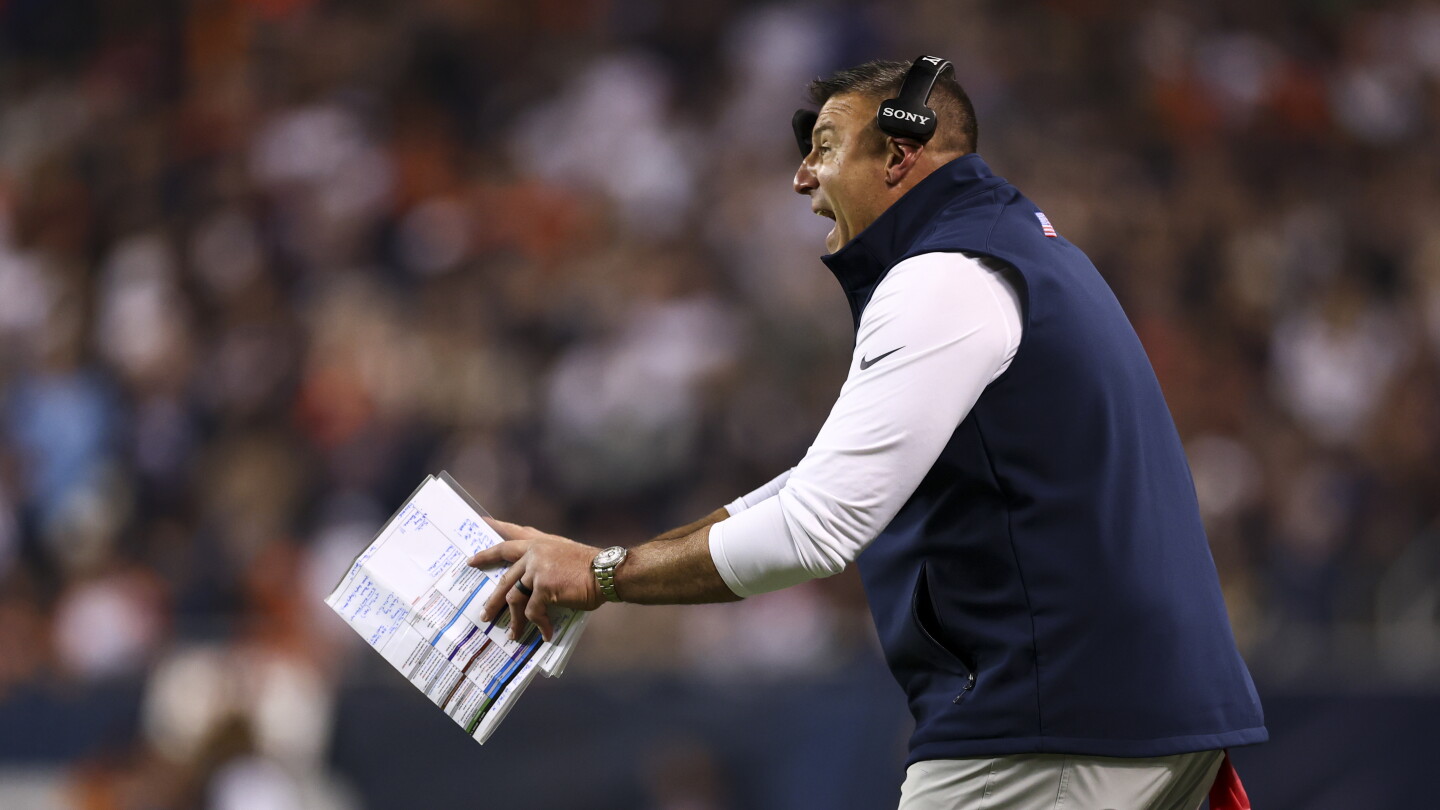
Mike Vrabel clock management: intentional offside penalty explained
Vrabel’s Bears game clock trick was no accident. It was a calculated penalty, and it says plenty about how he wants to win.

Patriots vs. Bears live updates: Drake Maye vs. Caleb Williams
Drake Maye and Caleb Williams meet under the lights as the Patriots and Bears open Week 7. This is more than a Thursday game — it’s a draft-class checkpoint.

Marshall Faulk Parkinson's Disease Diagnosis: Hall of Famer Speaks Out
Marshall Faulk says he’s been diagnosed with Parkinson’s disease and is stressing early detection. The news hits hard, but the message is plain: know it early, face it early.