
Tennessee football recruiting: David Gabriel Georges commits
A five-star back chooses Knoxville, and the ripple effects are immediate.
 Beatrice Kensington5 min read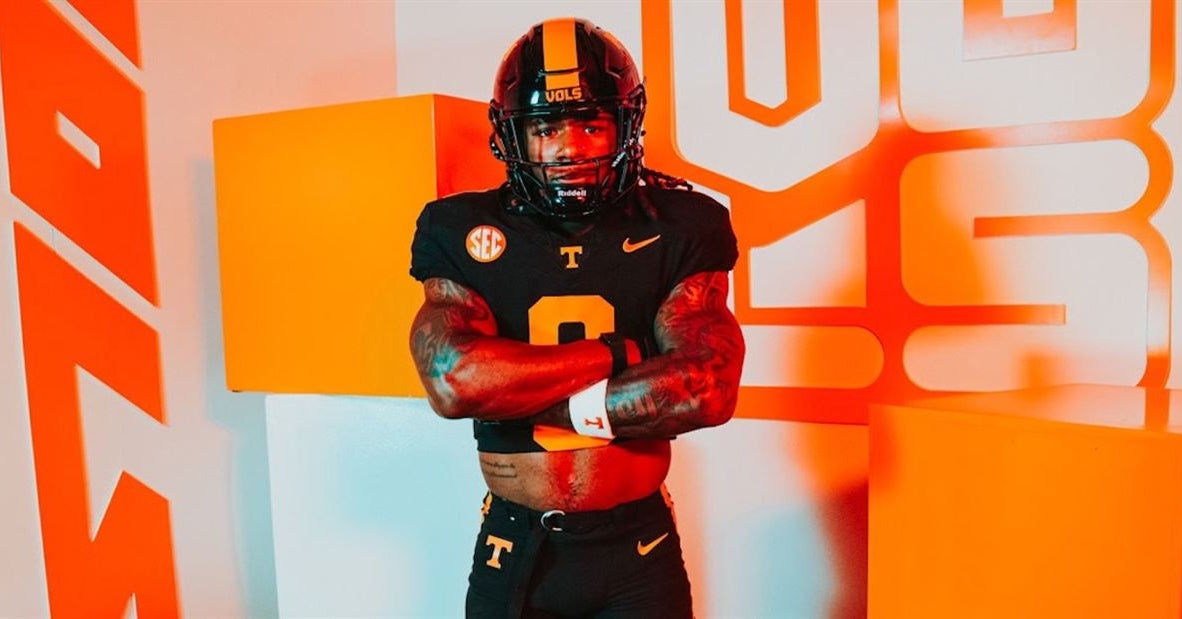
Chattanooga’s Baylor School just produced a decision that will echo far beyond one signing table. Five-star running back David Gabriel Georges chose Tennessee Volunteers football, and in the bright, polished theater of modern recruiting, that is the sort of commitment that changes the temperature in a room. Not forever. But enough to be felt.
The Vols have spent the last several cycles trying to prove that their ceiling is not built out of nostalgia and orange smoke, but out of repeatable talent acquisition. Landing a player with this kind of profile is part football move, part public declaration. Tennessee is not merely hoping to keep pace in the Southeastern Conference; it is insisting on being counted among the programs that can walk into a national conversation and stay there.
A Tennessee commitment with real recruiting weight
Running backs do not carry the same market power they once did in a sport increasingly shaped by spread formations, rotating personnel groups and the ever-present math of roster management. And yet a five-star runner still means something. He means credibility with other recruits. He means tape that travels. He means a staff can point to one elite prospect and say, with a straight face, that blue-chip talent sees a future here.
That matters in Knoxville because Tennessee’s recruiting pitch has always been a delicate blend of history and hunger. The program has tradition, the stadium, the pageantry, the kind of fan base that can make a September afternoon feel like a civic event. But tradition alone does not sign the elite. Players like Georges are the evidence that a staff’s promises have substance.
There is also the geography of this choice, which should not be brushed past. A top prospect from Chattanooga staying in-state is good optics, yes, but it is more than that. Tennessee can sell proximity, familiarity and the idea that the best players in the state do not need to leave to become national names. That pitch has always been part of the power structure in the South, where recruiting borders are often more emotional than administrative.
What Georges gives the Volunteers on the field
A commitment this big invites the easy stuff: highlight clips, star ratings, and the inevitable exercise in imagining what a freshman box score might look like three seasons from now. The more useful question is fit. Tennessee has leaned into speed, space and stress at the offensive level under Josh Heupel, and a premium running back in that ecosystem can do more than pile up handoffs. He can punish light boxes, force defensive coordinators to respect the ground game, and make the play-action game feel even more like a trap door.
That kind of back can also stabilize a roster. College football is a churn machine now, with the transfer portal and early NFL departures turning depth charts into living documents. A premium high school runner is not a guarantee of longevity, but he is a hedge against volatility. He gives Tennessee a foundational piece to build around instead of constantly chasing answers week to week.
And because this sport is never merely about one position group, the effect is wider than the backfield. An elite tailback can help a quarterback, flatten pressure for an offensive line still trying to define itself, and lure other offensive recruits who want to play in a system with actual finisher’s instincts. Talent does not arrive alone. It brings company.
A five-star running back is still a luxury item in college football, and Tennessee just put one in the driveway.
The bigger message for Tennessee’s roster machine
This is where the commitment turns into a referendum on program health. Tennessee has flashed enough under Heupel to be taken seriously, but the next step is turning flashes into habit. The SEC does not hand out credibility in neat annual installments. It demands proof in recruiting classes, in developmental arc, in the ability to hold onto your best players while identifying the next wave.
If Georges becomes the kind of anchor Tennessee believes he can be, the Vols are not just adding talent; they are strengthening the logic of the roster. That logic matters. Programs with staying power tend to have a visible identity in recruiting. They are known for something. Georgia has defensive depth and the aura of inevitability. Alabama built its empire on relentless talent accumulation. Tennessee, in this moment, is trying to make explosive offense and elite skill talent its calling card again.
I’ve always believed recruiting momentum is most valuable when it changes the behavior of everyone around it. One commitment rarely settles a class, but it can alter the way other prospects view the same room. That is the quiet, practical power of a pledge like this. It makes the staff’s pitch sound less like aspiration and more like evidence.
The other piece is psychological. For a program still trying to shed old habits and old doubts, every five-star signing is a tiny demolition of the idea that Tennessee cannot close. That idea lingers longer than it should in college football. It survives coaching changes, good seasons, bad injury luck, near misses. The only reliable cure is repeated success in rooms like this one.
What to watch next in Knoxville
The immediate task is simple and never simple at all: hold the commitment. Recruiting is a long, windy road, full of visits, counter-pitches and the private anxieties of a sport that treats adolescence like a public asset. Tennessee will have to continue making Georges feel not merely wanted, but correctly used.
For the Vols, this also raises the bar for the rest of the class. When a school lands a five-star at a position as visible as running back, the standard shifts. Fans expect movement. Rivals notice. Other recruits notice. The staff is no longer selling possibility; it is being judged against the possibility it has already secured.
And that is the lovely, unforgiving thing about a commitment like this. It is a celebration and a receipt. Tennessee can enjoy the applause now. Later, it will be measured by what this choice becomes when the pads come on and the games start keeping their own counsel.
For the moment, the Volunteers have landed a player who changes the conversation. In this business, that is how reputations are rebuilt—one elegant, consequential decision at a time.
More from Straight From The Bench
Comments
Join the conversation — sign in to leave a comment.
Sign in to commentRelated Stories
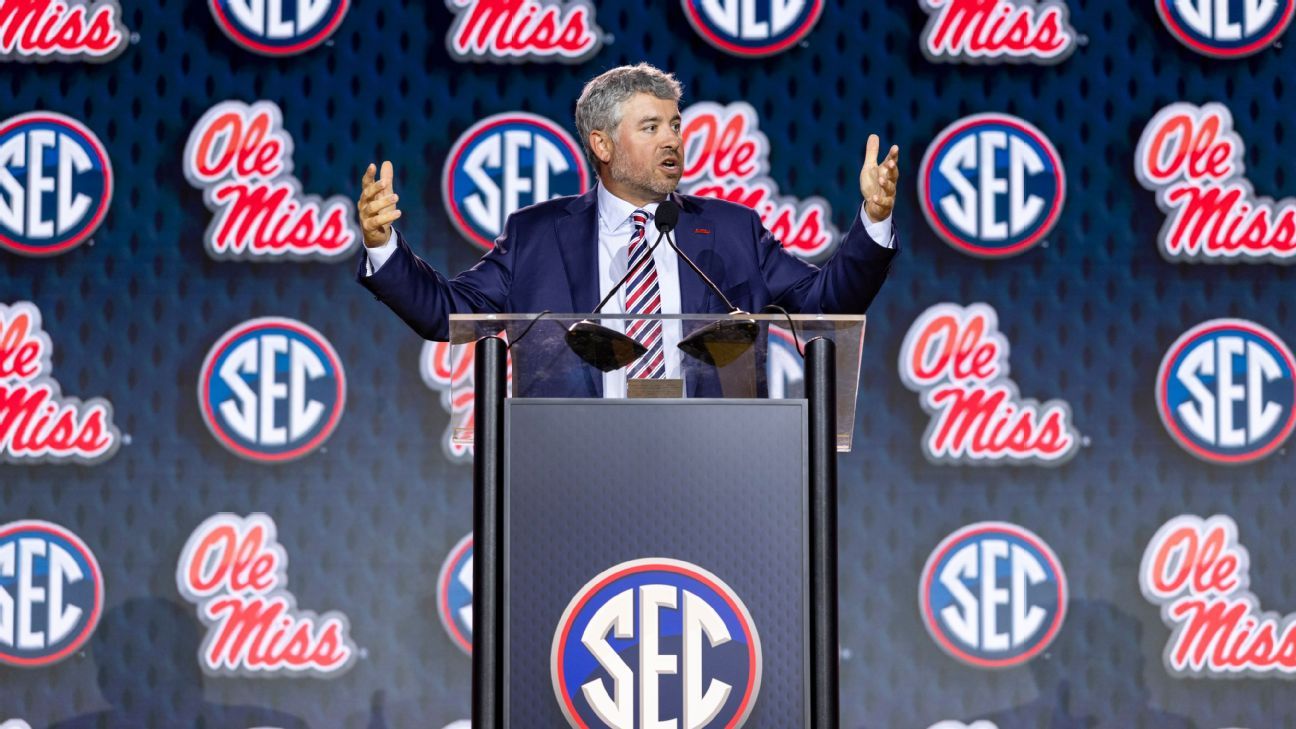
SEC Media Days 2026: Pete Golding, Jon Sumrall headline quips
SEC media days brought the usual mix of swagger, smoke, and a few lines worth keeping. The jokes matter less than the message behind them.
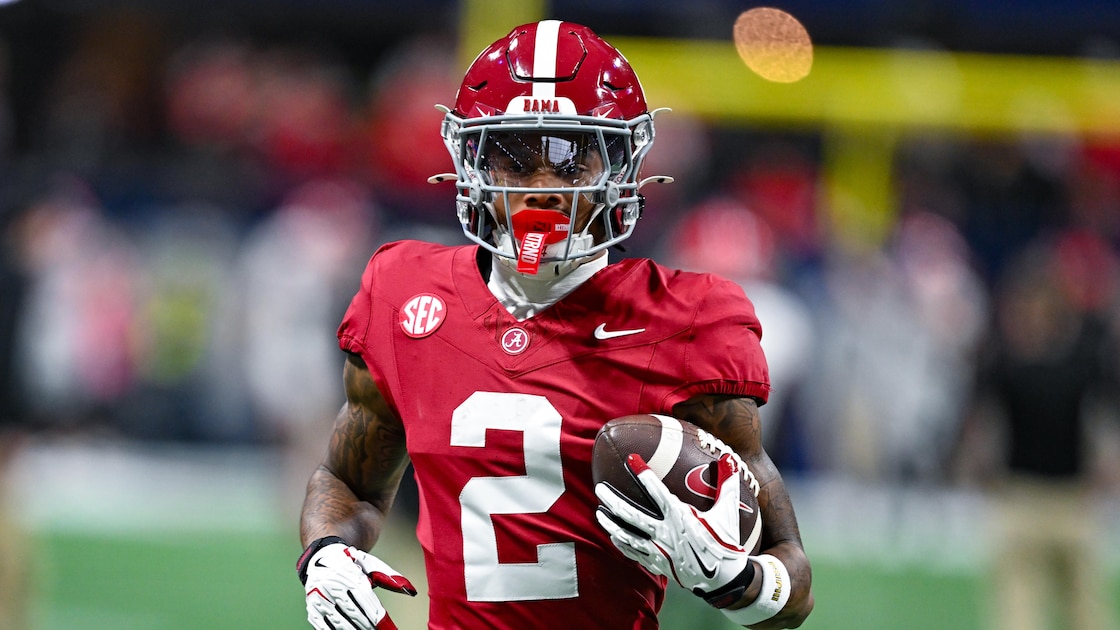
Ryan Coleman-Williams Graduation Update: Alabama WR Turns 19
Ryan Coleman-Williams will graduate from Alabama in December after just two and a half years in Tuscaloosa. The degree is the headline, but the timing tells a larger story about the modern recruiting
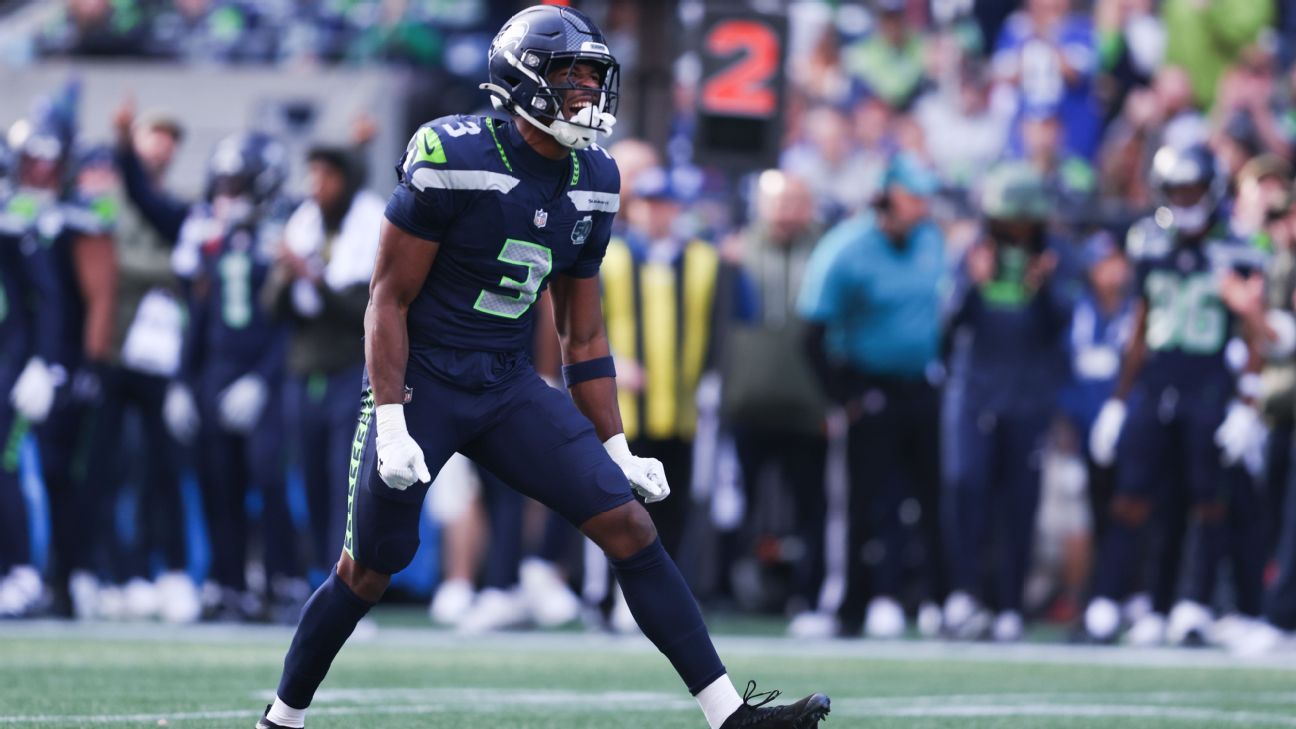
Nick Emmanwori Ankle Surgery Update: Seahawks Expect Week 1
Nick Emmanwori is expected to miss part of camp after right ankle surgery, but the Seahawks still believe he’ll be ready for Week 1. That timeline matters more than the injury itself.