
Tour de France 2026: Tom Pidcock moves fourth after stage 13
A breakaway won the day, but the GC ledger shifted all the same.
 Beatrice Kensington6 min read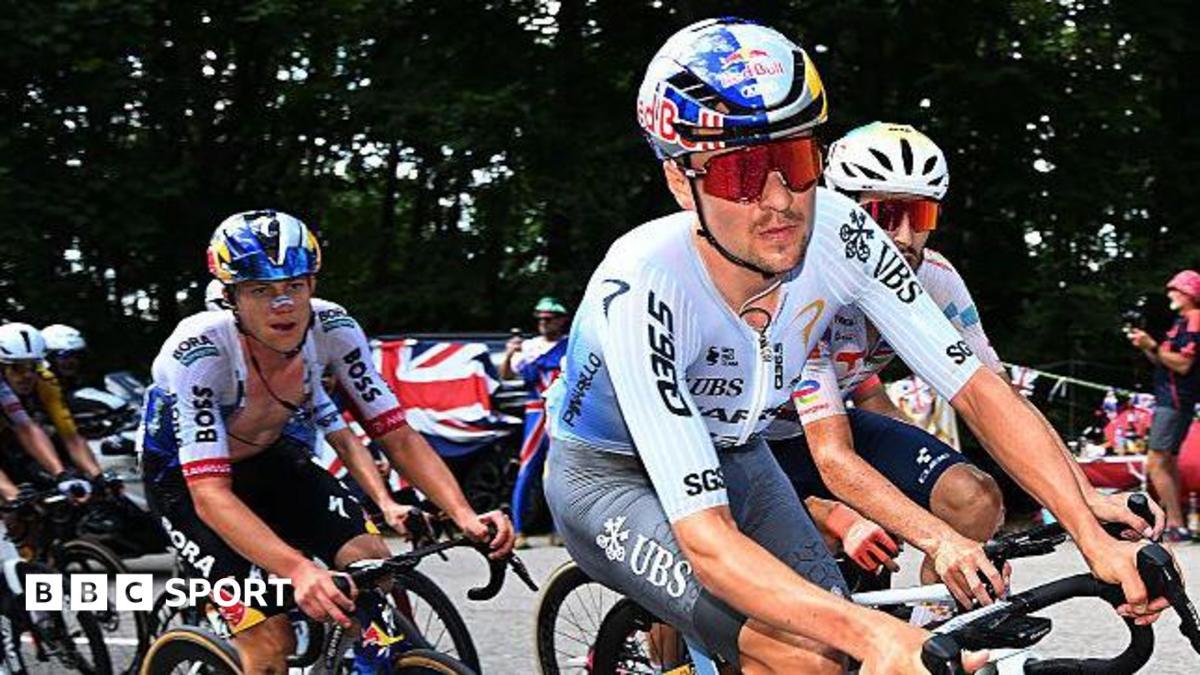
Stage 13 belonged to the fugitives, but the standings heard it anyway
The Tour can make a stage winner feel like a solitary figure on a hilltop, arms raised against a sky that does not care who suffered most to reach it. That was the mood on stage 13, where Switzerland’s Mauro Schmid took the spoils from a breakaway and Britain’s Tom Pidcock quietly rose to fourth overall. One man collected the glory, another collected the consequence. In this race, those are often the same coin seen from different sides.
Pidcock’s advance in the general classification is not the sort of development that comes with fireworks. It is more subtle than that, and in some ways more revealing. The Tour de France is built on attrition; the riders who survive its first two weeks with their ambitions intact are not merely the strongest, but the most resilient to the race’s daily attempts to humiliate them. To move into fourth now is to announce, without theatrics, that the British rider is no longer auditioning for a place among the contenders. He is already there.
Why the breakaway mattered even before the line
A breakaway in the Tour is always a bargain struck in motion. The riders up the road gamble that the peloton will miscalculate, tire, or simply decide the day is not worth the expenditure. The group behind, meanwhile, has to cooperate if it wants to bring them back — a delicate truth the race exposes again and again. When riders from different teams chase, they must share the burden, rotating through the wind, each taking a turn at the front and each hoping the others do not save too much for later. If the cooperation frays, the gap hardens into fate.
That was the story here. Schmid benefited from the breakaway’s discipline and the field’s inability, or unwillingness, to fully erase it. Stage races are full of these small acts of collective failure. No one wants to be the first to spend too much. No one wants to drag the others to a finish line they will not own. And so a day can be lost not in one dramatic collapse, but in dozens of tiny hesitations.
For Schmid, the victory matters because breakaway wins in Grand Tours are not handouts. They are earned in the hard country between appetite and endurance. The young Swiss rider has now placed his name into the Tour’s permanent weather vane: the kind of rider who may not shape the overall battle every day, but can still seize a stage when the road turns honest.
Pidcock’s rise says something larger about this Tour
Pidcock’s climb to fourth overall is the more consequential line in the result sheet. The Tour de France is supposed to expose the limits of versatility, yet Pidcock has made a habit of seeming comfortable precisely where others are least at ease — on steep ramps, on rough edges, in the nervous exchanges where road racing becomes a negotiation with danger. His progression in the standings suggests not merely survival but adaptation.
That matters because the Tour is rarely won by a rider who looks fully formed in the opening act. It is won by someone who can keep changing shape as the race changes around him. Pidcock has long carried the aura of a rider who can do almost anything. The question has never been talent. It has been whether the architecture of a three-week race could hold him, or whether his gifts would remain bright but scattered, like light through cracked glass. Fourth overall says the frame is holding.
The Tour does not reward the loudest rider. It rewards the one still standing after the road has finished asking questions.
And here, I want to step in as Bea Kensington and say this plainly: the romantic impulse in cycling has always been to chase the stage win, the solo flourish, the postcard image of heroism on an empty climb. I understand it. I love it. But the harder truth is that Grand Tours are often decided by men who learn to lose beautifully for two weeks before they begin to win the race in earnest. Pidcock’s positioning feels like one of those quietly significant moments, the kind history only recognizes once the podium has already been built.
We have seen this pattern before. A rider with a compact frame and a restless engine, underestimated because he does not fit the old portrait of a grand-tour brute, starts to gather time not through a single dazzling strike but through consistency, tactical maturity, and the refusal to fracture under pressure. The Tour has a way of turning those qualities into destiny. Or into a cruel lesson. We are not at the final chapter yet, but the page has turned.
The hidden cost of every chase
There is a reason stage wins and overall positioning often drift toward the same names by the third week: every chase extracts a tax. The riders who burn matches to close gaps pay for it later on the climbs, in the wind, and in the small drift of concentration that comes when the legs are full of yesterday. A breakaway’s success is not just a triumph for those in front. It is also a warning to the general-classification men behind them that the race has started asking for more than they planned to give.
For Pidcock, the significance is not simply the number beside his name. It is the message that he is spending the race economically. He is not hemorrhaging time. He is not being rattled into reckless chase. In a Tour that has already shown a taste for punishing overreach, that restraint may matter as much as raw wattage.
This is also why the broader race feels so delicately balanced now. The men ahead of Pidcock cannot ignore him. The men behind him now have a smaller margin for error. Every summit finish, every crosswind, every nervous descent becomes a referendum on whether his climb into fourth was a brief weather pattern or the start of something more durable.
What to watch as the mountains keep asking
The next stages will tell us whether Pidcock’s position is a plateau or a launch pad. The Tour is famous for flattering a rider one day and stripping him bare the next. Fourth overall can be a platform, but it can just as easily be the highest ledge before a long drop. The real test is whether he can keep the jersey number in sight without becoming a prisoner to it.
For Schmid, the stage win should lift his standing inside the race even if it does not transform the general classification picture. For the peloton, it is another reminder that daylight between groups must be treated like a living thing. Ignore it for too long and it grows teeth.
The Tour remains a cruelly beautiful ledger. Schmid gets the stage, Pidcock gets the climb, and the rest of the field gets the knowledge that the race is entering the part where patience becomes a weapon. The mountains are still coming. They always are.
More from Straight From The Bench
Comments
Join the conversation — sign in to leave a comment.
Sign in to commentRelated Stories
Sophie Cunningham Viral Post: One Message, Two Angry Sides
Sophie Cunningham lit a fuse with a post about farmland and data centers, and the internet did what it always does: picked a fight with itself. The Indiana Fever guard ended up annoying everybody and
Tour de France Stage 12 Crash: Collarbone Breaks and Concussion Checks
A late crash in stage 12 sent the Tour into damage-control mode, with collarbone fractures confirmed and concussion checks underway. The sprint stage now has a real aftermath.

Tony Reali After ESPN: Raw, Real, and Ready for the Next Act
Tony Reali is back, and this time the format fits the moment. After a year away from ESPN, he’s turning the page with a new YouTube show and a very different kind of spotlight.