Tyrone Tracy Injury Update: Giants to Place RB on IR
Another bruise for a team already walking a narrow ledge.
 Beatrice Kensington5 min read
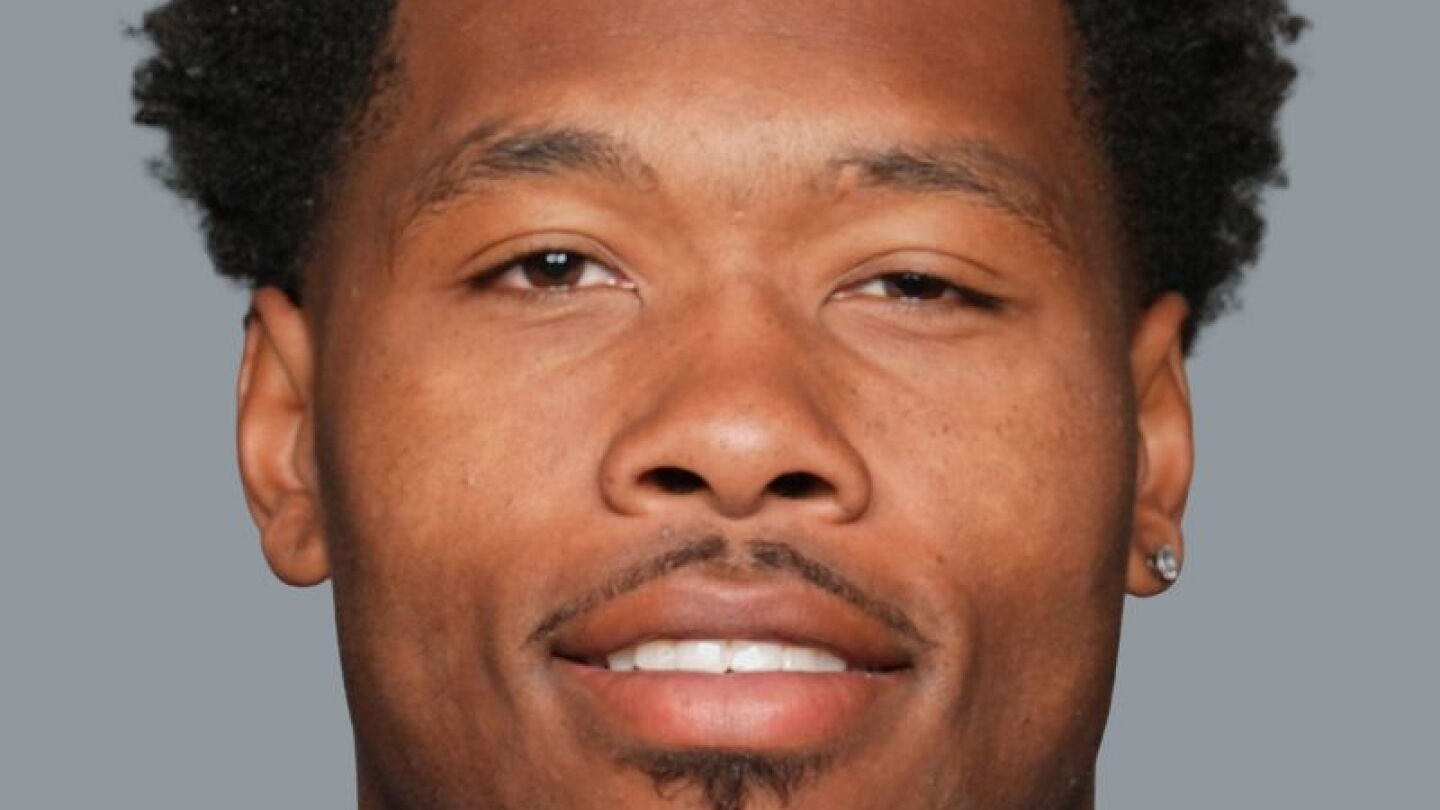
Tyrone Tracy’s trip to injured reserve is the sort of transaction that can pass in a morning dispatch and still alter the texture of a season. A hamstring injury is rarely romantic, rarely dramatic, but for a player whose value is built on burst, balance, and the violent grace of the backfield, it can be enough to pull the floorboards out from under an offense.
The Giants have been living with thin margins for a while. One more absence does not merely remove a runner from the rotation; it changes the shape of a plan that already asks too much from too few reliable pieces. Joe Schoen’s decision to move Tracy to IR is practical football management, yet it also reads like an admission that New York cannot keep pretending durability is something this roster can simply will into existence.
What Tracy’s absence does to a running back room already under strain
Tracy had become more than a body in the backfield. He was part of the team’s effort to manufacture rhythm in an offense that too often has to assemble itself snap by snap. When a back goes down, the easy reflex is to talk about carries redistributed and touches absorbed. The harder truth is that the identity of the offense shifts with him.
The New York Giants have spent too many recent weeks searching for consistency on the ground, and now they will have to do it without a runner who offered a different kind of spark. This is not merely about losing production. It is about losing the possibility of surprise, the possibility that a down and distance might bend in New York’s favor.
That matters because bad offenses rarely die in one grand, cinematic collapse. They fray. They lose a starter here, a rotation piece there, and suddenly the structure becomes so brittle that every third-and-medium feels like an argument with physics.
The larger cost of one more soft-tissue injury
Hamstring injuries are the NFL’s quiet tax. They arrive without spectacle and demand patience no team ever seems to have. They are especially punishing for players whose game depends on acceleration, the first two steps after contact, the ability to turn a crease into daylight before the crease disappears.
For Tracy, the injured reserve stint is not just a pause button. It is a reminder of how unforgiving the league can be to backs trying to establish themselves before the year has fully settled. Young runners do not get many clean auditions in this business. They get a handful of chances, then another defender rolls up, another muscle twinges, another week is lost to the calendar.
The Giants have already spent too much time in the realm of survival football, where the roster is held together by substitutions and hope. If you want a picture of the broader problem, look no farther than the way Jonathan Taylor trade update: Colts owner wants to keep him underscores how prized proven running back health remains across the league. Availability is leverage. Without it, even talented backs become theoretical.
A first-person view from the long road of NFL attrition
I have always believed that the NFL is less a league than a ledger, and every injury becomes a debit the team did not budget for. A hamstring on Tuesday can become a playbook limitation by Sunday, then a philosophical problem by November. The Giants are not alone in this, but they are particularly vulnerable to it because their margin for error is so thin that even a modest absence can feel structural.
There is also a human piece here that gets flattened by the vocabulary of roster moves. Tracy has to spend another stretch on the sideline while others carry the load, and for a player trying to cement himself, that is a hard interruption. The league moves quickly, and the backfield pecking order can change before an injured player gets back to full speed. That is the cruel arithmetic of the sport.
In the NFL, “day to day” is often just a prettier way of saying the season has started to take pieces from you.
What this means for the Giants’ offense now
New York will need cleaner protection, more efficient passing down the field, and a running game that can survive without depending on one specific skill set. If the Giants cannot force defenses to respect the run, the whole offense narrows, and narrowing is death by a thousand paper cuts in a league built on explosive plays.
This is where coaching matters, and where the mood around a team can turn sour fast. When a roster is losing contributors, the staff’s job becomes part psychology, part engineering. You can’t replace a back like Tracy with speeches. You replace him with design, discipline, and the stubborn refusal to let the offense become one-dimensional.
There is a reason injury news like this is never just injury news. It changes how opponents prepare, how teammates are asked to shoulder more, and how fans begin to read the season. The Giants are not being undone by one hamstring. They are being reminded that the NFL punishes fragility at every turn, and that depth charts are only meaningful until the first wave of attrition arrives.
For New York, the next few weeks will say a great deal about whether this offense can absorb loss without losing its shape entirely. The answer will not be elegant. It never is. But it will be telling.
More from Straight From The Bench
Comments
Join the conversation — sign in to leave a comment.
Sign in to commentRelated Stories
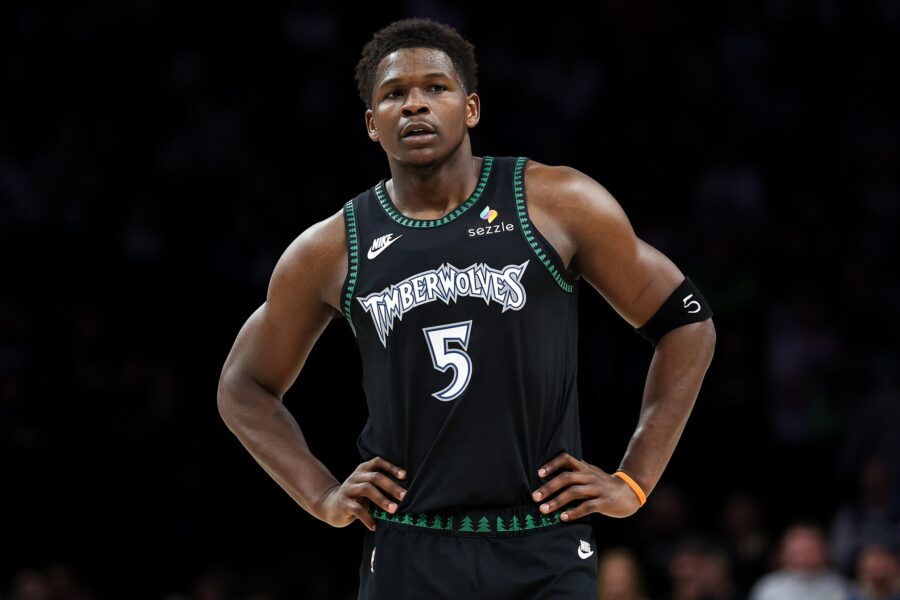
Anthony Edwards Knee Surgery Update: Timberwolves Face Long Absence
Anthony Edwards is headed for knee surgery and could miss more than two months. For Minnesota, this is more than an injury update; it’s a test of identity.

NFL Power Rankings Week 8: Who's No. 1 After First Losses?
The 49ers and Chiefs took their first hits, and Week 8 is suddenly about more than records. Minnesota has a shot to grab the spotlight, but the top of the league is still a mess.
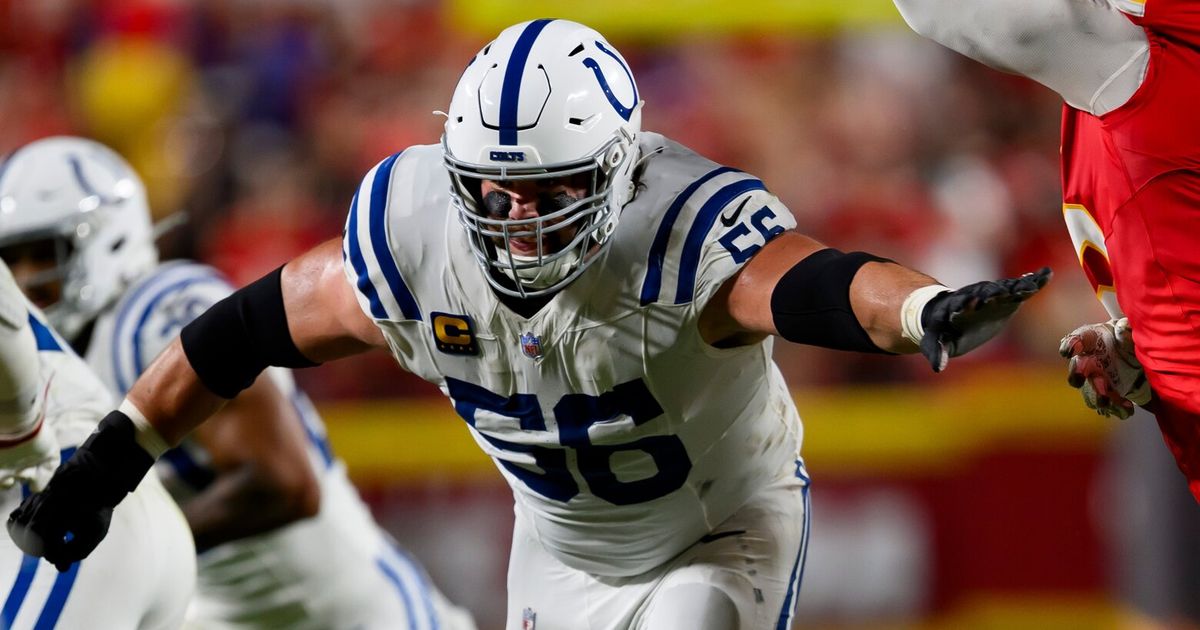
Seahawks Quenton Nelson trade: why Seattle made the right move
Seattle chose the boring-looking move that wins in January: Quenton Nelson. That’s how you build a team that can protect the quarterback and control the line of scrimmage.