
Seahawks Quenton Nelson trade: why Seattle made the right move
They didn’t chase a shiny toy at running back. They fixed the line that actually changes games.
 Zane Miller5 min read
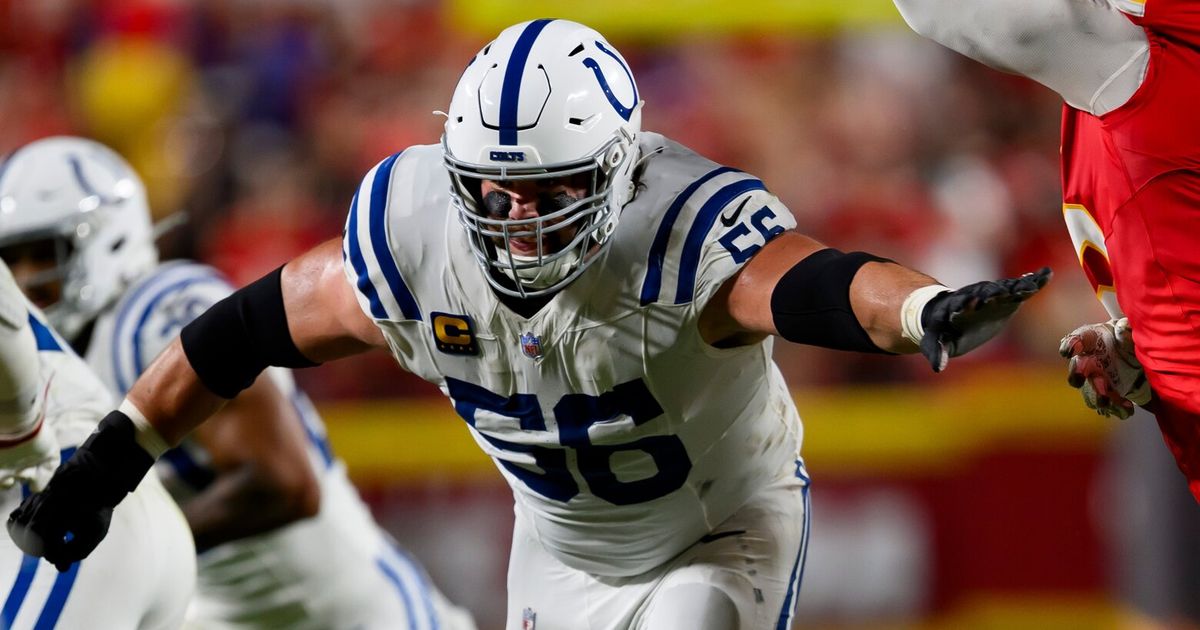
The Seahawks just made the kind of move smart front offices brag about in private and sell in public only after the parade route is mapped out. They went and got Quenton Nelson, and they did it for the exact reason a lot of teams talk themselves out of these deals: because a guard can still tilt a season.
Everyone loves the splashy solution. Running back noise. Big-play chatter. Fantasy football dopamine. But if you’re trying to build something that survives the cold months, you fix the interior first. Seattle did that. And if you’re wondering whether this helps them repeat as champions, the answer starts in the trenches, not in the backfield.
Seattle chose the ugly answer that usually ages best
This is the part fans hate until they see it work. Offensive line upgrades don’t sell jerseys the way a new runner does, but they absolutely sell playoff wins. A guard like Nelson changes how a game feels. Pass rushers get squeezed, pockets stay cleaner, and the run game gets more room to breathe without living and dying on one back breaking a tackle in the open field.
That matters even more for a team trying to repeat. Defenses adjust fast after a title run. They study tendencies, hunt weak links, and force you to win the hard way. If Seattle wanted to stay ahead of that curve, adding a mauling interior blocker is a far better use of resources than chasing another name in the backfield and hoping the math takes care of itself.
You can see the logic in how contenders across the league think about roster construction now. Line play is the premium currency. This is the same lesson teams keep relearning in NFL Power Rankings Week 8: the flashy teams rise, but the balanced ones stick around.
Why Quenton Nelson changes the math up front
Nelson isn’t just a body in the middle. He’s a tone-setter. He allows an offense to call more of what it actually wants instead of constantly protecting for what it can’t do. That is a huge deal for any staff trying to build weekly consistency.
A strong guard also helps everyone else look better. The center isn’t fighting alone. The tackle doesn’t have to overcompensate. The quarterback doesn’t have to speed up his internal clock because pressure is leaking from the inside, which is where offenses tend to unravel quickest. People talk about edge protection all day, but interior pressure is what makes good quarterbacks feel rushed and average ones look lost.
And if Seattle is serious about being more than a one-year story, this is the exact place to spend capital. Running backs are important, sure. Nobody is pretending otherwise. But the league keeps proving that the shelf life on backfield fixes is shorter than fans want to admit. You can draft, develop, and rotate runners. Elite interior offensive line play is harder to fake.
The message to the locker room is bigger than the depth chart
Front offices don’t just make roster moves. They make statements. Trading for Nelson says Seattle believes the core is real and worth reinforcing now, not later. That’s a different kind of confidence than papering over weaknesses with a quick-fix skill position move.
It also says something about how the team sees its identity. If you want to keep winning late in the year, you need to be able to dictate terms. You need to stay on schedule. You need to survive ugly games where the weather turns, the opponent loads the box, and every third-and-short starts looking like a contract dispute with gravity.
This is where I think the Seahawks are being smarter than the typical “more weapons” crowd. I’ve seen enough championship teams to know the pattern: the best ones are not always the most explosive on paper, but they’re usually the least embarrassed up front. When a club makes a move like this, it is telling you the building understands the difference between excitement and infrastructure.
The teams that win in January usually stop shopping for fireworks and start buying leverage.
That’s the entire story here.
What this means for Seattle’s repeat push
If Seattle can stabilize the line, everything else gets cleaner. The quarterback takes fewer hits. The play-action game gets more credible. The staff can lean into balance without feeling like it’s one mistake away from disaster. And the defense benefits too, because sustained offensive drives keep the whole roster fresher.
This also changes how opponents prepare. A team that can control the interior forces defensive coordinators to choose between helping inside or living with more stress elsewhere. That’s how good rosters snowball. One upgrade doesn’t fix everything, but the right upgrade changes the weekly conversation.
You can already hear the groans from the people who wanted a flashier move. That’s fine. Championships are often won by the roster decisions that don’t trend for three days. They show up in December. They show up in January. They show up when the other side is trying to rush the passer through your A-gap and suddenly can’t.
The Seahawks didn’t chase a headline. They chased control. That’s usually how serious teams operate.
Watch the line play first. The rest of Seattle’s season will probably follow it.
More from Straight From The Bench
Comments
Join the conversation — sign in to leave a comment.
Sign in to commentRelated Stories

NFL Power Rankings Week 8: Who's No. 1 After First Losses?
The 49ers and Chiefs took their first hits, and Week 8 is suddenly about more than records. Minnesota has a shot to grab the spotlight, but the top of the league is still a mess.
Jonathan Taylor trade update: Colts owner wants to keep him
Jonathan Taylor stays at the center of the Colts' mess, but ownership reportedly wants to keep him. That changes the temperature, not the argument.
Tyrone Tracy Injury Update: Giants to Place RB on IR
The Giants will send Tyrone Tracy to injured reserve, a reminder that running back depth is never a luxury in the NFL. For New York, this is a small move with outsized consequences.