Brian Schottenheimer postgame availability: why his tone changed
A win over Philly, a fast exit, and a coach who clearly had enough.
 Zane Miller5 min read
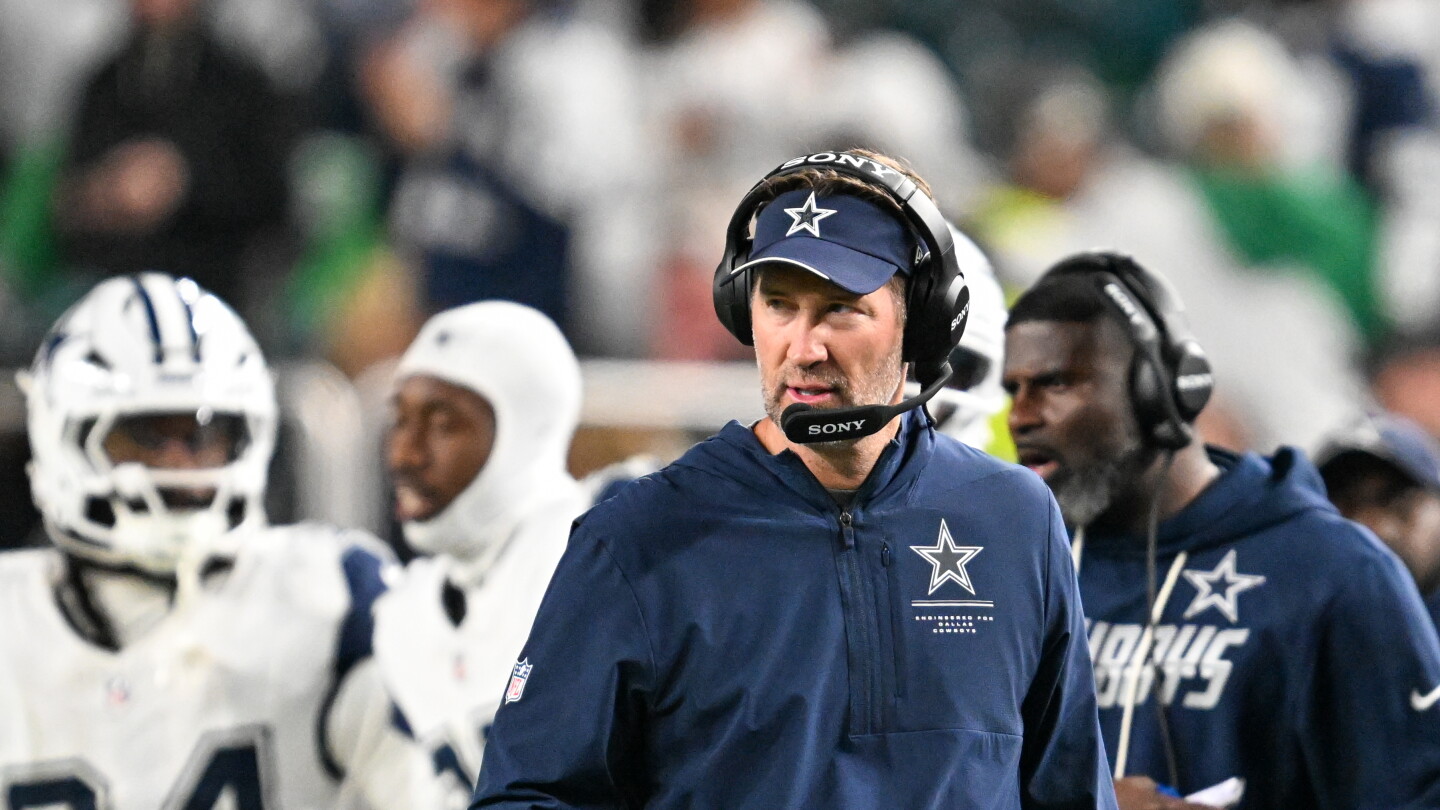
Brian Schottenheimer didn’t exactly sneak out of the room after beating the Eagles, but he sure moved like a man who had heard enough for one night. After averaging almost 13 minutes in his first six postgame news conferences this season, his Monday night availability lasted barely four. That’s not a footnote. That’s a signal.
A 38-21 win over Philadelphia should have bought a coach some breathing room, some shine, maybe even a little victory-lap energy. Instead, Schottenheimer came in, answered what needed answering, and got out. Fast. For anyone who watches the tone of a sideline as closely as the box score, that kind of shift matters. Coaches don’t just talk differently when they win. They talk differently when they’ve decided the conversation is over.
The clock told its own story
The best part of a postgame press conference is usually not the quote everyone screenshots. It’s the cadence. Long answers usually mean a coach feels in control, or at least comfortable enough to explain the moving parts. Short answers can mean irritation, fatigue, or a very deliberate choice to keep the room on a need-to-know basis.
Schottenheimer’s Monday night session had that clipped feel from the jump. No meandering. No real opening for a reporter to drag the thing into the weeds. Just enough to satisfy the obligation and get back to the work that actually matters: the locker room, the film, and the next opponent.
That’s not automatically a problem. In fact, some front offices would probably love it. The modern NFL coach is under constant pressure to explain every detail, every decision, every emotion, every minor tactical wrinkle. Most of them hate it. When a coach shortens the conversation after a win like this, it can be a sign he’s protecting energy, protecting the message, or both.
For Dallas, that message is probably simple: the Eagles game was a statement, but it was still one game. No parade. No self-congratulation. No need to feed a media cycle that can spin a decent answer into a week-long storyline.
A big win changes the temperature, not the job
Beating Philadelphia always changes the air around a team. It does it in the standings, in the locker room, and in the league-wide conversation. The Dallas Cowboys don’t get judged on one night, but nights like that absolutely move the lens. They sharpen expectations. They raise the noise level. They make every follow-up answer harder.
That’s why Schottenheimer’s quick exit feels interesting. A coach can win and still be in complete management mode. He can know the next 10 questions before they’re asked. He can also know that every postgame microphone is now attached to bigger questions: Was this a turning point? Is the offense finally where it needs to be? Can this carry over? Are the Cowboys actually for real?
The shorter availability suggests he wasn’t interested in playing that game.
And honestly, I get it. In the NFL, the postgame podium is often where people try to turn one clean win into a referendum on the entire season. That’s fine for TV. It’s less useful for a coach trying to build habits. Schottenheimer seems to have opted for the latter.
The fastest answer a coach can give after a statement win is often the loudest one.
What the shortened session says about this staff
This is where the nuance matters. Schottenheimer has not spent the season acting like a guy desperate to be a soundbite machine. His first six postgame availabilities averaging almost 13 minutes tells you he has been willing to engage, explain, and absorb the grind. So when that drops off sharply after a win of this size, the contrast jumps off the page.
It could mean he was simply tired. The NFL week is a furnace, and big division games are draining before the first question is even asked. It could also mean he had no appetite for the victory-tour treatment. Those are different things. Either way, it tells you something about the internal temperature of the building.
The NFL is full of coaches who talk a lot when things are uncertain and less when they feel the structure tighten. This version reads like the latter. The Cowboys had a good night. Schottenheimer didn’t feel the need to sell it.
That restraint has value. Teams chasing consistency usually do better when their coach doesn’t start treating a single result like a personality test. The season is long. The schedule keeps coming. The tape never lies, and neither does the next opponent.
If you want the broader takeaway, it’s this: there are still coaches who believe the podium should never become part of the game plan. Schottenheimer looked like one of them Monday night.
Why fans should pay attention anyway
Fans often dismiss these little media moments as background noise. They’re not. Not in a market like Dallas, where everything gets magnified. The tone of a coach’s public availability can foreshadow how much he trusts his message, how much he wants to reveal, and how much pressure he thinks is building around the edges.
This also plays into the bigger Dallas ecosystem. The Cowboys are always a headline team, which means any sign of friction, fatigue, or tight-lipped control gets layered into the weekly narrative. That’s why even a four-minute postgame session becomes newsworthy. It’s part of the profile.
And if you’ve been tracking the rest of the league, you already know how quickly these things can connect. One strong win can alter the conversation around a team’s quarterback, its play caller, its next roster move, even the tone of its own fan base. We’ve seen it across the league in different forms, from the ripple effects in NFL Week 8 power rankings to the way every injury and depth-chart wrinkle gets reevaluated in real time, like the Tyrone Tracy injury update has shown elsewhere.
My read? Schottenheimer wasn’t trying to be mysterious. He was trying to keep the edges sharp. Coaches know the postgame microphone can turn into a momentum tax if you let it run too long. Monday night, he paid the minimum.
And in this league, that usually means he thinks the real conversation happens on the field.
Watch the next availability. That’ll tell you whether this was just a short night or a deliberate shift in how he wants to manage the room moving forward.
More from Straight From The Bench
Comments
Join the conversation — sign in to leave a comment.
Sign in to commentRelated Stories

NFL Power Rankings Week 8: Who's No. 1 After First Losses?
The 49ers and Chiefs took their first hits, and Week 8 is suddenly about more than records. Minnesota has a shot to grab the spotlight, but the top of the league is still a mess.
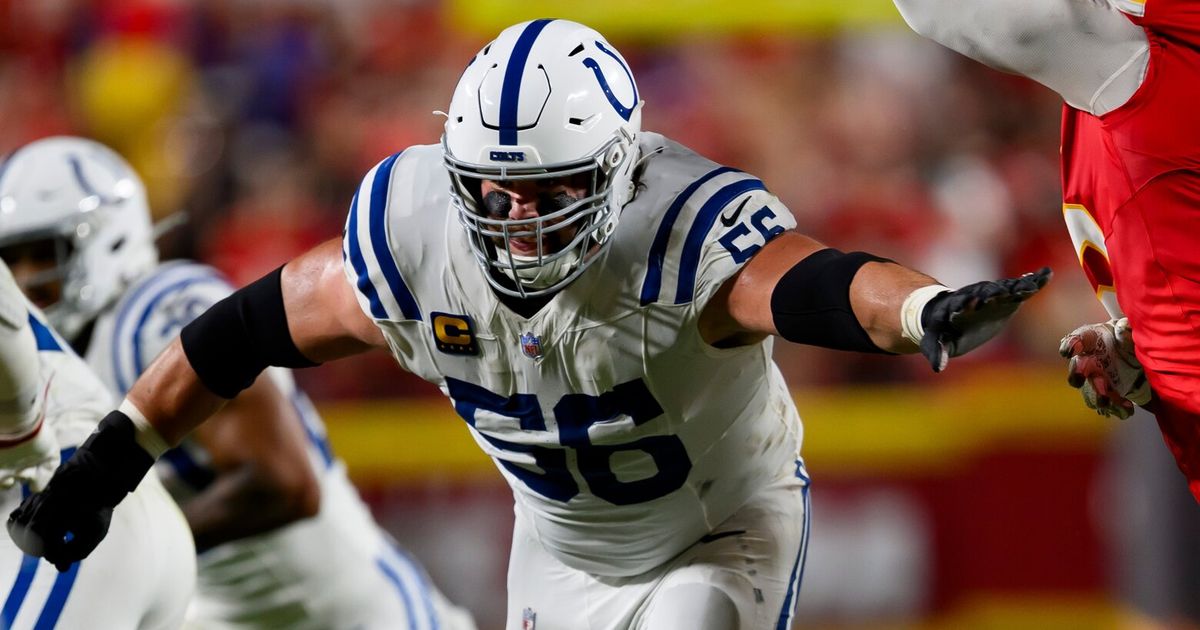
Seahawks Quenton Nelson trade: why Seattle made the right move
Seattle chose the boring-looking move that wins in January: Quenton Nelson. That’s how you build a team that can protect the quarterback and control the line of scrimmage.
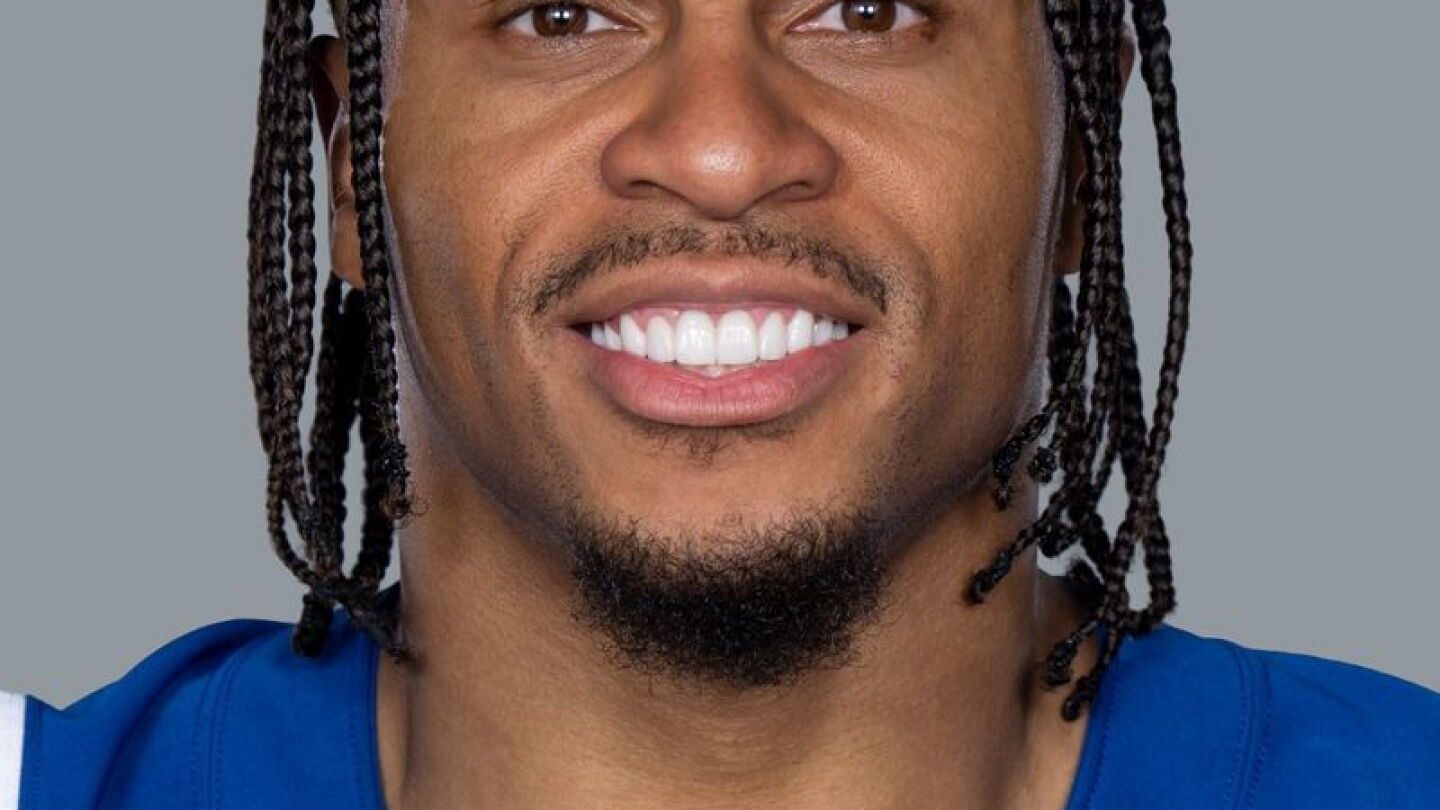
Jonathan Taylor trade update: Colts owner wants to keep him
Jonathan Taylor stays at the center of the Colts' mess, but ownership reportedly wants to keep him. That changes the temperature, not the argument.