
Wimbledon 2026: 50 Parting Thoughts From Centre Court
The Czech women brought the hammer. Sinner brought the nerve. The rest brought the receipts.
 Leo Lupo6 min read
The grass told the truth again
Wimbledon has a funny way of sanding down the nonsense. All the marketing, all the rankings, all the glossy talk about “momentum” gets kicked into the hedges once the matches start on grass. This year, Wimbledon did what it’s been doing for generations: it rewarded balance, nerves, and the ability to handle a bad bounce without sulking like a spoiled nephew.
The biggest theme out there was the Czech women. They didn’t just show up and make a pleasant little run. They dominated. That matters because tennis loves to pretend depth is a luxury. It isn’t. It’s survival. When a nation keeps producing players who know how to solve the same grass-court puzzle in different ways, that’s not luck. That’s a system. The Czech women had the sort of fortnight that makes a locker room sit up and take notice.
And then there was Jannik Sinner. Redemption is a dangerous word in sports because it gets tossed around every time a star stops tripping over his own shoelaces. But Sinner earned the right to hear it. He didn’t stumble into a good story. He built it point by point, game by game, with the cold face of a man who knew the last time around wasn’t good enough. On the lawns of the All England Club, that still counts for something.
Wimbledon doesn’t care who you were in May. It only cares what your hands look like in July.
The Czech women were not a cute storyline
Enough with the “nice surprise” routine. The Czech women were not some charming side note in a grand British summer postcard. They were a force. Disciplined. Deep. Unafraid to take the match by the throat when the surface got skittish and the margins got tiny.
Grass exposes soft habits. You can hide on clay with a moonball and a prayer. You can survive hard courts if your engine is good enough. Grass? Grass asks if you can volley without flinching, serve under pressure, and make your first strike count before the rally turns into a coin flip. The Czech players had answers. That’s the part people should remember when the highlights fade.
For the women’s game, this is the kind of showing that shifts the temperature of a tour. It tells the rest of the field that the same old flags do not own the conversation anymore. And if you think that kind of depth doesn’t matter in the second week of a major, try surviving a draw when three or four women from one country are all making life miserable in different corners.
Sinner didn’t win with charm. He won with steel
Sinner’s title run was never about theater. No big-time grins. No stage-managed swagger. Just work. He looked like a player who had read the script from the last major and decided the ending was insulting. That’s the difference between a good player and a champion on a mission. One collects applause. The other collects answers.
The neat part is that his game travels. That matters at Wimbledon more than almost anywhere else. The grass still asks old questions. Can your serve hold up? Can you block a return low enough to keep the attacker honest? Can you stay patient when the ball sits up just enough to tempt you into a bad swing? Sinner said yes to all of it.
There’s a lesson in that for the younger crowd trying to force the door down in men’s tennis. Talent gets you invited. Temperament gets you through the lobby. The winners are the ones who don’t blink when the set turns sideways. Sinner looked like a man who had already sat through the ugly part and didn’t mind the company.
The old grass-court lessons still apply
Every year, somebody tries to declare tennis has evolved past the old rules. Then Wimbledon arrives and laughs in their face. Serve. Return. First ball. Nerve. That’s the meat and potatoes. You can dress it up in analytics if you want, but the grass still strips players down to the essentials.
That’s why the event keeps mattering even in an era where the calendar is packed and the attention span is short. Wimbledon isn’t just another major. It’s the one that refuses to flatter lazy patterns. A player with a pretty baseline game can look magnificent in March and ordinary in July. A player with a rough, honest game can suddenly look like royalty if the serve is biting and the feet are light.
The Czech women understood that. Sinner understood that. A lot of others didn’t.
What this fortnight says about the sport’s next turn
I’ve been watching this racket circus long enough to know a trend when I see one, and this one has some legs. The women’s side keeps drifting toward national clusters of strength, not just lone wolves carrying the whole country on their backs. That’s healthier for the sport. It builds pressure. It builds habits. It makes the majors less predictable, which is the only honest way to sell competition.
As for Sinner, I’ll say this plain: the best players usually win the title that answers the loudest question about them. Sometimes it’s power. Sometimes it’s patience. Sometimes it’s whether they can climb back after a bruise to the ego. Sinner answered his.
I’ve seen plenty of champions who looked marvelous until they got poked. Then the seams showed. Sinner didn’t look stitched together. He looked assembled. There’s a difference, and it shows up in the fifth set, or the tiebreak, or the brutal little moment when your legs are tired and your opponent smells it. That’s where careers get sorted.
The rest of the tour should take notes, though I doubt many will. Pride gets in the way of learning, and tennis players can be as vain as nightclub peacocks when the cameras are rolling. Still, the message is there in the grass. Build depth. Build nerve. Build a game that holds together when the surface starts talking back.
One last thing before the strawberries go stale
Wimbledon 2026 left behind a clean set of storylines and a few bruised egos, which is how it ought to be. The Czech women announced themselves properly. Sinner got his good name back in the only language the sport respects. And Centre Court, once again, kept the receipts.
The next hard court swing will bring its own noise. Let them talk. Grass already said enough.
More from Straight From The Bench
Comments
Join the conversation — sign in to leave a comment.
Sign in to commentRelated Stories
Jannik Sinner Wimbledon win: repeats as champion over Zverev
Sinner outlasted Alexander Zverev in four tense sets to defend Wimbledon and silence the French Open ghosts. The No. 1 player just added a different kind of proof.

Wimbledon 2026 Photos: Stars, Straw Hats and Centre Court Style
Wimbledon’s final weekend brought the usual polished crowd and a little extra sparkle. The white lines held the center stage, but the stands were doing their own performance.
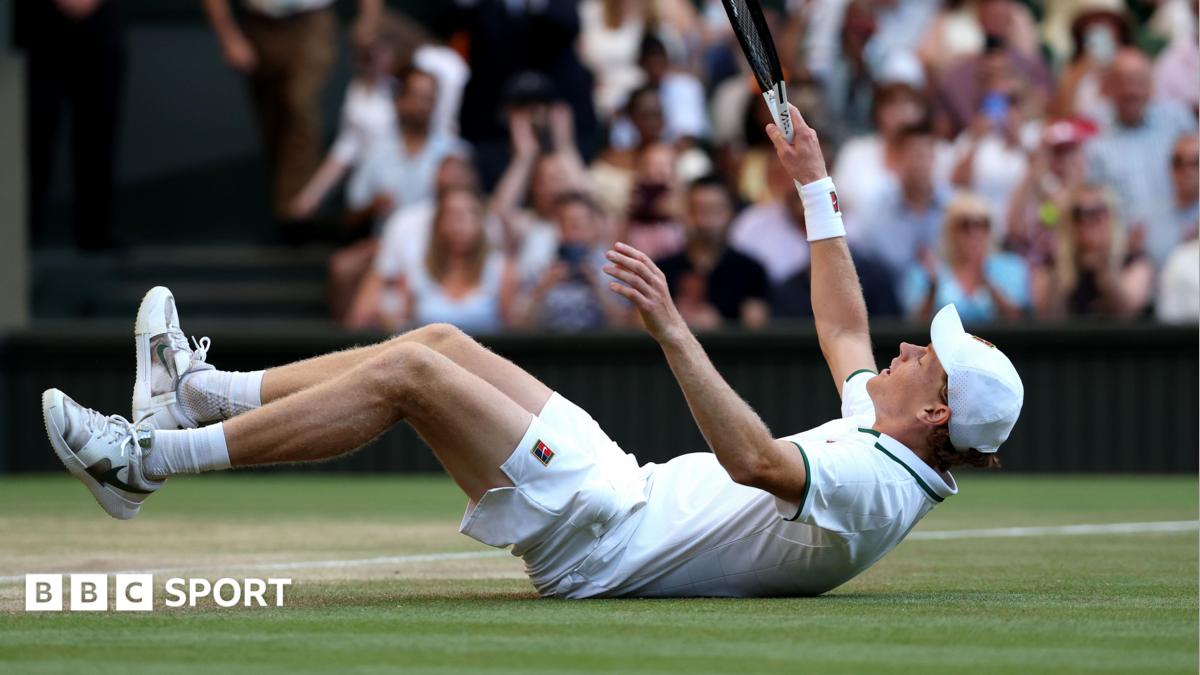
Sinner’s second Wimbledon was built on nerve, not just brilliance
Jannik Sinner held off Alexander Zverev to defend his Wimbledon crown, and the victory said as much about nerve as it did about talent.