
WNBA coaches backlash over transgender athlete comments
A simple answer turned into a league-wide mess. Funny how fast that happens.
 Leo Lupo6 min read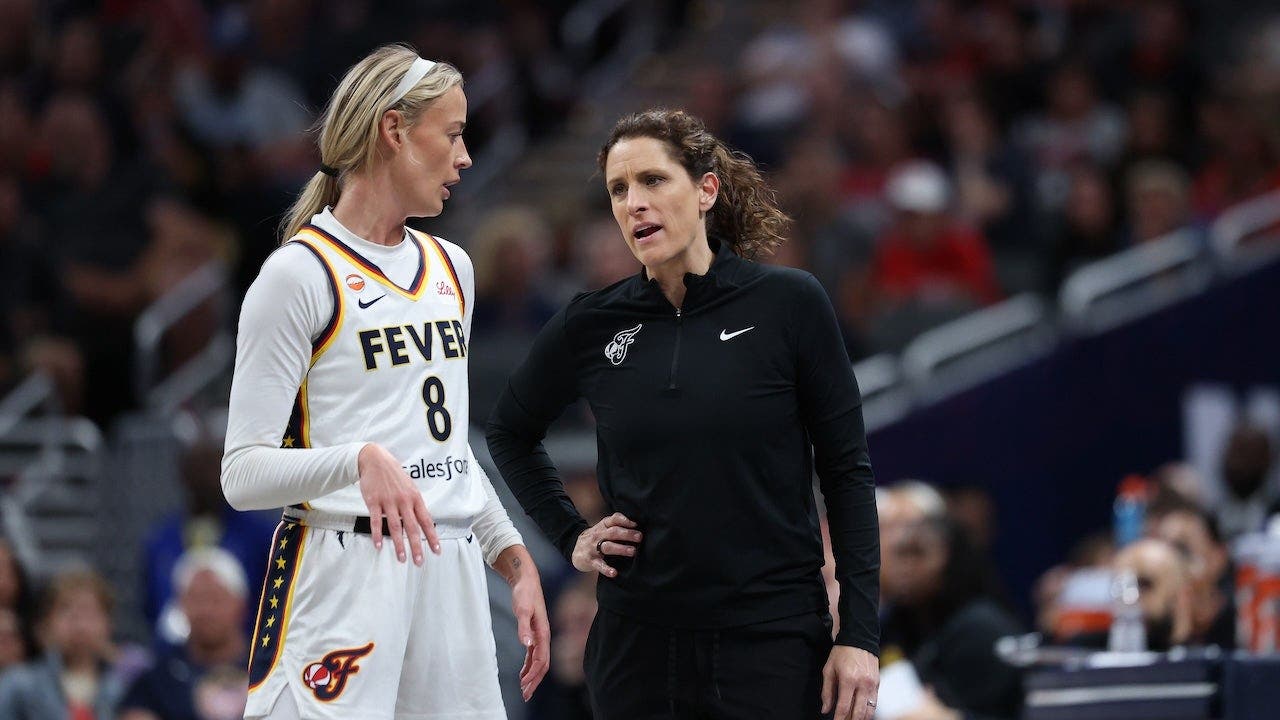
The WNBA didn’t need a fresh firestorm. It got one anyway, courtesy of three head coaches who found themselves answering the kind of question that can turn a postgame scrum into a political cul-de-sac. The issue wasn’t that people have opinions. Everybody does. The problem was the answers landed flat, sounded coached by a committee, and left a lot of women’s basketball fans feeling like the league was dodging a hard conversation with both feet.
This is where sports gets slippery. The league sells competition, toughness, identity, and community. Then the room gets asked about protecting women’s sports, and suddenly half the audience wants clarity, the other half wants caution, and the coaches are standing there like they just got handed a live wire with no gloves. No one enjoys it. But if you’re going to work in a league built on women’s opportunity, you don’t get to act surprised when the issue of women’s sports comes knocking.
A bad week for simple answers
The blowback didn’t come out of nowhere. WNBA fans have been noisy for a while, and they’re not shy about telling the league when they think it’s talking around a subject instead of through it. When three coaches stumble through the same territory in the span of two days, it stops looking like isolated awkwardness and starts looking like a league-wide communication problem.
That’s the heart of it. Not the politics. The message. Or lack of one.
Fans can forgive a lot in this sport. Missed layups. Sloppy transition defense. A bad challenge call that makes everybody in the arena groan. What they hate is feeling patronized. If a coach sounds like they’re reading from a binder instead of speaking plainly, the crowd smells it immediately. And this crowd, especially, is not in the mood to be talked down to.
The WNBA has spent years fighting for respect, airtime, and investment. That fight has brought real growth, better crowds, and a stronger identity. But growth also means more eyes, more scrutiny, and more chances to step on a rake. This week, the rake was sitting right in the middle of the press conference floor.
Why the reaction hit so hard
Part of the heat comes from the league’s audience itself. WNBA fans are passionate, organized, and fiercely protective. They don’t just consume the product; they defend it. That’s a blessing until it isn’t. Once people believe the league is soft-pedaling a topic tied to fairness in women’s sports, they come in hot and stay hot.
The modern women’s game sits in a tough spot. It wants the wide-open, inclusive image that every major league chases now. It also has to guard the idea that women’s sports are distinct and worth protecting on their own terms. Those two things can exist in the same building, but not if the people speaking for the league sound like they’re afraid of the second half of the sentence.
There’s also the timing. The backdrop here involves the Indiana Fever, Stephanie White, and the kind of attention that follows when a team and a player like Sophie Cunningham are in the spotlight. Once a league already under a microscope starts issuing awkward public responses, the story swallows the basketball. That’s bad for everybody except the folks who live off manufactured outrage.
The league’s real problem is tone, not just policy
If the league wants to stop getting hammered, it has to stop sounding like it’s afraid of its own fans.
That’s the blunt truth. This isn’t only about what was said. It’s about how it was said. A coach can disagree, hedge, or avoid the question, but the public can hear the difference between a thoughtful answer and a canned escape hatch. Fans are not dense. They know when somebody’s trying to get through a media session without saying anything that could be clipped and replayed for a week.
And that’s where leadership matters. The Indiana Fever are one of the league’s most visible teams right now, and Stephanie White is not talking to a basement audience. Every answer gets amplified. Every shrug gets interpreted. In a league like this, silence is never neutral. It reads as weakness if the room thinks you’re hiding, and it reads as contempt if the room thinks you’re pretending the issue doesn’t exist.
I’ve been around long enough to know this much: sports leagues almost never get in trouble for having a position. They get in trouble for sounding slippery. Fans can live with a hard line. They can even live with a position they hate, if it’s stated cleanly and with some backbone. What sets people off is the polished non-answer, the sort of PR soup that leaves everybody angrier than before. That’s what this week felt like.
I’m old enough to remember when leagues treated controversy like a skittish horse. Keep calm, don’t spook it, maybe it’ll wander off. Doesn’t work anymore. Not in the era of instant clips and pile-ons and everybody with a phone acting like they’re on the fifth deck with a headset. The league has to be able to talk about women’s sports as women’s sports without sounding like it’s apologizing for the concept.
What this means for the WNBA moving forward
If the WNBA is smart, it stops treating these questions as traps and starts treating them like inevitable parts of the job. The league can’t control every reaction, but it can control whether its representatives sound prepared. That means better messaging, cleaner language, and coaches who know the difference between being careful and being evasive.
It also means the league has to understand its audience better than it apparently did this week. A lot of fans come to the WNBA because they believe women’s basketball deserves its own space, its own standards, and its own respect. That doesn’t make them easy or simple, no matter how much some people like to caricature sports fans that way. It makes them invested. There’s a difference.
And when you’ve got investment, you’ve got accountability. The WNBA has earned a lot of good will by building real momentum on the court and off it. But goodwill leaks fast when people feel the league is ducking questions that cut to the core of why women’s sports exist. That’s the kind of thing that lingers. Fans don’t forget. They just wait for the next chance to bring it up.
This whole mess is a reminder that the league’s public voice still isn’t as polished as its product. That gap matters. Basketball may be played between the lines, but the business of the game gets judged everywhere else.
The next few days will tell us whether this was a noisy detour or the start of a bigger crack in the wall. Either way, the WNBA would be wise to clean up its language before the fans do it for them.
More from Straight From The Bench
Comments
Join the conversation — sign in to leave a comment.
Sign in to commentRelated Stories
Kelsey Plum Trade: Sparks Send All-Star to Mercury
Los Angeles moved a marquee name and Phoenix paid in picks and upside. The deal says as much about the future as the present.
Sophie Cunningham: Blunt Message After Booing Portland Crowd
Portland gave Sophie Cunningham the whole courthouse treatment, and she gave it right back with the kind of shot-making that travels anywhere.
Caitlin Clark Triple-Double: Fever Win Fifth Straight Over Portland
Caitlin Clark delivered her fourth career triple-double as Indiana stretched its winning streak to five. The Fever are starting to look like a real problem.