
World Cup Half-Time Show: FIFA’s Spectacle Era Arrives
The pitch is no longer the only stage, and that changes the sport’s old bargain.
 Beatrice Kensington6 min read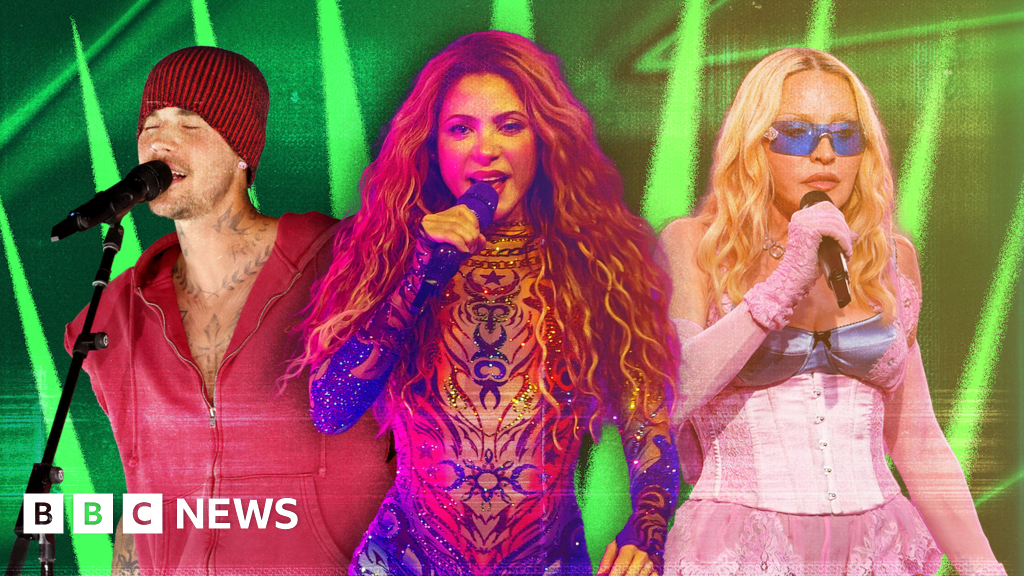
A halftime break that looked more like a festival stage
The 2026 World Cup is still a year away, but the argument has already arrived in full costume. FIFA, never shy about enlarging its own shadow, appears intent on turning the tournament’s final act into a global entertainment event, with a halftime show that owes as much to the logic of the Super Bowl as to the traditions of football. This is not a small cosmetic adjustment. It is a statement about what the World Cup wants to be in the modern age: not simply the grandest sporting competition on earth, but a carrier for spectacle, commerce, and cultural symbolism all at once.
That shift did not begin in a vacuum. At last year’s Club World Cup final in New Jersey, FIFA staged a 24-minute halftime featuring Coldplay, J Balvin, Doja Cat, and Tems — a lineup designed to speak in a dozen directions at once, to as many audiences as possible. It was ambitious, glossy, and unmistakably calculated. The message was plain enough. Football was no longer being asked to share the stage with music. It was being asked to make room for it.
The line between celebration and intrusion
There is nothing inherently sinful about a performance during a football event. Sport and music have orbited one another for generations, from terrace songs and national anthems to opening ceremonies that try, sometimes awkwardly, to dress competition in pageantry. But the World Cup occupies a different register. It is not a domestic league match with a DJ booth in the corner. It is the FIFA World Cup, a tournament whose legitimacy rests on the sense that the game itself remains the main event, the sacred object around which all else revolves.
That is why the debate has teeth. Fans are not merely grumbling about show business. They are asking whether the tournament is beginning to imitate the attention economy that has hollowed out so many other institutions. When every pause must be monetized, every broadcast break turned into a cultural moment, the sport risks becoming a frame for everything except the sport.
The irony, of course, is that football has always lived comfortably beside spectacle. The 2026 FIFA World Cup will already be the largest edition in history, stretched across the United States, Canada, and Mexico, its scale so vast that even the logistics feel like a performance. FIFA knows this. It also knows the tournament will be watched by people who may care as much about halftime acts, celebrity cameos, and broadcast polish as they do about tactical nuance or a winger’s first touch. That is not a moral failure. It is a market.
What the Club World Cup trial run really signaled
The Club World Cup final in New Jersey was the clearest warning shot, or preview, depending on your appetite for such things. FIFA does not stage a 24-minute musical interlude by accident. It does so because it wants to test the elasticity of its own brand. New Jersey, with its proximity to New York and its familiarity with large-scale entertainment production, offered a controlled environment for a trial that was never only about music. It was about audience behavior, broadcast rhythm, sponsorship inventory, and the way a global football audience responds when the match is deliberately interrupted by another form of show.
For some viewers, the performance will have felt like harmless theater. For others, it may have looked like a wedge being driven into the match-day experience. Both reactions are understandable. But the deeper issue is this: once FIFA proves it can sell a halftime spectacle, it will be tempted to do it again, then again, then on bigger occasions, with more production value and tighter commercial logic. The tournament becomes a platform, and platforms always want more content.
The fear is not that music will ruin football. The fear is that football will be made to wait politely while everything else takes the spotlight.
What this means for the sport’s identity
This is where the cultural stakes sharpen. The World Cup has always been a rare thing in global life: a contest that can still feel older than the marketing around it. Strip away the sponsors and the camera cranes, and there is still the elemental drama of nations, memory, and pressure carried by a single ball. That durability is why people return to it. It does not need much ornament to matter.
Yet FIFA, with the instincts of a giant entertainment corporation and the habits of a political institution, keeps reaching for more. It wants the event to be transcendent and lucrative, traditional and trend-conscious, emotionally authentic and endlessly customizable. Those aims can coexist for a while. Then they start to crowd each other.
I think the real danger is not a 15-minute performance or a celebrity cameo. It is normalization. Once the World Cup accepts that the match can be paused for a carefully curated pop-cultural insertion, the tournament has crossed into new territory. Not scandalous territory. Just newer, and slipperier. The game remains there, of course, but it is no longer the only language being spoken.
I have watched football absorb commercial modernity for decades, and the bargain has usually been the same: the sport gives up a little purity in exchange for money, reach, and reinvention. Sometimes that trade is harmless. Sometimes it buys better coverage, better staging, and better access for people who might otherwise never have entered the stadium. But there is a point at which reinvention stops looking like growth and starts looking like self-portraiture. The institution begins admiring its own reflection.
That is the tension here. FIFA knows exactly what it is doing, and it will do it because the numbers, the cameras, and the sponsors all point in the same direction. But football supporters are not naïve consumers. They know the difference between pageantry that enriches the occasion and pageantry that edits the occasion.
The next tournaments will tell us who really won
If the 2026 World Cup halftime show lands well, others will copy it. Continental tournaments, club competitions, even marquee finals in other sports will begin borrowing the language of concert production and broadcast spectacle. The NHL, NBA, and NFL have long understood that elite sports now compete in an attention marketplace far larger than the box score. FIFA is simply catching up with the rest of the business.
The harder question is whether football fans will accept that update as progress or reject it as dilution. My sense is they will tolerate the show, but only so long as the match itself remains sovereign. The minute the ceremony starts to feel more essential than the competition, the spell breaks.
That is the tightrope FIFA has chosen. It may be able to walk it for a while. But the wind is getting stronger.
More from Straight From The Bench
Comments
Join the conversation — sign in to leave a comment.
Sign in to commentRelated Stories

Spain vs Argentina World Cup Final: Spain wins in extra time
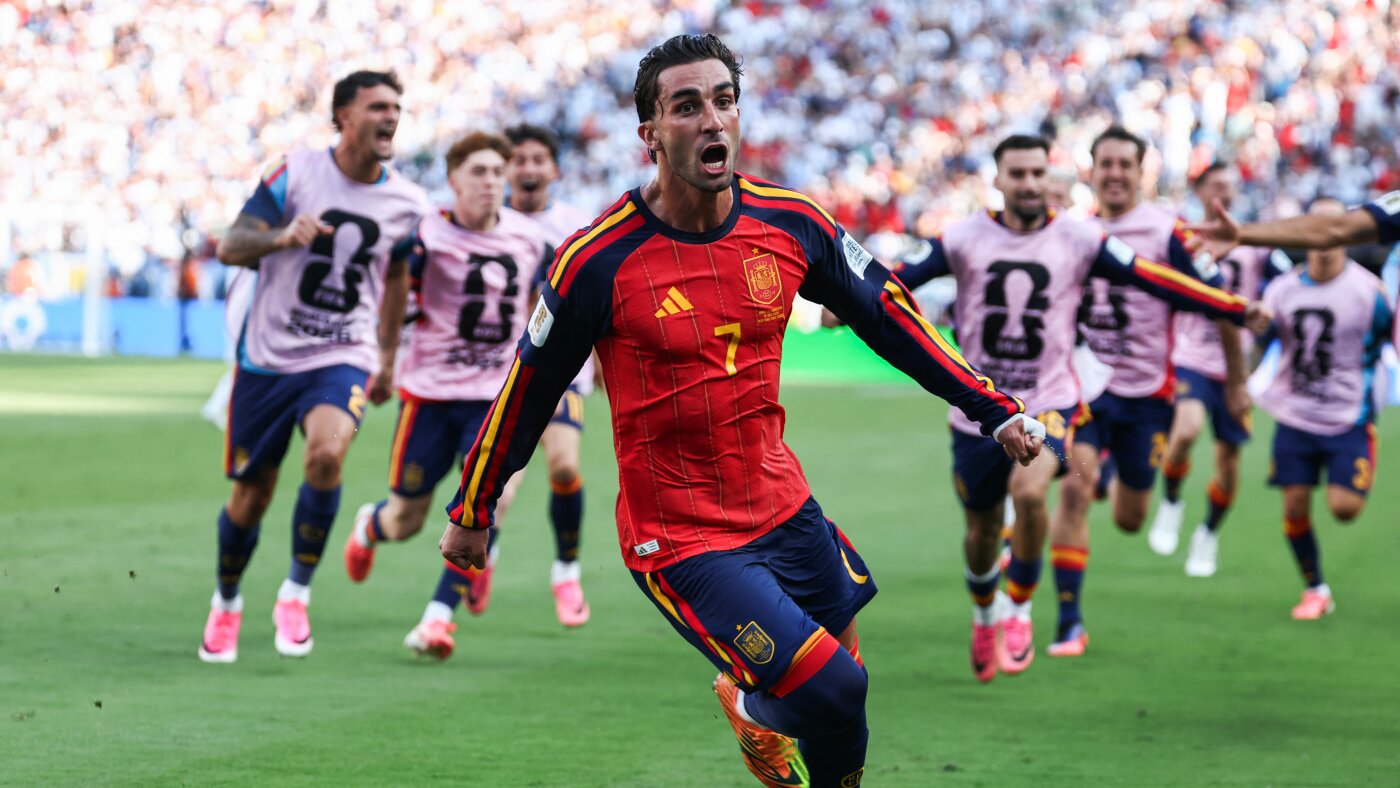
Spain didn’t just beat Argentina. It turned the final into a long, hard lesson in control, then finished the job in extra time.
Spain vs Argentina World Cup Final: Defensive Masterclass Wins
Spain took the 2026 World Cup with a 1-0 extra-time win over Argentina, doing it the hard way and the smart way. Four top-10 scalps and one goal allowed tell you all you need to know.

FIFA World Cup Final Halftime Show: Madonna, BTS Barely Seen
FIFA tried to turn halftime into a global playlist. Instead, the biggest names barely got a breath.