
World Cup watch parties: Photos show soccer beyond the stadium
The real tournament lives on sidewalks, parks, and folding chairs.
 Leo Lupo5 min read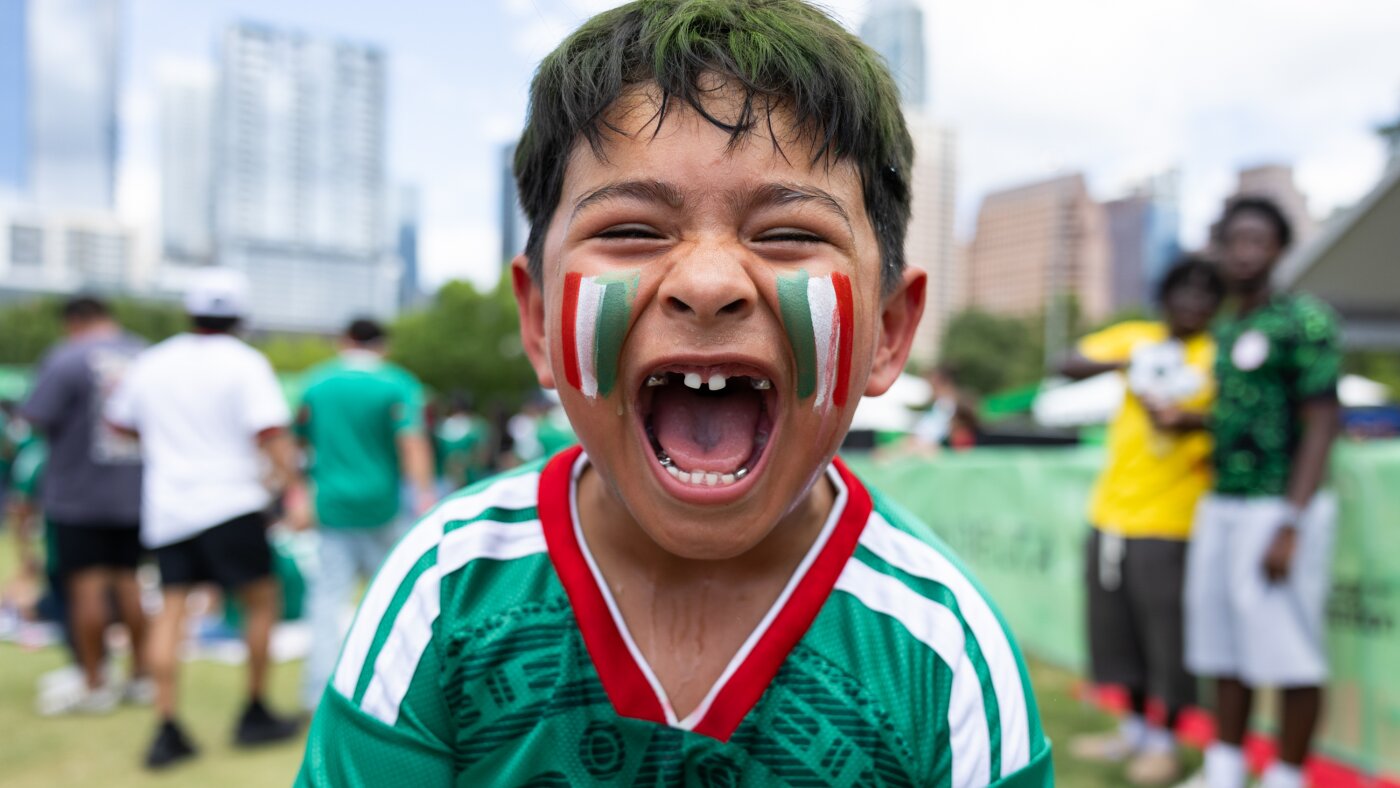
The tournament didn’t stay inside the fence
The stadium gets the TV trucks, the polished entrances, the velvet rope nonsense. Fine. But the World Cup has always leaked out into the streets, and these photos catch that spill in its purest form: fans standing shoulder to shoulder on a curb, families in public squares, strangers turning into temporary cousins over one goal and a cheap plastic horn.
That’s the part of the event the suits never quite know how to package. The match is the match, sure. But the memory most people keep is the glow on a block at 9 p.m., or a park full of people who’d never share a table at the same bar on any other night. This is what the FIFA World Cup does best when it behaves itself: it gives a city a common pulse.
Watch parties are the real broadcast network
These images of crowd scenes outside stadium gates, on street corners, and in public parks tell you something the glossy promos don’t. Most people don’t experience a World Cup in a clean, controlled environment. They experience it in the middle of traffic noise, with kids running through the frame and somebody’s uncle yelling at a screen mounted to a truck.
That mess is the charm. It’s also the point. The tournament’s power has never come only from the 90 minutes. It comes from the way it rearranges local life for a little while. A park becomes a grandstand. A plaza becomes a chapel. A bar patio becomes a pressure cooker. The game gets bigger because it gets smaller, close enough to touch.
The World Cup isn’t just played in stadiums. It’s also played on sidewalks, in parks, and in the faces of the people watching.
If you want to know why football keeps swallowing the world whole every four years, there’s your answer. It doesn’t need a chandelier. It needs a screen, a crowd, and somebody willing to lose their mind when a shot hits the net.
Cities turn into neighborhoods, whether they planned for it or not
What these photos really show is civic alchemy. For a few weeks, places that usually mind their own business start acting like one big block party. The World Cup doesn’t just draw tourists. It creates locals out of anybody with the nerve to stand still long enough and watch.
That matters because major events are too often sold as private luxuries for ticket-holders and VIP badges. The ticketed seat inside the venue gets all the attention, but the broader public gets the atmosphere, and sometimes that’s the better deal. You can keep your premium concourse. Give me the family on a folding chair and the teenager recording every replay on a phone with a cracked screen.
There’s a lesson there for every host city, and for the folks running the show. If the event doesn’t live outside the stadium, it’s not really living at all. A World Cup that only serves the people who got in is a fancy exhibition. A World Cup that spills into the streets becomes a memory people pass down.
The game belongs to the people standing outside the gates
I’ve been around long enough to know this much: the grandest sporting moments usually get their legs from the common ones. Not the ones on the postcard. The ones with bad lighting and a greasy hot dog. Back when the old places were rougher and the telecasts were worse, that truth was easier to see. People gathered anywhere they could, and the game still found them. Same story now, just with better cameras and more branding.
And that’s why these photographs hit. They remind you the World Cup is not just a championship. It’s a social event with a scoreboard. The tournament’s heavy hitters may be the stars on the pitch, but the culture around it belongs to the folks who can’t afford a ticket and wouldn’t miss the thing anyway. They are the atmosphere. They are the noise. They are the reason the place feels bigger than itself.
I’ll say it plain: the governing types ought to respect that more than they do. Every time they cram another layer of marketing on top of the event, they risk sanding down the very thing that makes it matter. People don’t fall in love with a sponsor wall. They fall in love with the old man in a team scarf, the kids painted in national colors, the park crowd groaning in unison after a missed chance.
What to watch as the final weekend arrives
As the World Cup heads into its finish, keep an eye not just on the finalists but on the gatherings around them. The final may crown one champion, but the broader scene tells the deeper story. Which neighborhoods are packed? Which parks are still buzzing? Which cities have turned the tournament into a public ritual instead of a private broadcast?
That’s where the sport proves its durability. Tournaments come and go. Brackets get remembered. Goals get clipped and replayed until they’re worn slick. But the image of a city coming together around a screen — that sticks. It’s old-fashioned, and it works.
Keep the fireworks. Keep the trophy. But don’t forget the folks outside the fence. They’re the ones who make the whole thing feel like a world event.
The final whistle is coming, and the pictures outside the stadium gates may outlast the confetti.
More from Straight From The Bench
Comments
Join the conversation — sign in to leave a comment.
Sign in to commentRelated Stories

World Cup Trophy Presentation: Trump Expected at Sunday Final
Trump is expected to attend Sunday’s final at MetLife Stadium and may help present the trophy after Argentina-Spain. FIFA’s brass is leaning into the spectacle, like it or not.

2026 FIFA World Cup Rings: Final Weekend Crowns More Than a Champion
The last two matches in the 2026 World Cup carry more than medals and pride. The winners — and even the fans — are set to leave with championship rings, a rare flourish for soccer's grandest stage.
Lionel Messi vs Lamine Yamal: World Cup final generational showdown
Lionel Messi and Lamine Yamal are no longer a viral image. They’re the center of soccer’s next passing-of-the-torch moment, with a World Cup title on the line.