Yankees Ryan Weathers Injury Update: Forearm Discomfort Raises Alarm
A routine start turned tense, and the Yankees’ margin for error thinned in a hurry.
 Beatrice Kensington6 min read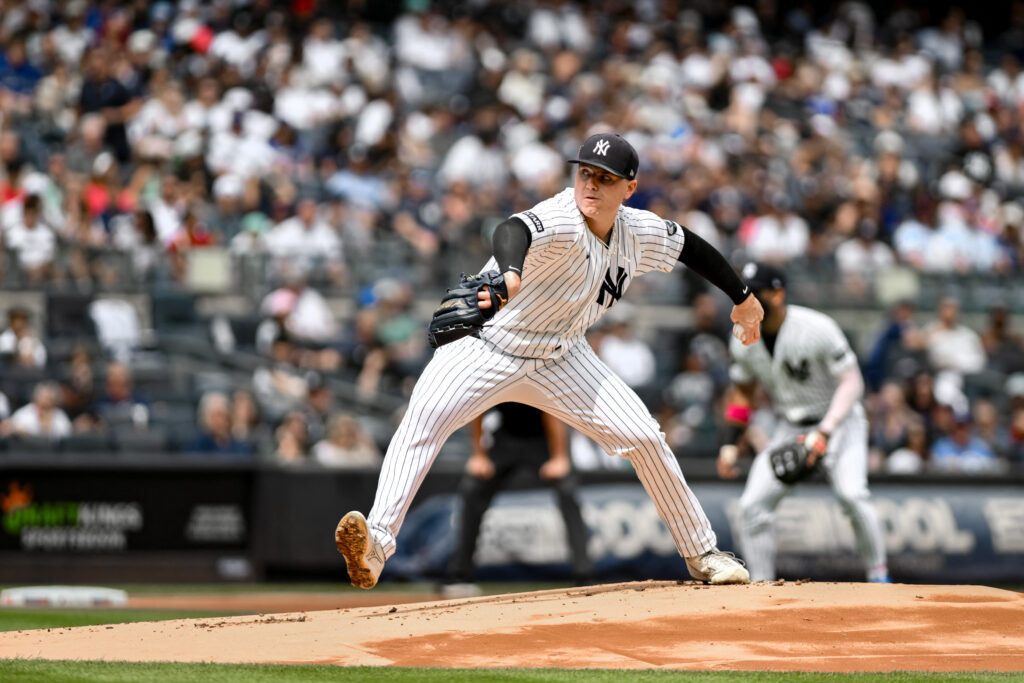
A left forearm, and an all-too-familiar chill
The Yankees do not need another pitching problem. They especially do not need one attached to a left forearm, that notoriously delicate ribbon of tissue where hope and dread have a way of living side by side. Ryan Weathers was pulled from his start Saturday against the Blue Jays after reporting forearm discomfort, and the club says he is headed for imaging. That is the sort of update that arrives with the softness of a tap on the shoulder and the force of a door slamming.
Forearm discomfort is not a diagnosis, of course. It is a warning light. It tells you only enough to make you uneasy, never enough to relax. For a pitcher, the forearm can be the messenger for something minor, or the prelude to something far more serious in the elbow or wrist. The Yankees have been here before, and so have their fans, who have learned that every uneasy arm story carries its own weather system.
What the Yankees lose if this lingers
Weathers is not the sort of injury risk that merely takes away innings; it can rearrange a staff’s entire week. A starter who exits early does more than leave a box score with an unfinished line. He hands the bullpen an extra burden, forces the manager to reshuffle leverage, and can expose the shallow seams of a pitching staff that is already living on the edge of exhaustion.
That is the larger concern here. The Yankees can survive one lost start. They may even survive a few. What they cannot afford, not for long, is the slow leak that turns a rotation into an emergency room. If imaging reveals anything more than inflammation or strain, the dominoes begin to fall quickly. Short outings become bullpen days. Bullpen days become roster churn. Roster churn becomes the annual ritual of pretending depth exists until it does not.
The club’s broader problem is not just one arm. It is the accumulation of them. Baseball has a way of punishing teams that treat pitching as a renewable resource. It is not. Every pitch is a tax. Every forearm twinge is a reminder that the bill comes due somewhere.
A bullpen already asked to do too much
The Yankees’ relief corps has been under pressure in the way an old bridge is under pressure: not all at once, but constantly, under the weight of traffic it was never designed to carry forever. When a starter leaves early, the bullpen does not simply absorb innings; it absorbs uncertainty. Matchups get uglier. High-leverage arms are used sooner. Tomorrow’s availability gets compromised by tonight’s desperation.
That is why this update matters beyond Weathers himself. A team can weather one injury, but it cannot keep pretending every injury exists in a vacuum. The Yankees have spent years chasing stability with patchwork hands. The franchise can buy talent, but it cannot buy back the hours lost when a starter disappears in the middle of an outing.
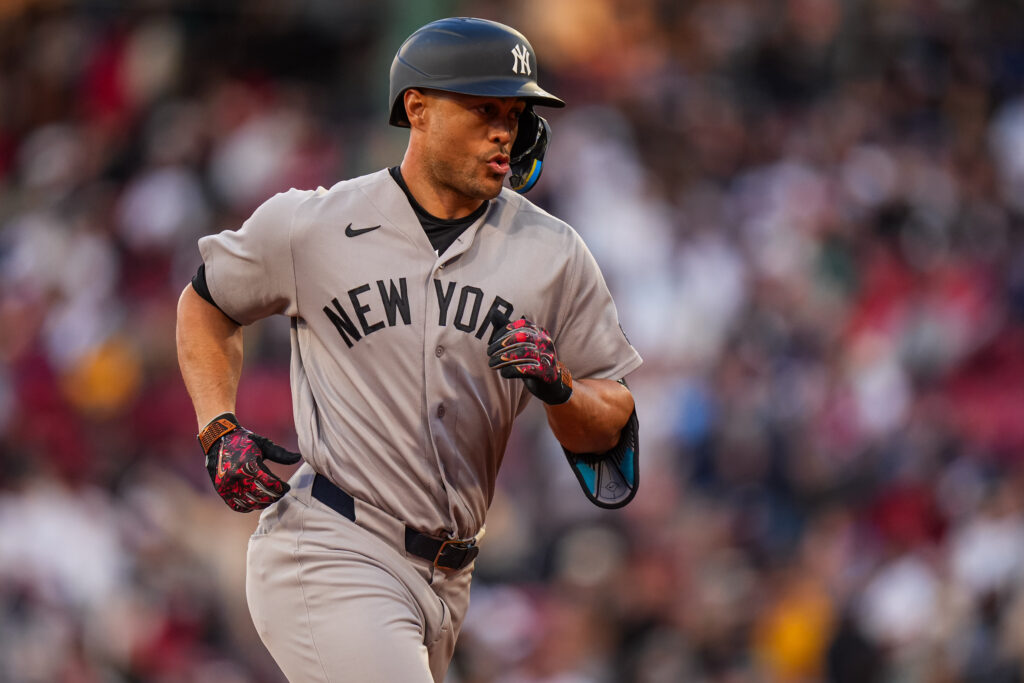
And if you want a reminder of how fragile this business remains, look at the Yankees’ own recent injury ledger. The Giancarlo Stanton calf injury update is its own separate ache, but the emotional effect is the same: one more familiar player, one more familiar uncertainty, one more afternoon spent waiting for medical language to tell the truth in fragments.
Imaging will tell the story, but not the whole one
The scan will matter. It always does. Imaging is where baseball’s private panic becomes public fact, where “discomfort” either stays a nuisance or turns into a timetable. Still, the numbers and labels that follow will not explain the human part of the episode, which is the quiet embarrassment pitchers feel when their bodies interrupt their work, and the quiet anger teams feel when their plans are made provisional by a single pain signal.
Forearm discomfort is baseball’s way of whispering the worst possible news just loudly enough to keep everyone awake.
There is also the timing to consider. A start against Toronto is not a trivial assignment; division games carry their own gravity, and every early exit hands the opponent more oxygen than it deserves. For the Yankees, the immediate question is less about one game than about what this means over the next two weeks. Do they need to protect the bullpen? Do they need to call up help? Do they need to brace for a stretch where everyone on staff works one gear harder than intended?
Those questions linger because pitching injuries are never merely physical. They shape the psychology of a clubhouse. They alter how a catcher calls a game, how a manager handles a sixth inning, how a reliever warms up with the knowledge that one more arm may soon be added to the list of those in need.
Beatrice Kensington: this is why pitchers are never just pitchers
I’ve watched enough seasons of baseball to know that the sport’s deepest drama is often hidden in the softest language. “Forearm discomfort” sounds almost polite, but it is the kind of phrase that has ruined months. It is the sort of update that sends fans to search for hope where the clinic report offers only compression and caution. And in the modern game, where starters are often managed like porcelain until the day they are expected to carry the load of stone, there is something almost cruel about how quickly one arm can expose the thinness of a roster’s architecture.
What strikes me most is how routinely teams still behave as if this is bad luck rather than design. Baseball has spent years asking pitchers to throw harder, spin more, and do it all under tighter workloads, then acts surprised when forearms and elbows begin filing complaints. We have normalized fragility by praising velocity. We have made the body a budget item.
If Weathers’ imaging is clean, the Yankees will breathe easier and move on with a bruise of caution. If it is not, the organization will once again be forced into the hard arithmetic of pitching attrition, where every answer costs another answer. That is the real story here. Not just whether one left-hander misses time, but whether the club is prepared for the truth that good intentions do not heal arms.
Another test for a team that cannot keep wasting innings
The Yankees are not being asked to panic. They are being asked to reckon. There is a difference. Panic is noisy and brief; reckoning is the duller, more expensive affair, and it lasts longer. If Weathers is sidelined, the club will need to absorb it without letting the season’s margin for error shrink any further.
That is the burden of being the Yankees. Every injury is amplified. Every setback acquires a shadow. Every early exit becomes a referendum on depth, planning, and the arithmetic of October ambition.
The scan is coming. Then the real accounting begins.
More from Straight From The Bench
Comments
Join the conversation — sign in to leave a comment.
Sign in to commentRelated Stories
Giancarlo Stanton Calf Injury Update: Yankees Facing Another Shut-Down
Giancarlo Stanton’s latest calf setback is more than a health note. It’s another reminder that the Yankees’ lineup plans still have a giant hole in the middle.
Andy Pages Hand Injury: Dodgers Lose Center Fielder for Weeks
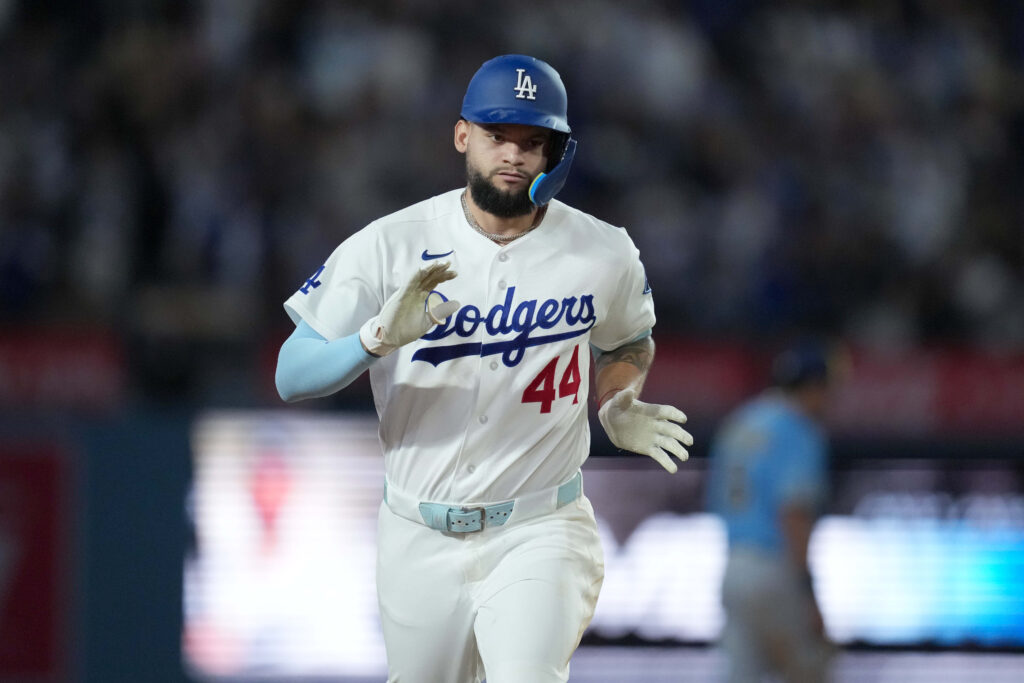
Andy Pages is out 4-5 weeks with a fractured hand, which likely wipes out most of his regular season. The Dodgers now have to patch center field and keep the lineup from thinning out.
Ketel Marte casino incident: Diamondbacks star misses Reds game
Arizona won without Ketel Marte, but the bigger story is the empty seat and the message it sent. This one hits a clubhouse that’s trying to stay in the race.