
2026 MLB All-Star Lineups: NL and AL starters set in Philadelphia
The midsummer showcase still knows how to reveal a league’s mood.
 Beatrice Kensington6 min read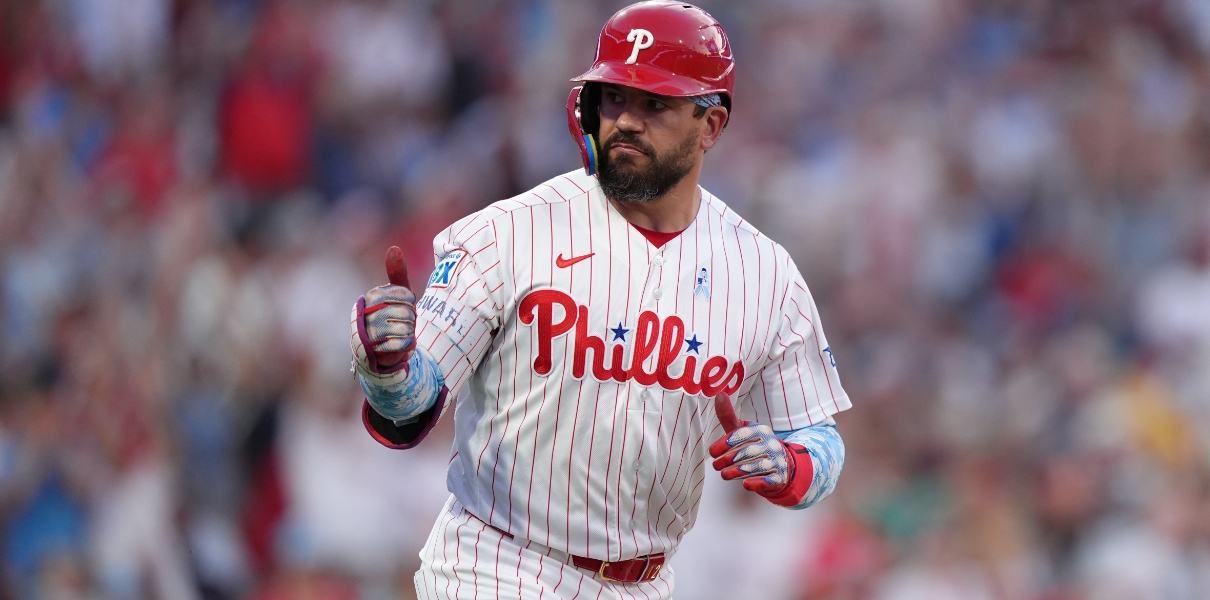
Tomorrow night at Citizens Bank Park, baseball stages its annual mirror: the National League and American League dressed in their finest, smiling for the cameras, then trying to matter for one crisp July evening. The 2026 MLB All-Star Game is never just about who got the most votes. It is about which players have become unavoidable, which franchises have bent the season around them, and which names now live in the game’s public imagination with the force of old folklore.
The starters, announced ahead of the midsummer classic, carry that burden in the usual way. They are the faces on the posters and the names children recite in batting cages. Yet the deeper value of this night is that it tells us what baseball thinks of itself right now. In a sport built on daily accumulation, the All-Star stage is one of the few moments when the whole enterprise pauses long enough to look in the glass.
Philadelphia gets the pageant baseball still needs
Citizens Bank Park is a fitting theater for this sort of ritual. Philadelphia has always treated baseball like a civic argument, loud and alive and impossible to ignore. The park itself was built for sound, for October, for nights when the city seems to lean over the railing and pull the game toward it. An All-Star Game here should not feel antiseptic. It should carry a little grit.
That matters because the midsummer classic has spent years trying to balance two instincts that rarely agree. One is the event as celebration, a bright parade of talent and marketable faces. The other is the event as legitimacy, a contest that should still mean something beyond television filler and ceremonial smiles. Philadelphia gives baseball a chance to recover some texture. The ballpark does not pretend to be neutral. It never has.
If you want the broader stakes, they are simple enough: the sport still needs star power to travel, and it needs atmosphere to feel alive. The best All-Star Games have both. The worst are perfectly packaged and strangely hollow.
The starters are the season’s loudest truth
By this point in the calendar, starter announcements are not surprises so much as confirmations of what the season has already shouted at us. The names at the top of the vote are usually the names that have carried their clubs through the long humid sprawl of spring and summer. Some are veteran anchors. Others are young players who have moved from promise to obligation in a single graceful month.
That is why the All-Star lineup always carries a little residue of power. It is not simply a souvenir of good performance. It is a public record of relevance. The players selected for these opening assignments have spent months making themselves difficult to leave off the page. They are the ones opponents game-plan for, the ones broadcasters repeat with a kind of reverence, the ones fans would rather see in the batter’s box than anyone else.
There is also a democratic strain to this that baseball sometimes forgets to honor properly. Fans vote, but the final result still reflects a larger conversation between performance, reputation, and the way a player occupies the imagination. That can produce a little friction, and it should. A showcase without argument is usually a weak one.
The All-Star Game is baseball’s annual confession: we still need stars, and we still need them to mean something.
What the lineups say about the sport right now
I keep coming back to one fact: baseball’s public health depends on recognizable figures who can carry a story from April into July without losing their shape. The game has changed, of course. The pace has been engineered, the strike zone endlessly debated, the labor landscape forever taut. But the All-Star Game remains one of the rare spaces where the sport can present itself not as a spreadsheet, but as a cast.
That is why the lineups matter beyond the evening’s entertainment. They are a snapshot of baseball’s current identity crisis and its current strength. The game can still produce personalities big enough to command a full national showcase. It can still create a lineup that feels like a conversation among eras, styles, and regions. And in a season when attention is rationed across a thousand screens, that is no small thing.
As for the players themselves, the burden is both glamorous and oddly weighty. A starter in an All-Star Game is not just there to swing once and take a bow. He is there because a season’s worth of excellence has been compressed into a single name tag. That can flatten a human being if we are careless. It can also immortalize him, if the night breaks right.
The small drama behind the big names
The lineups also affect the quieter lives inside the sport. Teammates notice. Front offices notice. Young players notice, especially those who see themselves next year in the mirror of someone else’s success. The All-Star stage is not just for the stars who made it; it is for the players still trying to become impossible to ignore.
And Philadelphia will be watching that process with particular appetite. This city does not merely consume baseball. It interrogates it. Every hard-hit ball becomes evidence, every misplay a moral failing, every ovation a kind of collective judgment. That intensity can be exhausting. It can also be clarifying. In a league that sometimes drifts into polished anonymity, the Phillies’ home park offers something better: stakes that feel human.
The backdrop matters for another reason, too. Baseball is still working to make its biggest nights feel essential without seeming manufactured. The MLB All-Star Game is no longer trying to pretend it decides home-field advantage in the World Series, and that liberation has helped. The event can breathe again. It can be playful without being trivial, competitive without becoming a fraud.
For readers who have followed the season’s deeper currents, this is the same sport that keeps producing little dramas worth watching elsewhere as well — from the next wave of young talent in pieces like Gatorade National Player of the Year: 12 High School Stars to the broader arc of baseball’s summer showcases in 2026 Home Run Derby: Time, Streaming, Participants and Format. The All-Star Game lives inside that same ecosystem of scarcity and spectacle.
My read: baseball still knows how to stage a king’s procession
I have written too many times about sports losing their ceremonial muscle, about leagues sanding down edges until every event looks like the last one. Baseball, for all its faults, still resists that fate better than most. The All-Star Game remains a little old-fashioned in the best possible way: a procession of talent, each player arriving in public carrying the record of his season like a flag.
What I admire most is not the branding or the pageantry, both of which can curdle quickly. It is the stubborn persistence of recognition. In an age that wants every event to be optimized into sameness, baseball still allows for distinction. A great first half can still earn a place in the line. A hot July can still turn a name into a headline that lasts forever.
And if the game in Philadelphia delivers even a fraction of the electricity the setting deserves, it will remind us why the midsummer classic survives. Not because it is flawless. Because it is human. Because it gives the season a face.
Tomorrow night, the stars take the field. The rest of baseball gets to watch itself being remembered.
More from Straight From The Bench
Comments
Join the conversation — sign in to leave a comment.
Sign in to commentRelated Stories

Braves 2026 MLB Draft Recap: 21 New Prospects Join the Farm
The Braves left the 2026 MLB Draft with 21 new prospects and a louder farm-system conversation. This class is less about flash and more about building depth that can matter in a hurry.
Athletics Pitching Coach Scott Emerson Fired: What It Means
Scott Emerson is out, Dan Hubbs is in, and the Athletics are trying to jolt a tired staff. The question is whether the fix runs deeper than the dugout chair.
Zack Wheeler All-Star Snub: Phillies Ace Answers With Fire
Left off the All-Star roster, Zack Wheeler responded the old-fashioned way: by carving hitters into pieces. In Philadelphia, even resentment can arrive with a radar gun.