
2026 MLB trade deadline awards: Dodgers, Yankees, Mets, more
The big clubs bought loud. Now they’ve got to cash the checks.
 Leo Lupo5 min read
The 2026 trade deadline did what the deadline always does: it fed the hungry, emptied a few farm systems, and gave half the league a fresh excuse to sell hope to its fans. The Dodgers made their splash, the Yankees tried to keep pace, and the Mets did what they’ve been doing for years now — living in the tension between star power and unfinished business. Nobody gets a parade for winning deadline week. You only get judged when October starts chewing on your roster.
The funny thing about these deadline “awards” is that they always read like a trophy case for adult children with checking accounts. Best add. Best bargain. Best aggressor. Fine. But baseball doesn’t hand out rings for cleverness. It hands them out for surviving six months of attrition, then playing clean when the air gets thin and the innings get expensive. That’s where this class of buyers will be measured.
Dodgers bought the name, not the finish line
Los Angeles did what Los Angeles does: it leaned into the deal table with the confidence of a club that expects the back of the baseball card to hold up under September lights. The Dodgers have spent years treating the deadline like a department store sale — if there’s a premium piece on the shelf, somebody in Dodger blue will kick the tires. And sure, the roster got stronger. No argument there.
But don’t let the shine fool you. A bigger lineup card doesn’t automatically mean a better October. Pitching depth gets hit first. Bullpens turn into smoke. A “superstar acquisition” can fix a hole and still leave three more. That’s the game. The Dodgers may have won the headline, but they haven’t clinched a thing, and anybody who’s been around this racket long enough knows that deadlines are for rosters, not for guarantees.
That’s why the Tarik Skubal Dodgers Debut: A Cy Young arm looks right at home piece landed with some bite. When a club like this adds another big arm, the expectation ceiling goes straight through the roof. Lovely in theory. Brisk in the papers. Then comes the 162-game grind and you find out whether that arm is the missing plank or just another expensive beam on a house already leaning.
Deadline winners don’t hang banners. They buy themselves a bigger stage for the same old pressure.
Yankees and Mets kept playing their familiar game
The Yankees are the easiest team in the sport to read and the hardest to satisfy. They spend like a heavyweight, talk like a contender, and get treated like a measured build when the results come up short. At the deadline, that means every move gets graded against the same old standard: did they get better enough to beat the teams that have had their number? That’s the whole ball of wax.
The Mets, meanwhile, are baseball’s great stress test. Big-market money, big-market noise, and the kind of roster construction that always seems one pitching crisis away from a postmortem. The deadline gave them a chance to reinforce the bridge between ambition and reality. That bridge has snapped on them before. More than once. The first week after the deadline always feels like a victory lap. The first bad road trip turns it into a funeral.
I’ll tell you what these two clubs share: they can’t hide behind “process” anymore. Not with payrolls, not with expectations, not with fan bases that have seen too many July fireworks and too many October smoldering piles. The Juan Soto and Francisco Lindor Mets Sitdown: What It Means story had the right feel, because the Mets’ future is never just about talent. It’s about whether all that talent actually faces the same calendar at the same time.
The deadline wasn’t won by the loudest club
There’s always a temptation to crown the biggest spender as the big winner. Easy copy. Lazy thinking. The better clubs at the deadline are often the ones that know their exact flaw and patch it without buying a billboard. That’s the sharp end of roster building. Not the shiny end.
A club can make three good moves and still lose because it ignored the one thing everybody else could see from the upper deck. Another can make one modest move and end up better positioned than the outfit that hoarded prospects and woke up in September with a bullpen made of wishful thinking. This is why deadline grades are mostly entertainment. The real grade gets written in the standings, and then again in October, with a red pen.
There’s also the matter of fatigue. Teams that spend big at the deadline are often asking the same core players to absorb the emotional tax of all that expectation. Fans love the “we’re all in” speech. Players live the bill.
What this means when the games get mean
The contenders that added best didn’t just chase talent. They chased fit. And fit matters more than reputation once the calendar turns. You need a lineup that doesn’t get cute under pressure, a bullpen that can survive a crooked inning, and a bench that isn’t standing around like extra furniture. That’s October baseball. No music. No excuses.
The clubs that came out looking smartest from this deadline are the ones that understand baseball’s oldest truth: you can’t buy your way out of every weakness, but you can sure as hell buy fewer of them. The Dodgers know it. The Yankees know it. The Mets, if they’re honest, know it too.
The larger lesson here is simple and a little ugly. The deadline is not a finish line. It’s a receipt. The clubs that made the boldest moves now owe the sport a return on investment, and baseball is a brutal landlord. If you pay for the penthouse, don’t be shocked when the leak in the ceiling still shows up in October.
The next month will tell us which front offices built a contender and which ones just built a better-looking headache. That’s the real award.
More from Straight From The Bench
Comments
Join the conversation — sign in to leave a comment.
Sign in to commentRelated Stories
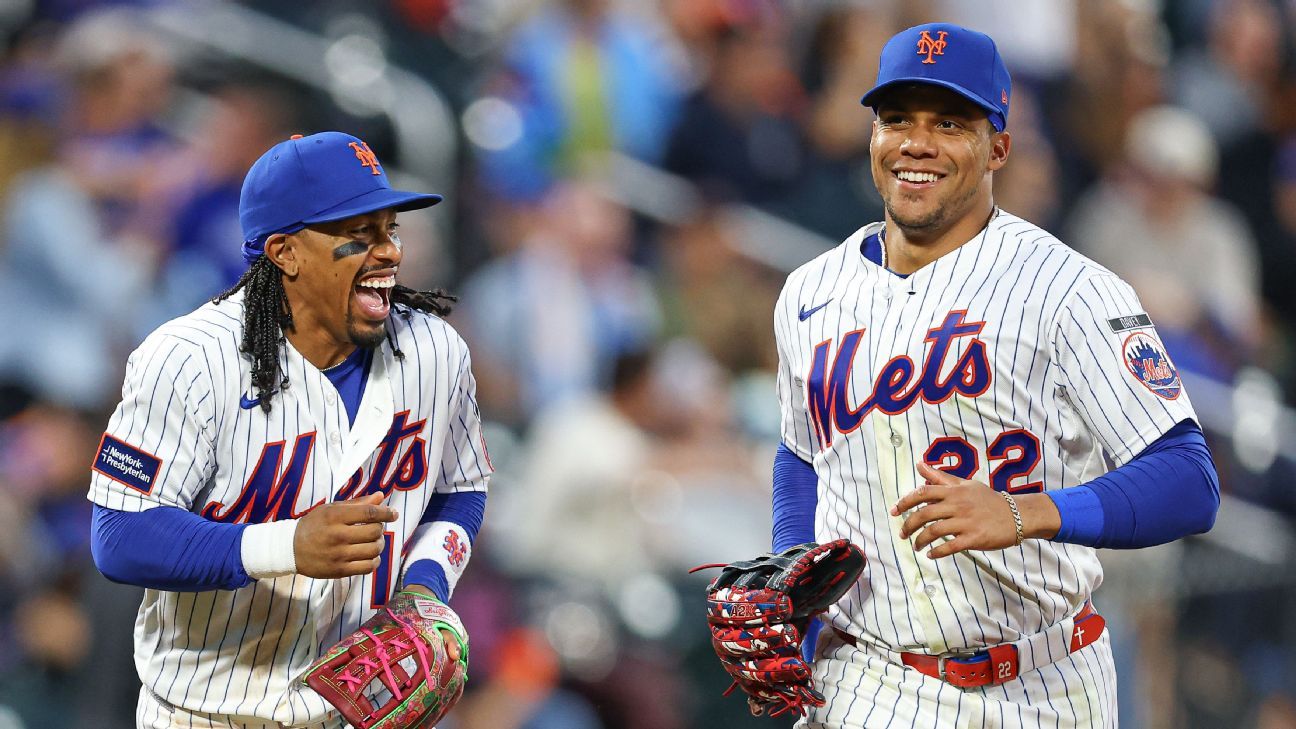
Juan Soto and Francisco Lindor Mets Sitdown: What It Means
A midseason sitdown between Juan Soto and Francisco Lindor tells you the Mets knew the fit had drifted. Freddy Peralta ended up as the unlikely mediator.

Red Sox Adley Rutschman Catching Update: New Team, New Test
Adley Rutschman is already learning the hard part of joining a new club: trust. The bat can wait. The signals, the rhythm, the little stuff can’t.
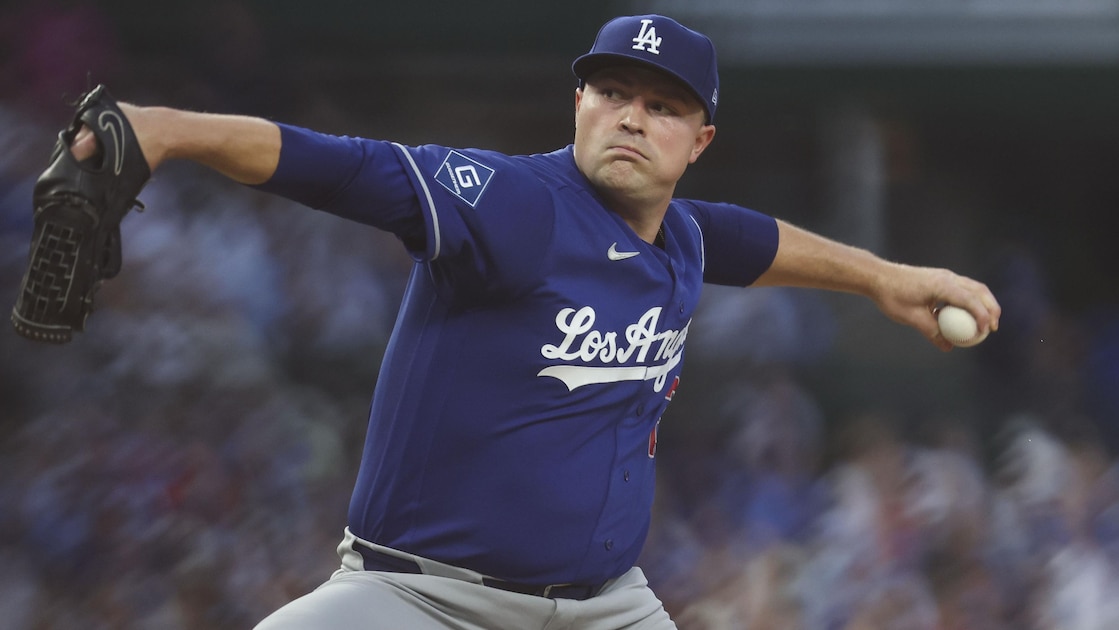
Tarik Skubal Dodgers Debut: A Cy Young arm looks right at home
Tarik Skubal walked into Los Angeles and looked like he’d been wearing Dodger blue for years. The box score was clean, the stuff was louder, and the league noticed.