
Mariners trade deadline update: Jerry Dipoto explains the plan
The deadline passed; the hard questions did not.
 Beatrice Kensington6 min read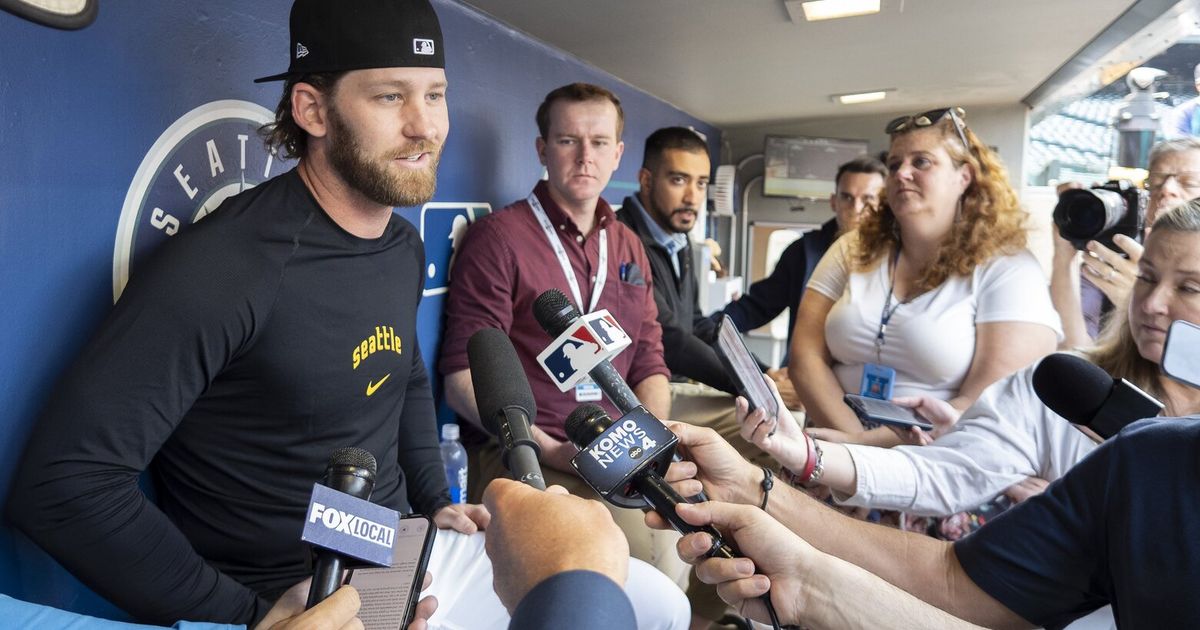
The trade deadline is supposed to be a clean line, a bright scratch across the season. Buyers on one side, sellers on the other, regrets filed away for winter. The Mariners, as they often do, refused to fit neatly inside the box. With Taylor Ward) in the room, Brendan Donovan back from the injured list, and Jerry Dipoto finally speaking after the market closed, Seattle’s posture was revealed for what it is: not a manifesto, not a teardown, but a stubborn bet that a deeper, healthier roster can still carry the club where the front office has spent years trying to go.
That is the real story here. Not the rumor mill, which always hums too loudly in a place like Seattle. Not the deadline theater, where every front office claims discipline after the dust settles. The Mariners are once again trying to thread the narrowest of needles — to add enough without surrendering the future, to remain competitive without pretending certainty exists in baseball.
Dipoto’s message: depth first, panic last
Dipoto’s first public remarks after the deadline came with the careful cadence of a man who knows every syllable will be weighed as if it were a trade chip. That is the burden of being the steward of a perpetually half-open contention window. He did not need to sell fantasy. The roster has not earned that kind of talk.
What he did sell, instead, was structure. The Mariners wanted a healthier lineup, a more playable bench, more protection against the long summer attrition that so often strips good clubs down to ordinary. Ward helps there. Donovan helps there. The return of regular bodies, the simple arithmetic of availability, has mattered as much as any blockbuster would have.
And if that sounds unglamorous, it is. Baseball is often won in the unglamorous spaces — the extra competent bat, the day a regular can actually play, the week when the order does not collapse into replacement-level sameness. Seattle has spent enough seasons discovering that truth the hard way to know better than to mock it now.
George Kirby rumors exposed the cost of staying relevant
The George Kirby) chatter was never merely about one pitcher. It was about the price of insisting on present-tense relevance while protecting tomorrow’s foundation. Every contender with a young, controllable arm eventually faces the same temptation: cash him in for immediate help, or keep him and trust the farm system to supply the rest.
Seattle, according to the post-deadline tone, chose restraint. That is hardly a surprise. Kirby is not just a good starter; he is the kind of pitcher teams build around because he makes the rest of the roster feel more honest. When a front office floats or absorbs rumors around a player like that, it tells you something about the market, and something about the club’s own discomfort with its margin for error.
The Mariners have lived too long in the company of almost. Almost enough offense. Almost enough staying power. Almost enough October. To move a pitcher of Kirby’s stature, you need a return that changes the geometry of the roster. Short of that, you keep the arm, keep the ceiling, and accept the pressure that comes with it.
Seattle did not buy certainty at the deadline. It bought a little more oxygen.
Ward and Donovan change the lineup’s temperature
There are deadline acquisitions that feel like fireworks, and there are acquisitions that feel like a house finally having all its lights turned on. Ward and Donovan are closer to the latter. They alter the daily feel of the lineup, and in a season built on the knife edge between patience and frustration, that can matter just as much as splash.
Ward brings impact and unpredictability in the best sense: a bat opposing pitchers have to plan around, not simply navigate. Donovan brings the sort of contact-oriented versatility that managers adore and fan bases only appreciate after watching too many innings vanish into unproductive outs. Together, they reduce the number of dead spots that have haunted Seattle’s offense for too many summers.
The Seattle Mariners have long understood that their offense rarely needs to become historic. It simply needs to stop sabotaging the pitching staff so often. That is a lower bar than glory, but baseball is a sport of bars met and missed, not dreams declared on a podium.
This is also why the Mariners’ trade deadline posture feels more consequential than the usual postmortem suggests. The moves were not dramatic enough to satisfy the dopamine addiction of deadline day, yet they may prove more valuable over six long weeks than a louder, more expensive gamble. Health can function like a trade acquisition if the roster has been wounded long enough.
What this says about Seattle’s larger plan
Here is where I step in with the part that matters to me most: the Mariners are still behaving like a team haunted by scarcity even when they have enough talent to demand something bigger from themselves. I understand the restraint. I respect the logic. But restraint can become a habit, and habits are how organizations slip into self-protective mediocrity.
That does not mean the front office should have turned reckless and emptied the cupboard for a headline. It means the club now has to show that its caution was strategic, not timid. There is a difference, and fans know it when they see it. Strategic caution says: we believe our core is real, and we will add only where the return justifies the cost. Timidity says: we fear paying for the next rung, so we will content ourselves with the one we’re on.
Seattle’s challenge from here is to prove which of those truths best describes this deadline. If the lineup stays healthy, if Ward and Donovan stabilize the middle of the order, if Kirby remains the kind of arm you do not casually move, then Dipoto’s choices can be framed as disciplined, even wise. But if the offense stutters again and the club is left staring at another autumn from the outside, this deadline will be remembered as the latest chapter in a familiar story: not enough daring, not enough finishing force, not enough margin built before the bill arrived.
The Mariners release moves after deadline story showed how ruthlessly this roster can be trimmed when the club decides to shuffle the deck. This time, the trimming stopped short of something seismic. That may be the right call. It may also be the sort of decision that only makes sense if the next month goes well.
Seattle does not need a speech now. It needs runs, health, and the quiet proof that this deadline really bought something more durable than relief.
The next stretch will tell the truth. It always does.
More from Straight From The Bench
Comments
Join the conversation — sign in to leave a comment.
Sign in to commentRelated Stories

Red Sox Adley Rutschman Catching Update: New Team, New Test
Adley Rutschman is already learning the hard part of joining a new club: trust. The bat can wait. The signals, the rhythm, the little stuff can’t.
Brewers Tarik Skubal Trade Offer: Luis Peña Was the Headliner
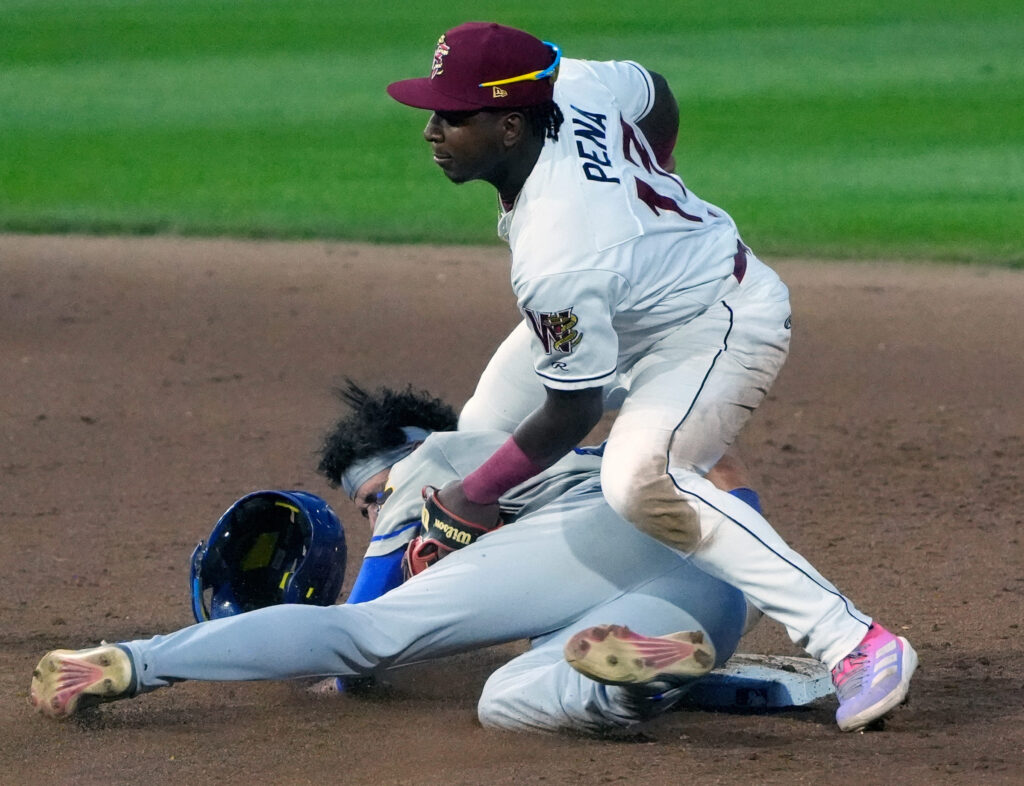
The Brewers pushed hard for Tarik Skubal and reportedly made Luis Peña the centerpiece. Detroit turned it down, which tells you how high the Tigers were selling.
Mariners Release Mitch Garver, Rob Refsnyder After Deadline
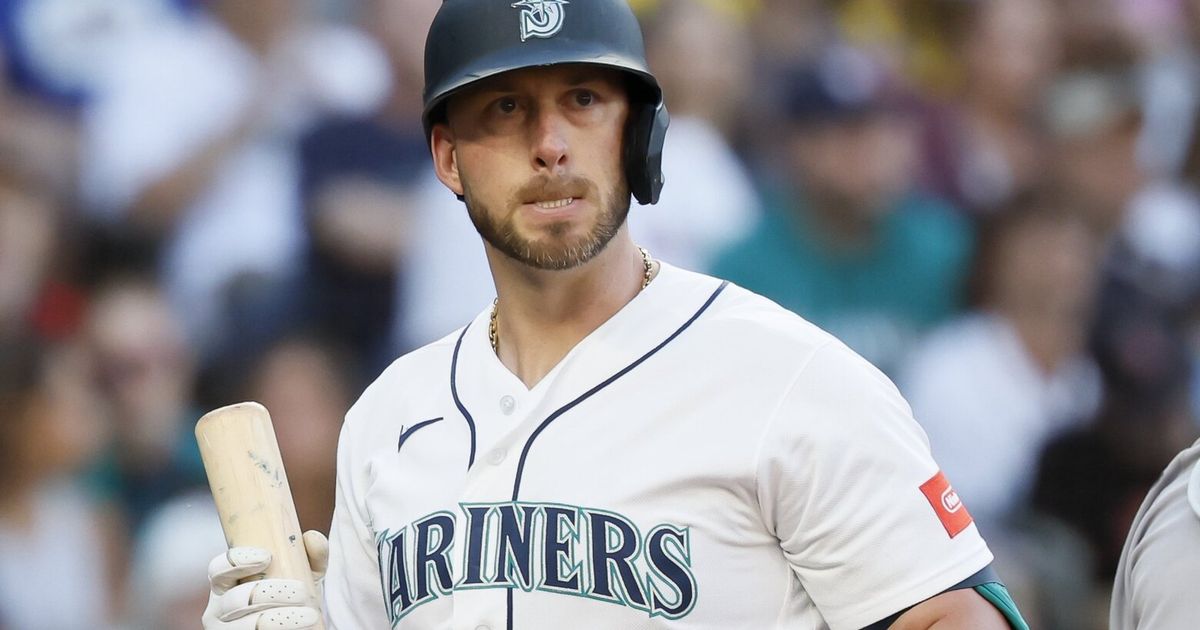
The Mariners made a hard reset at the bottom of the lineup, cutting veterans Mitch Garver and Rob Refsnyder as the deadline dust settled. It is less about sentiment than urgency.