
Mariners Release Mitch Garver, Rob Refsnyder After Deadline
Seattle chose churn over comfort, and that tells you where this season stands.
 Beatrice Kensington5 min read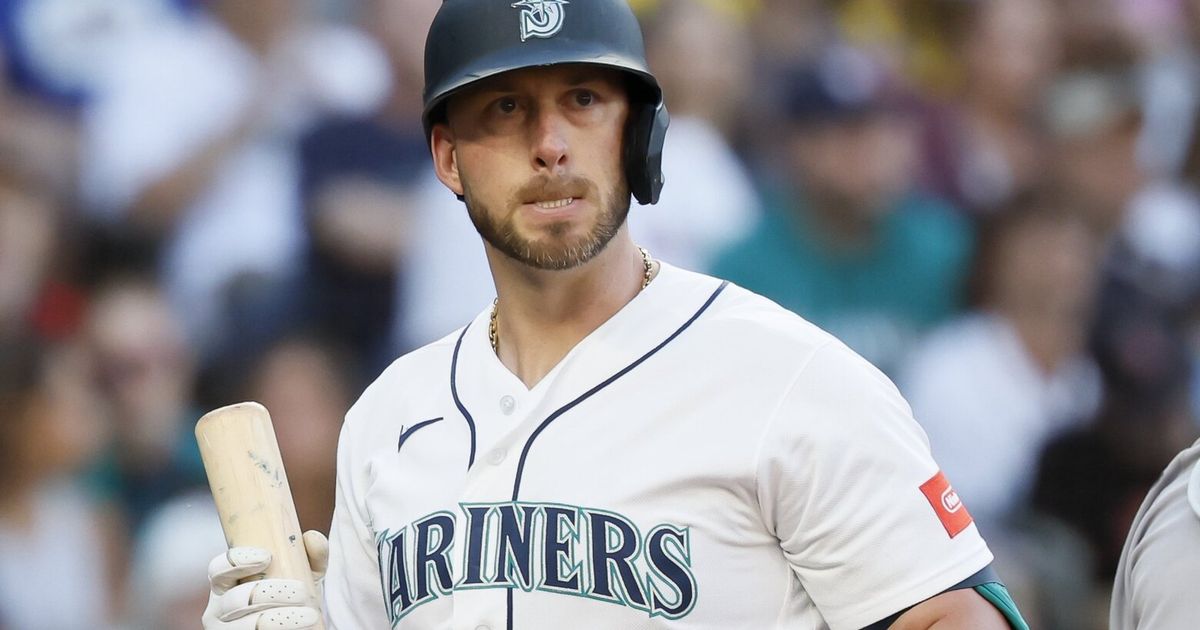
The Seattle Mariners did not wait for the deadline fog to clear before making their point. A day after the market closed, they took a hard, unsentimental swipe at the fringes of the roster, releasing Mitch Garver and Rob Refsnyder while setting the stage for Jhonny Pereda to return from Tacoma. These are not headline-grabbing departures in the way a blockbuster trade would be, but they matter because they expose the mood in the room: Seattle is done waiting for a soft landing.
The club spent the days after the deadline looking like a team trying to pry open a stuck door. The front office had already signaled that patience had limits, and now the roster has begun to reflect that impatience. The Mariners are not simply rearranging chairs. They are asking, with some force, which players can still serve the next stretch of the season and which ones have become a drag on the margins.
A roster reset with teeth
Garver’s release is the sharper cut. He arrived with the kind of offensive reputation that can flatter a spreadsheet and frustrate a dugout, and in Seattle he never fully became the answer the club hoped for when it invested in him. The Mariners have spent too many innings this season carrying dead weight in places where they needed production, and a catcher or designated hitter who is not slugging enough becomes more than an underperformer. He becomes a blockade.
Refsnyder is a different story, quieter but no less revealing. He is the sort of veteran many teams keep around because he can stand in several places without embarrassment and give you a professional at-bat once in a while. But “serviceable” is not the same as necessary, not when a team is chasing a postseason berth and every bench spot can be used as a lever. The Mariners chose leverage.
That is the real subtext here. This is not a sentimental baseball operation right now. It is a pressure operation. The club has been trying to shake loose from the inertia that settled over the first half, and the trade deadline only sharpened that imperative. For a team built around pitching and run prevention, the lineup cannot keep arriving at the park dressed for a different era.
Pereda’s return is a message, too
Pereda coming back from Tacoma is the other half of the story, and not the decorative half. Call-ups from the farm are often framed as reward or emergency, but this one feels closer to a test. Seattle wants energy, flexibility, and a catcher who can help steady the staff without occupying too much oxygen in the batting order. That is the kind of transaction contenders make when they believe the edges still matter.
It also underlines a recurring truth of modern baseball: the line between “depth” and “disposable” is thinner than fans like to think. One week a player is a veteran safety valve; the next he is a roster casualty because the club decided that a cleaner fit, even a modest one, is worth more than familiarity. The Mariners have been living in that arithmetic for a while.
The deadline may have ended, but Seattle is still trading in outcomes — and this time the currency is roster space.
There is a larger theme here that ought to be plain to anyone who has followed the club for more than a season. The Mariners have long lived in the tension between enough talent to believe and not enough offense to breathe easily. They can pitch with almost any team. They can defend, too. But the margins have a way of curdling when the lineup spots meant to stabilize the middle or lengthen the bench do the opposite. Decisions like these are the bill coming due.
What Seattle is really saying about the season
I have seen enough late-summer roster pruning to recognize the shape of this kind of move. It is not merely a baseball decision; it is a declaration of standards. When a front office cuts loose recognizable veterans in August, it is admitting that the luxury of hope has expired. What remains is fit, performance, and the cold mathematics of contention.
And yet there is a kind of courage in that, even if it arrives wearing a bureaucratic mask. Teams are often praised for loyalty when what they are really practicing is denial. Seattle has chosen the uglier, and in some ways healthier, path. If you believe the roster can still be pushed toward the postseason, then you cannot keep pretending that everyday mediocrity deserves to be protected because it is familiar.
For the Mariners, this also hints at a more sobering organizational lesson. Deadline acquisitions are only as useful as the roster they join. If the front office sees the need to clear out veterans so quickly, then it has also acknowledged that the roster construction underneath them was looser than it should have been. That is not a scandal. It is just the honest accounting of a season that has asked for more than Seattle has always been able to supply.
The pressure now lands on the lineup, not the names
What happens next will be judged less by who left than by whether the reshuffled group can hit enough to support the pitching staff. The Mariners do not need a miracle. They need competence that lasts longer than a week. They need the kind of nightly run support that keeps the bullpen from turning every two-run lead into an anxious referendum.
That is why these roster moves are not footnotes. They are the club telling its own locker room that the clock is loud now. The new order is smaller, leaner, less forgiving. If the trade deadline was the public statement, this roster churn is the private one.
Seattle has made its choice. The season will now have to answer.
More from Straight From The Bench
Comments
Join the conversation — sign in to leave a comment.
Sign in to commentRelated Stories

Brewers Tarik Skubal Trade Offer: Luis Peña Was the Headliner
The Brewers pushed hard for Tarik Skubal and reportedly made Luis Peña the centerpiece. Detroit turned it down, which tells you how high the Tigers were selling.

Cubs Deadline Decisions: Jed Hoyer Explains the Pitching Push
Jed Hoyer defended a deadline built around arms, urgency and market reality. The Cubs chose pitching over hesitation, and the message was unmistakable.
MLB trade deadline: Dodgers, Nationals earn A; Yankees lag
The 2026 deadline delivered real aggression in Los Angeles, a reset in Washington, and more hesitation than Yankees fans wanted. The market made its priorities loud.