
Cubs Deadline Decisions: Jed Hoyer Explains the Pitching Push
A front office that finally spent like a club with October on its mind.
 Beatrice Kensington6 min read
The Chicago Cubs did not drift through the deadline like a club hoping the weather might change. They moved with purpose, and then Jed Hoyer stepped to the microphone and explained why. The message, in plain English, was this: if the season is going to bend toward October, it will do so on the back of pitching. Not romance. Not slogans. Arms.
The deadline had the feel of a front office finally accepting the shape of its own team. Chicago could have chased comfort, the kind of tidy, superficial upgrade that makes a press conference sound good and a postseason series feel doomed. Instead, the Cubs paid for starting pitching, knowing full well what every contender eventually learns in the furnace of late July: the market does not reward hesitation, and the rotation is the last place you want to bargain with fate.
Hoyer’s deadline was a wager on October
For a club with playoff aspirations, the logic is almost cruel in its simplicity. Position-player depth matters, yes, but the postseason tends to strip away the decorative edges and ask a more basic question. Can you get three outs? Can you cover 18 innings in a two-day span without the whole thing sagging into torchlight and panic?
That is why the Cubs’ focus on pitching matters so much. By adding Clayton Kershaw and reaching for another starter in Shota Imanaga territory of value, Chicago signaled that it understood the modern truth of the sport: offenses can charm you through May, but pitching decides whether the year ends with champagne or silence. The club’s front office may speak in careful, managerial language, yet the subtext was loud. They were not collecting names. They were trying to buy innings.
That matters because innings are the currency that rarely gets the proper public reverence. They do not sell jerseys the way a slugger does. They do not light up the board in the same easy, viral way. But they are the thin stone bridge between a promising team and a credible one.
Why the Cubs chose arms over aesthetics
Hoyer’s comments on market dynamics were more than routine front-office varnish. They were a window into how a deadline actually works from the executive side: the asking prices rise, the inventory shrinks, and every buyer has to decide whether to pay the premium or watch someone else walk out with the thing they wanted most.
The Cubs chose to pay. That should not be mistaken for recklessness. It is the opposite. It is discipline meeting urgency.
Chicago has spent enough seasons in the middle distance to know how dangerous half-measures can be. A club can live for years in the fog of “pretty good,” which is baseball’s most expensive purgatory. It keeps the turnstiles moving and the hope alive, but it rarely wins the argument that matters. What Hoyer and the Cubs did here was reject that familiar trap. They admitted the current roster needed heavier lifting on the mound, and they acted while the prices still reflected possibility rather than desperation.
That is the part that should interest fans most. Not just who came in, but what the decision says about the organization’s temperature. The Cubs are not pretending they are a year away from being serious. They are behaving like a club that can see the standings, the schedule and the fatigue in the room.
The Cubs did not buy luxury. They bought survival.
There is an old baseball habit of treating pitching acquisitions as abstractions until the first playoff series arrives and exposes the truth. A starter who can stabilize a game in August can become a life raft in October. A bullpen fortified by better command and fewer emergency innings can prevent the kind of late-inning unraveling that turns a season into a cautionary tale.
What this means for the roster they already had
This deadline will also reshape the club internally, because every addition is a verdict on the players already standing there. Some rotations absorb outside help as a relief. Others feel it as pressure. The Cubs, now, are clearly telling their incumbent arms and depth pieces that the margin for error has narrowed.
That is not a punishment. It is a standard.
The young core, the regulars, the every-fourth-day starters — all of them have been handed a cleaner runway. If the offense goes cold, the club can no longer claim it was unprepared on the pitching side. If the staff fails to hold leads, the deadline will not be the excuse. That is what real deadline aggression buys: accountability.
Chicago’s front office has often been described through the lens of caution, and not unfairly. This deadline complicates that portrait. It suggests a club willing to look at the terrain and make a harder, costlier choice. I have long believed that the most revealing moments in baseball are not the grand declarations but the quiet admissions. This was one of them. The Cubs admitted they could not keep waiting for the perfect health report, the ideal break, the friendliest market. They moved because the clock had already begun to speak.
And they moved because the National League does not hand out mercy for good intentions. The MLB season is a long corridor, and the light at the end can vanish quickly if you are carrying the wrong kinds of dead weight. The Cubs seem to understand that now, with a clarity that should comfort their supporters and unsettle their rivals.
The market told the Cubs what winning costs
Hoyer’s explanation of market dynamics deserves to be heard as a broader baseball lesson, not merely a defense of a busy day. The trade deadline has become a place where every contender is bidding against its own fear. Teams that wait too long are not being patient; they are surrendering leverage. The Cubs recognized that, and they acted before the room turned hostile.
That is the part I find most persuasive, and most revealing. Not the names themselves, though names matter. Not the press-release glow of new faces in new jerseys, though that has its own charm. What matters is the organizational posture. Chicago behaved like a club that expects to be in the race not just this week, but through the late heat of September. And there is a difference between pretending to contend and preparing to endure.
The deadline can flatter a mediocre team with theater. The Cubs opted for substance. They chose the brutal, unglamorous work of trying to shorten games and steady the inevitable turbulence that comes with a long season. If the bet works, it will look obvious in retrospect, which is how most wise baseball decisions appear. If it does not, the criticism will come dressed as hindsight and certainty, as it always does.
But for now, Chicago has done the harder thing. It has spoken plainly through action.
The next few weeks will tell us whether these arms settle the club or merely decorate its ambition. Either way, the Cubs have left no doubt about what they believe: pitching is the price of seriousness, and they were willing to pay it.
More from Straight From The Bench
Comments
Join the conversation — sign in to leave a comment.
Sign in to commentRelated Stories
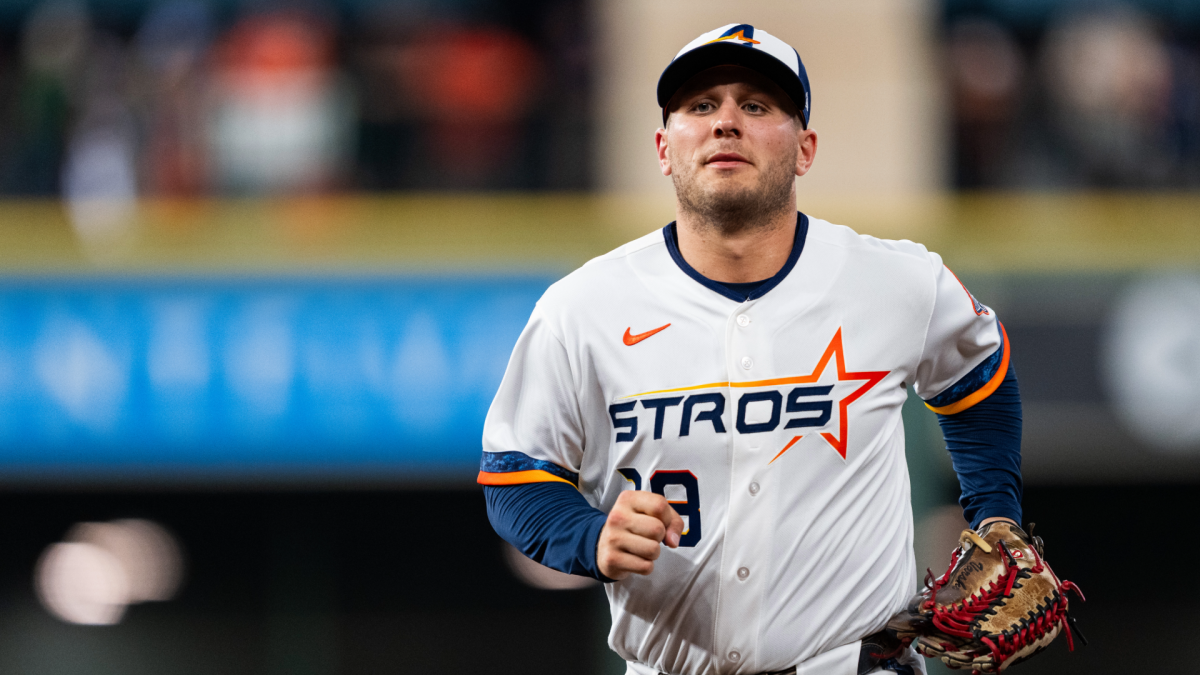
MLB trade deadline: Dodgers, Nationals earn A; Yankees lag
The 2026 deadline delivered real aggression in Los Angeles, a reset in Washington, and more hesitation than Yankees fans wanted. The market made its priorities loud.
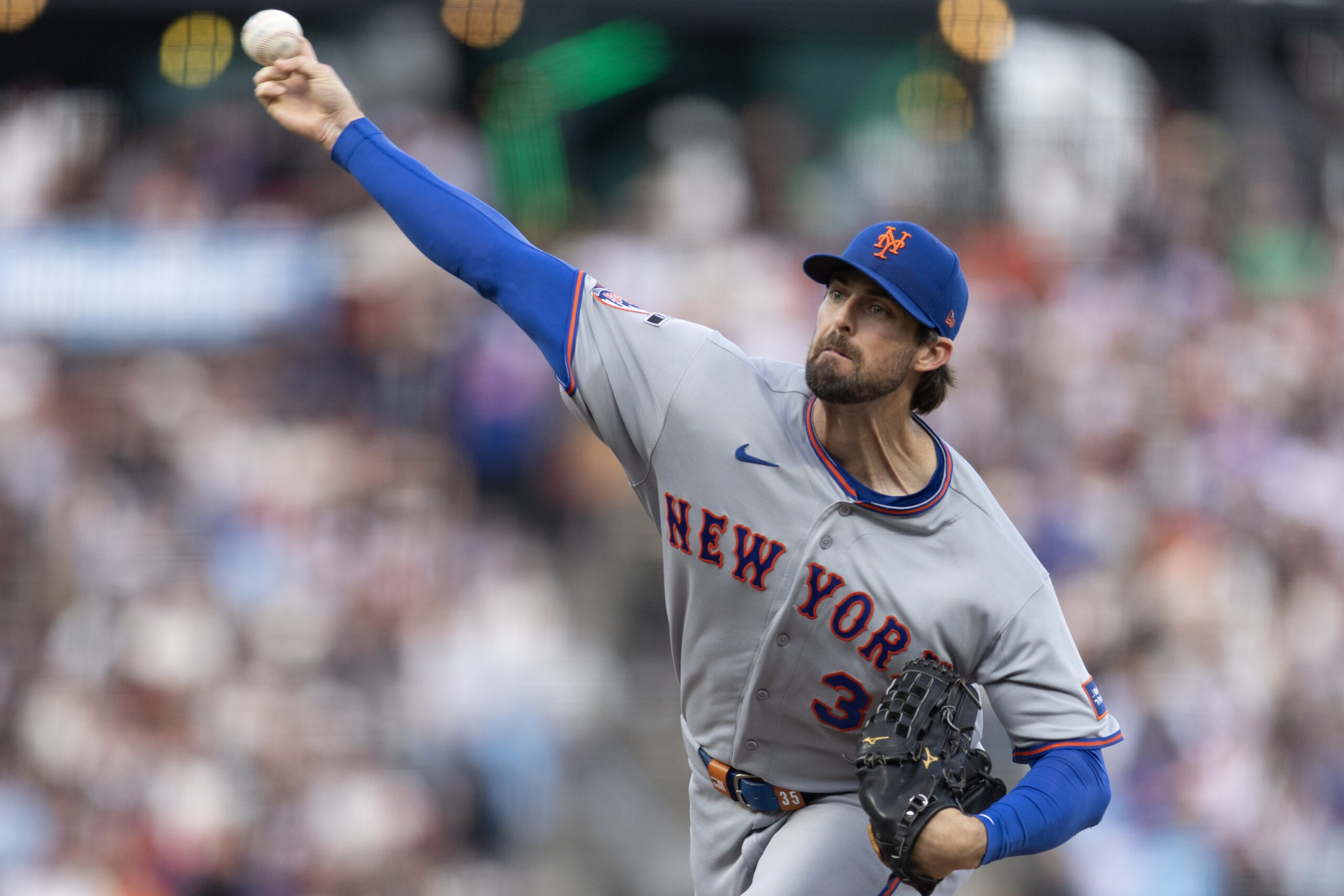
Mets Trade Deadline: Eight-Player Selloff Leaves a Bruised Club
The Mets turned the deadline into a dismantling, shipping out eight big-league pieces and signaling a harder truth: this year was already slipping away.
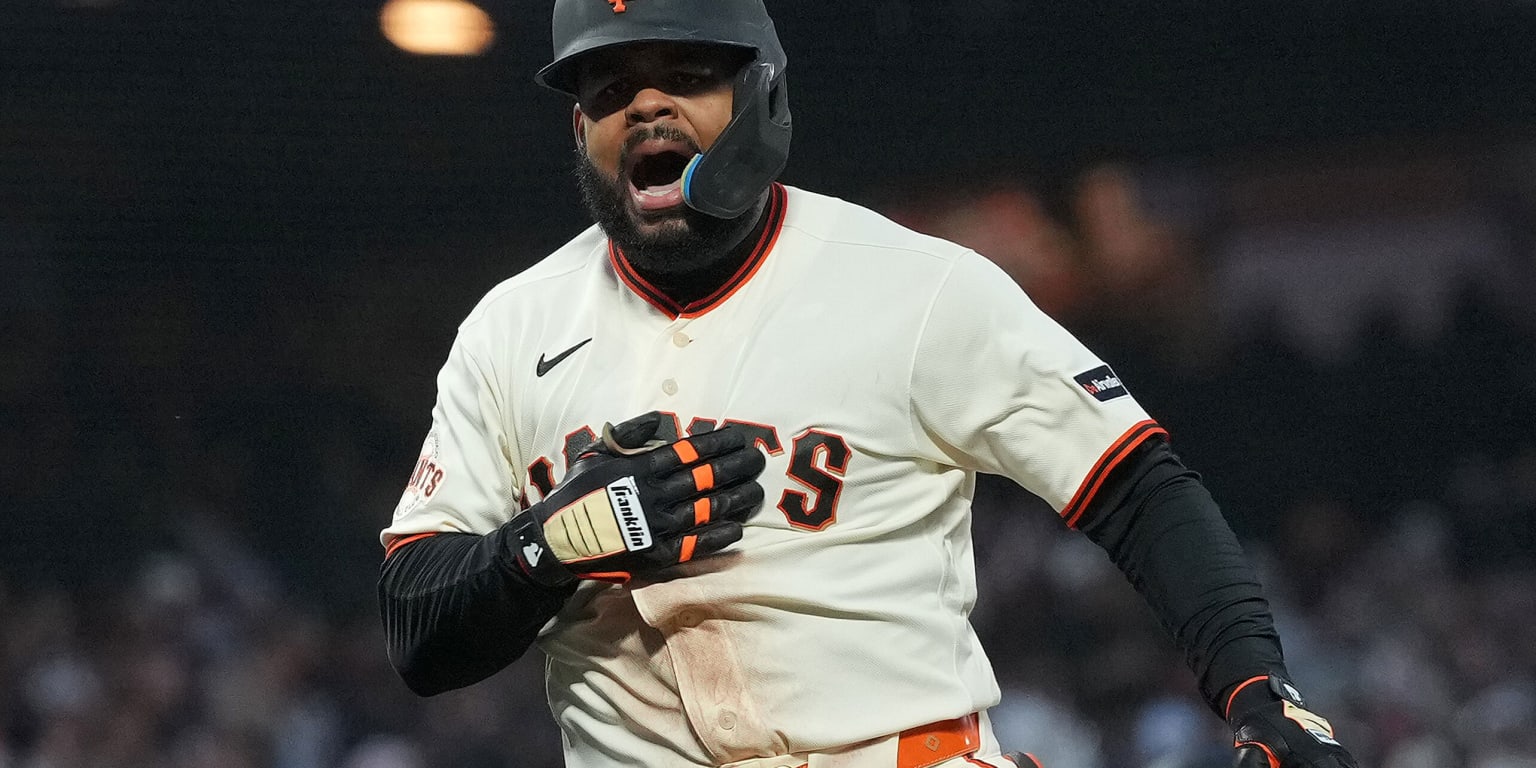
Yankees trade for Heliot Ramos: right-handed bat arrives late
New York finally found the right-handed outfield help it hunted all week, landing Heliot Ramos from San Francisco in a deadline deal. The Yankees spent long enough shopping; now comes the part where t