
Mets Trade Deadline: Rojas Arrives as Holmes, Taylor Head to Cubs
A deadline bargain with a price tag the Mets could feel for years.
 Beatrice Kensington6 min read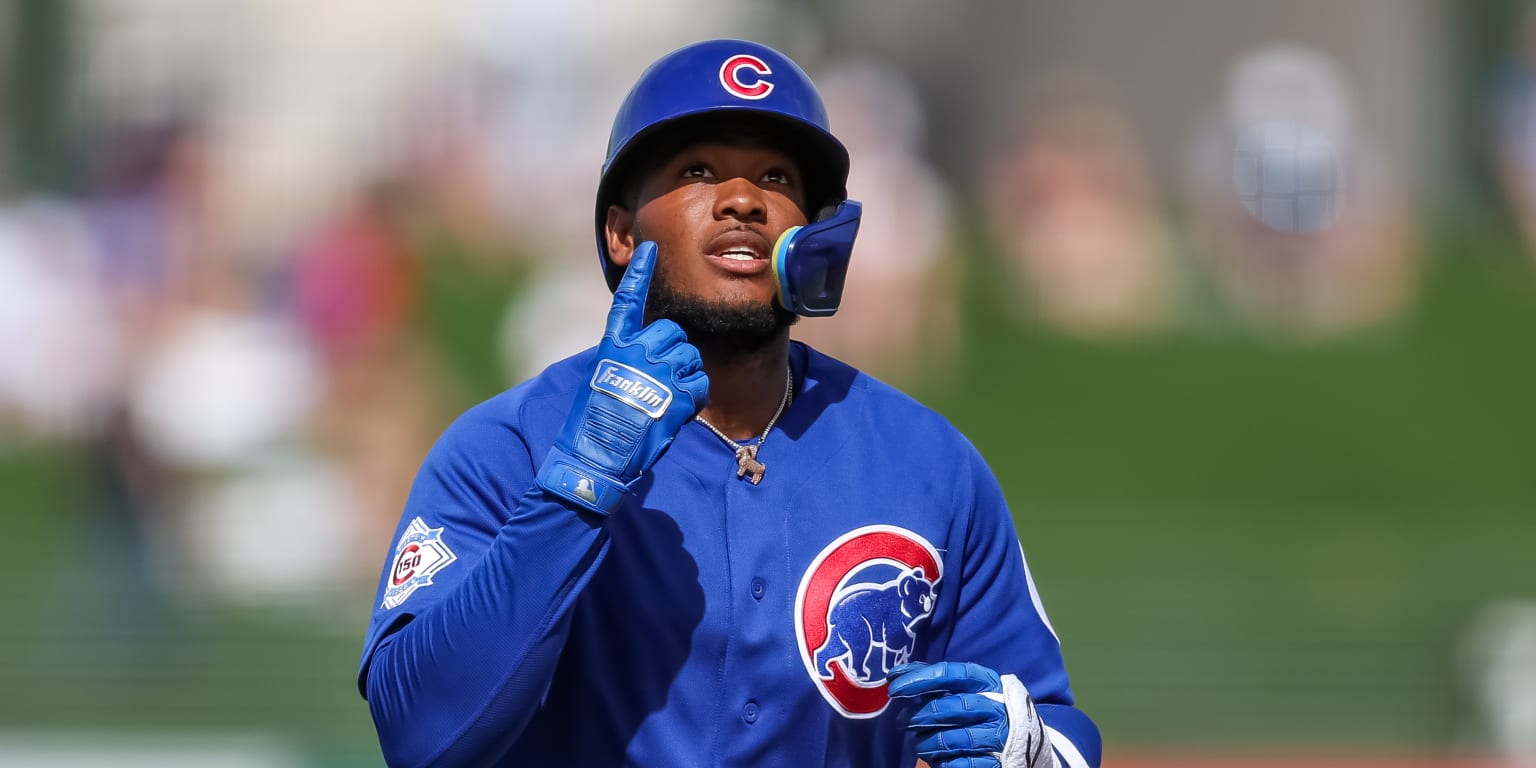
The Mets finally got the headliner they were hunting
For most of Monday, the Mets looked like a club emptying drawers, not making a statement. The selloff had texture, plenty of quantity, but not the one piece that tells the fan base this was more than housekeeping. Then David Stearns found his answer: a top-100 prospect in Nolan McLean, the kind of young arm that turns a deadline from mere subtraction into a shape-shifting event.
The Mets sent Clay Holmes and Taylor to the Cubs, a move that says as much about the club’s present as it does its future. Holmes is the sort of reliever contenders hoard because late innings are where seasons fray. Taylor, meanwhile, is the familiar currency of deadline deals: useful, movable, and easier to part with than a headliner. In return, the Mets got the prize they had been circling as the market thinned and patience wore thin.
This is the old trade-deadline bargain, polished in modern chrome. You give up the stable hand and the versatile piece. You get the ceiling.
Why Nolan McLean matters beyond prospect lists
Prospect rankings can become a kind of baseball wallpaper, colorful and distant until a name lands in the right place at the right time. McLean matters because the Mets did not simply collect bodies; they acquired possibility with pedigree. A top-100 prospect is not a guarantee, but he is also not a lottery scratcher. He is a player with enough reputation to alter how front offices think and how opposing clubs talk.
That distinction matters in a season like this one, when the Mets have spent stretches looking like a team caught between eras. Fans can live with rebuilding if the road is honest. They can live with buying if the roster is close enough to justify the bill. What they struggle to tolerate is limbo. McLean helps Stearns sell a future that is tangible, not decorative.
There is also a broader organizational truth here: the Mets have spent years proving they can spend, but not always that they can stack sustainable talent. The New York Mets have lived too often in the expensive present tense. A prospect of McLean’s caliber is the sort of chip that allows a front office to imagine a healthier balance sheet, one where the farm isn’t merely a rumor but a working part of the machine.
Holmes to the Cubs, and the cost of certainty
The Chicago Cubs are buying what contenders always buy in late July: the comfort of a reliever who can take the ball in meaningful innings and keep the night from tilting. Holmes is a practical acquisition, the sort of arm managers trust because he has done the work that no one notices until it disappears. He shortens games. He makes leads feel a little less fragile. He turns the ninth inning into a place with guardrails.
For the Mets, parting with him is not insignificant. Relief pitching has a way of making the difference between a tidy bullpen and a nightly emergency. But deadlines are about weighing the pain you can explain against the pain you cannot. Stearns appears to have decided the Mets could survive the loss of Holmes more easily than they could survive another afternoon without a headline prospect to point toward.
The Mets did not merely trade a reliever. They traded a layer of safety for a shot at tomorrow.
That is the kind of exchange that tests a front office’s nerve. If McLean becomes a regular contributor, the deal will look like grown-up baseball. If not, the absence of Holmes will linger every time the bullpen door swings open and the late innings start to creak.
What this says about the Mets’ larger plan
I keep coming back to one familiar truth: baseball teams do not get judged only by what they acquire, but by whether their moves make emotional sense to the people who live with the consequences. The Mets have often operated like a club trying to soothe the present while bargaining with the future. That is a dangerous place to linger, because it invites everyone to believe the next fix will be the final one.
I see this trade as an admission that Stearns is not interested in merely patching the current roster. He wants leverage. He wants optionality. And in a league where MLB front offices increasingly behave like hedge funds with batting practice schedules, that kind of discipline is not flashy, but it is real. The question is whether ownership, and the fan base, are prepared for the emotional dullness that often accompanies rational team-building. Sound planning rarely arrives with confetti.
I also think there is a cultural layer here that gets missed when we talk only in prospect grades and bullpen usage. The Mets are not some anonymous market. Their supporters are intimate with collapse, expensive optimism, and the uneasy theater of hope. A move like this can be read two ways: as prudence, or as another reminder that the club is forever remaking itself before the last version has fully vanished. Both readings are fair.
The deadline ripple for New York and Chicago
Deals like this tend to spread beyond the two clubs at the center of them. The Cubs get a veteran arm for the sort of stretch run that can turn a good club into a dangerous one. The Mets get a prospect whose timeline gives shape to their next turn of the wheel. And everyone else in the National League gets a little more information about where the ground is shifting.
If you have followed the Mets’ deadline activity, this move fits the pattern: subtract now, stock the shelves, and trust the rebuild logic to justify the discomfort. If you want the larger context of how this deadline has been framed in New York, our earlier look at the Yankees’ Heliot Ramos move and the Cubs’ rotation upgrade helps sketch the same market reality from different angles. Teams are paying for certainty wherever they can find it, even if certainty comes in partial form.
For the Mets, the next few weeks will tell us whether this was the first bold stroke of a coherent strategy or simply the most photogenic piece of a selloff. The difference can be subtle in late July. It becomes obvious by September.
The trade is made. Now the Mets have to live with the shape of it. That is where the real verdict begins.
More from Straight From The Bench
Comments
Join the conversation — sign in to leave a comment.
Sign in to commentRelated Stories

Mets Trade Deadline: Eight-Player Selloff Leaves a Bruised Club
The Mets turned the deadline into a dismantling, shipping out eight big-league pieces and signaling a harder truth: this year was already slipping away.
Yankees trade for Heliot Ramos: right-handed bat arrives late
New York finally found the right-handed outfield help it hunted all week, landing Heliot Ramos from San Francisco in a deadline deal. The Yankees spent long enough shopping; now comes the part where t

Padres acquire Robbie Ray: Giants deal reshapes NL West race
The Padres are nearing a deal for Robbie Ray, another aggressive move with real rotation stakes. San Diego is betting on upside while the Giants keep retooling around the edges.