
Yankees trade for Heliot Ramos: right-handed bat arrives late
The Bombers got their bat. Now they have to make it count.
 Leo Lupo5 min read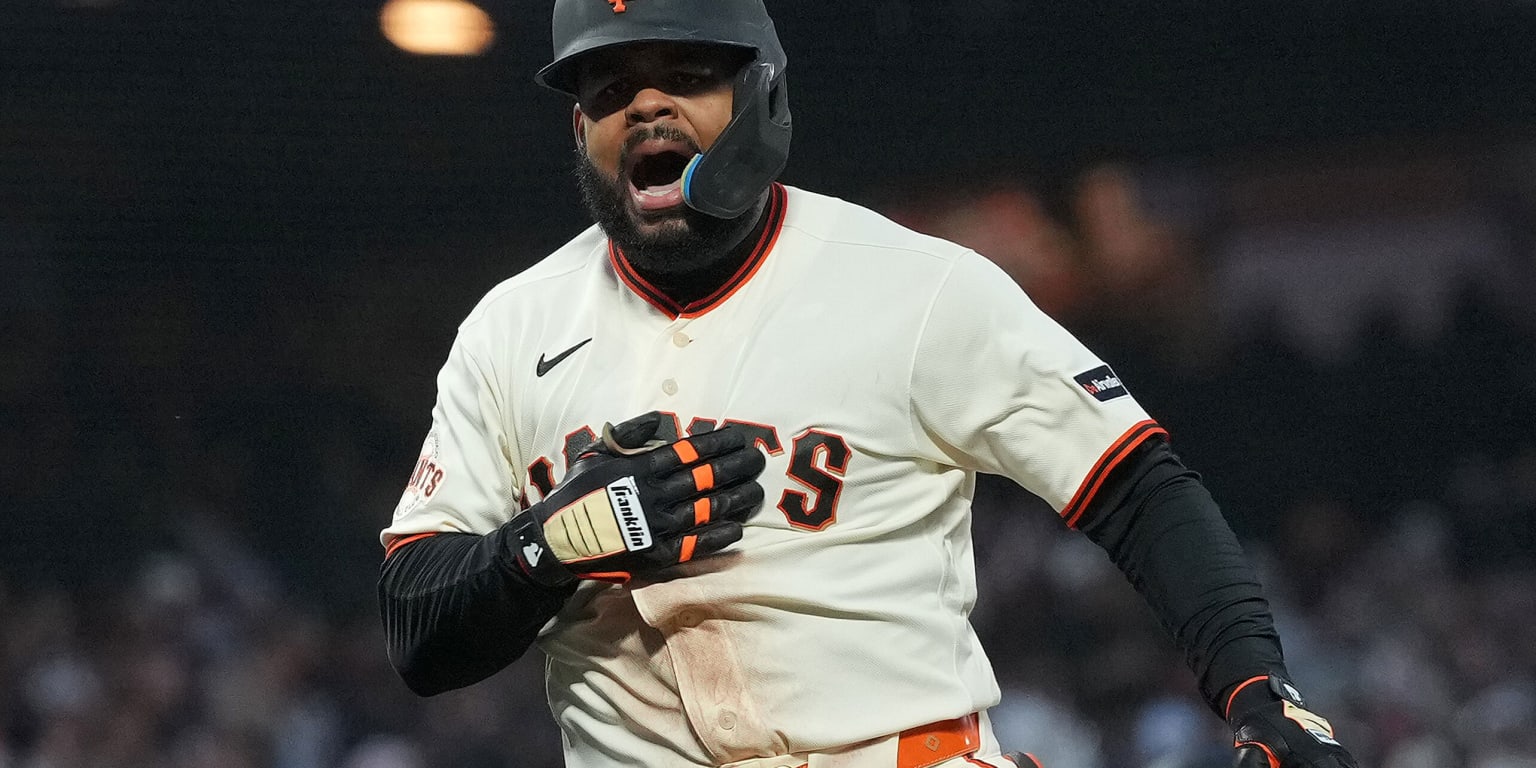
The Yankees got the bat they were chasing
The Yankees went into the deadline with a simple shopping list and a long, expensive appetite: find a right-handed-hitting outfielder who could help the lineup stop looking so lopsided. They found one with the clock winding down, prying Heliot Ramos away from the Giants for two prospects and finally giving the front office something it could point to and say, “There. That’s the fit.”
That’s the headline. The more useful part is the fit itself. New York has spent too many nights leaning on the same left-handed thump and too many innings trying to patch right field with duct tape and prayers. Ramos isn’t a savior, and nobody should be selling him like one. But he does bring a right-handed swing, some athleticism, and a sense that the Yankees did not simply wander into August with a roster card and a shrug.
Why Heliot Ramos matters in pinstripes
This is not a glamour trade. Good. Glamour trades get traded on talk radio and ruined by reality. Ramos gives the Yankees something practical: another bat that forces opposing managers to think twice before stacking left-handers against them late in games. In a short series, or even in a tight September race, that matters more than all the glossy deadline chatter that fills the air like cigarette smoke in an old press box.
Ramos also brings upside, which is the only currency that keeps a deadline deal from feeling like a used-car lot special. He’s not a finished product, and that’s the point. The Yankees bought into a player who can still grow into the role instead of renting a name just to quiet the crowd for 48 hours.
If you want the cleaner comparison from around the sport, look at the way clubs have been trying to patch obvious holes all month. The Phillies’ Luis Arraez trade was about contact and certainty. New York’s move is about balance and flexibility. Different problem, same deadline logic: teams don’t win July by staring at the issue.
What this says about the Yankees’ deadline
the Yankees did not enter this deadline in a mood for half-measures. They needed help in the outfield, they wanted a bat that could hit from the right side, and they were willing to keep nudging the table until somebody finally slid the right name across. That usually means one of two things. Either the front office understood the roster better than the public did, or it spent too long hunting for the perfect answer and settled on the best one left standing.
I’ve seen enough deadline week to know the difference between a team that gets busy and a team that gets clever. Busy teams improve. Clever teams write think pieces about process. New York landed somewhere in the middle here, and that’s probably fine. The cost was prospects, not the crown jewels. That matters. The Yankees are still trying to win this year without gutting the next three.
Deadline deals are supposed to solve problems. Most of the time, they just make the problems smaller and more expensive.
There’s also a bigger organizational angle here. The Yankees have spent years trying to thread the needle between star power and practical roster construction. Sometimes that works. Sometimes it leaves them with a lineup that looks good on paper and dies against decent right-handed pitching. Adding Ramos says they know the imbalance and are at least trying to correct it instead of pretending platoon issues are a philosophy.
The prospects and the price of doing business
Two prospects is the price tag, and that’s the part every fan argues over because it’s the only part nobody can see for a few years. Fair enough. Prospects are hope in team-issued uniforms. Some of them become regulars. Some of them become trivia questions. That’s baseball, and anybody who tells you otherwise is selling a fantasy clinic.
What matters is whether the Yankees gave up enough to feel the pain later without overpaying for a nice idea. From the outside, this looks like the kind of transaction a contender makes when it believes the roster has a real shot but one soft spot keeps showing up on film. That’s the gamble every deadline team takes. If Ramos hits, nobody will care much about the names sent out. If he doesn’t, the prospect count will be dug up like old bad news.
The Giants, meanwhile, did what sellers do when the calendar starts barking. They turned a controllable player into future inventory. San Francisco’s bigger deadline logic has already been showing in other moves around the league, and a club can only be half in and half out for so long before the market decides for it. The Yankees and Giants just met in the middle, each taking what it needed more than what it wanted.
Where Ramos fits next
Now comes the hard part, which is actually harder than the trade. Ramos has to play. The Yankees have to use him in a way that makes the deal look smart instead of desperate. That means real at-bats, honest evaluation, and no ceremonial lineup card nonsense because the front office wanted a neat press release.
He should be given a fair crack against righties and enough runway to settle in. The Yankees didn’t make this move to admire it from afar. They made it to score runs in October, or at least survive the stretch that gets them there. That’s the whole trick with deadline additions: they aren’t supposed to be interesting. They’re supposed to be useful.
And useful is a fine word. It doesn’t sell jerseys. It wins games.
The Yankees wanted a right-handed answer, and they got one. Not a miracle, not a headline that hands out rings in August. Just a sensible move, which around here can feel as rare as a clean ninth inning. Now the lineup has to cash the check.
More from Straight From The Bench
Comments
Join the conversation — sign in to leave a comment.
Sign in to commentRelated Stories

John Harbaugh on Arvell Reese: Giants rookie starts camp fast
Arvell Reese turned heads in the Giants’ first padded practice, and John Harbaugh is already sounding encouraged. That’s August oxygen, not October proof.
Mets Trade Deadline: Eight-Player Selloff Leaves a Bruised Club
The Mets turned the deadline into a dismantling, shipping out eight big-league pieces and signaling a harder truth: this year was already slipping away.
Mets Trade Deadline: Rojas Arrives as Holmes, Taylor Head to Cubs
The Mets found their signature prospect, and the cost was bigger-league certainty. Nolan McLean’s arrival says plenty about where this club is headed.