
Brewers Tarik Skubal Trade Offer: Luis Peña Was the Headliner
Milwaukee brought real ammunition. Detroit still said no.
 Zane Miller5 min read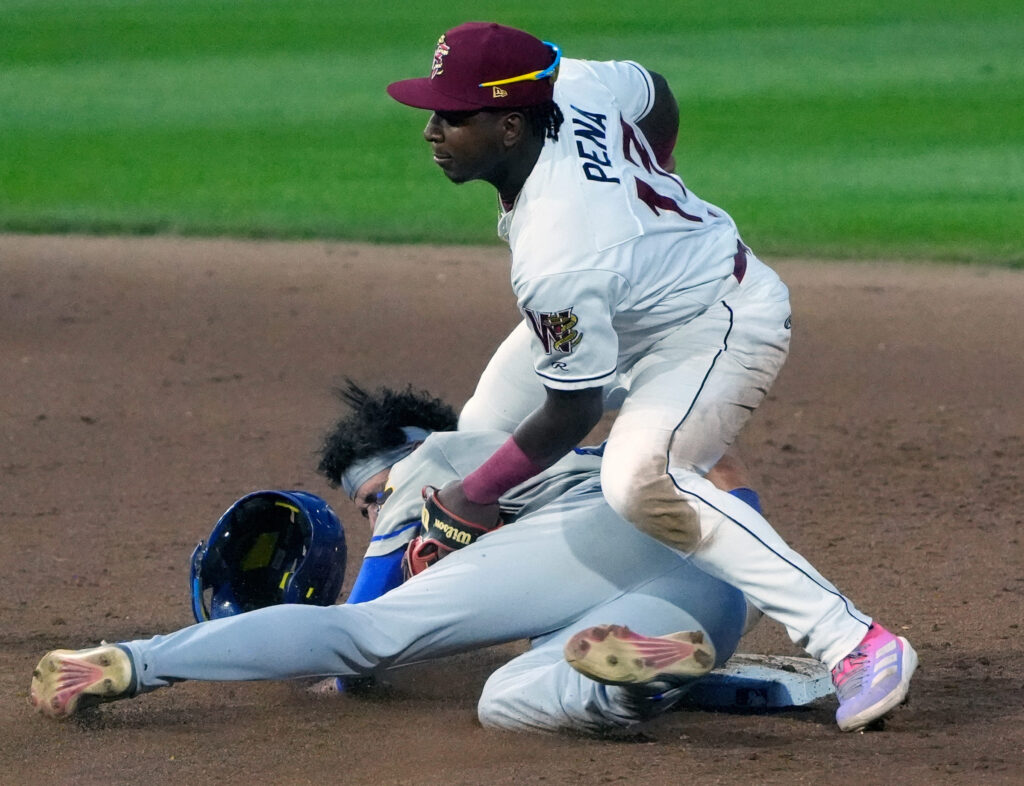
The Brewers didn’t dip a toe in on Tarik Skubal. They came with a real offer, the kind that tells you Milwaukee viewed this as a swing worth taking right now. Luis Peña was the headliner, and that alone says plenty about how serious the conversation got.
Detroit still declined. And that’s the part that matters most. The Tigers weren’t moving their ace unless the return matched the price of doing business with one of the few pitchers in the sport who can tilt a market by himself.
Milwaukee was hunting at the top of the board
The Brewers have been sitting in an awkward but enviable spot: best record in the league, deep enough to compete, and still aggressive enough to behave like a front office that knows windows close fast. That’s why this wasn’t a background rumor. Milwaukee was widely seen as one of the biggest threats to the Dodgers in the Skubal chase, and they had the prospect capital to get in the room.
Luis Peña being the lead piece tracks. A club doesn’t put one of its better chips into a conversation unless it believes the upgrade can change October math. That’s the whole point here. MLB trade deadline season is really about who’s willing to pay for certainty, and frontline pitching is the most expensive certainty on the board.
Why Detroit held the line
The Tigers didn’t blink because they didn’t have to. If you’re dealing Skubal, you’re not shopping a back-end starter or a rental bat. You’re dealing an ace with true top-of-the-rotation gravity, and those are almost impossible to replace unless the package is the kind that changes your organization’s trajectory.
That’s especially true for a rebuilding or retooling club trying to avoid the trap of selling low on the one star who actually moves the needle. Detroit’s front office has been through enough cycles to know the math: one premium prospect is nice, but it does not replicate the value of a dominant starter under control. The asking price for Skubal was always going to live in the stratosphere.
This is what a real ace trade market looks like: premium talent offered, premium talent refused.
Luis Peña in the middle of the deal math
Peña’s inclusion tells you the Brewers were thinking beyond a short-term patch. They weren’t tossing in spare parts and hoping Detroit got sentimental. They were trying to build a package with actual substance, the kind of offer that can survive internal pushback from scouts, analysts, and ownership.
That matters because Milwaukee’s farm system reputation has become part of its leverage. Front offices around the league know the Brewers can manufacture depth, which makes their better prospects even more valuable in trade talks. If you’ve got a surplus of young talent and a current roster ready to win, you’re supposed to be in on this kind of pitcher.
Detroit, though, had the cleanest read in the room: if you’re not blown away, you keep the ace.
What this says about the Brewers’ bigger plan
I’ve been around enough deadlines to know what this smells like. Milwaukee wasn’t chasing Skubal just to make noise. They were testing whether ownership would stretch and whether the market would crack. That’s a very different exercise from a club hoping for a bargain. This was a contender acting like a contender.
And I’ll say this straight: I like the ambition. Too many teams treat first place like a comfort zone. The Brewers are clearly trying to avoid that. When you’re sitting on the sport’s best record, you don’t get extra credit for protecting your prospect pool while the Dodgers continue to operate like they can buy certainty whenever they want. If there was ever a time to overpay for elite pitching, it was now.
I also think this is where the market keeps drifting. Front offices have learned that the cost of a true ace is no longer measured just in prospects, but in the opportunity cost of not having him. Milwaukee’s offer, Zay Flowers extension style, would have been about locking in a major asset before the rest of the league forced the price even higher. Different sport, same principle: premium talent gets more expensive every year.
Detroit’s message to the league
The Tigers rejecting the offer isn’t just about one trade call. It sends a broader message to every contender sniffing around elite pitching: bring a haul or stay home.
That can change how teams behave in the next round of talks. Clubs love to convince themselves a slightly weaker package will work if they wait long enough or add a prospect to be named later type of sweetener. Not here. Not with Skubal. Detroit’s stance sharpens the market for everyone else and reminds rival execs that some players are not available for “pretty good” offers.
Milwaukee may still end up with another arm. That’s the reality of deadline planning. But if you’re wondering why the Brewers were in this fight at all, the answer is simple: they know this roster is good enough to justify a bold move. They just found out Detroit was not in a cooperative mood.
The next move belongs to the market now. And that usually means the price just went up.
More from Straight From The Bench
Comments
Join the conversation — sign in to leave a comment.
Sign in to commentRelated Stories
Mariners Release Mitch Garver, Rob Refsnyder After Deadline
The Mariners made a hard reset at the bottom of the lineup, cutting veterans Mitch Garver and Rob Refsnyder as the deadline dust settled. It is less about sentiment than urgency.

Cubs Deadline Decisions: Jed Hoyer Explains the Pitching Push
Jed Hoyer defended a deadline built around arms, urgency and market reality. The Cubs chose pitching over hesitation, and the message was unmistakable.
MLB trade deadline: Dodgers, Nationals earn A; Yankees lag
The 2026 deadline delivered real aggression in Los Angeles, a reset in Washington, and more hesitation than Yankees fans wanted. The market made its priorities loud.