
Alex Ovechkin United Russia Ad: Capitals Face Awkward Spotlight
A hockey icon, a political script, and a franchise caught in the glare.
 Beatrice Kensington6 min read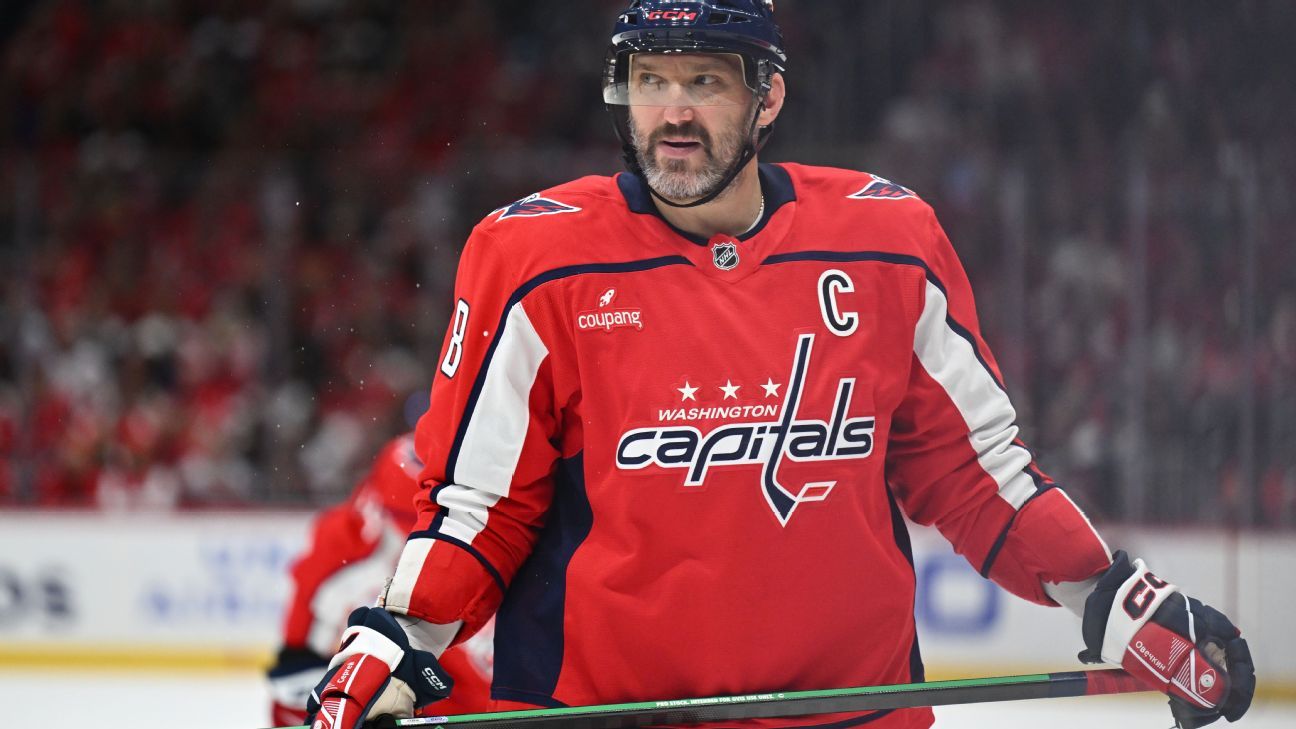
Alex Ovechkin has spent two decades making rinks tilt toward history, but this week the ice beneath him felt less steady. The Washington Capitals confirmed that the NHL’s career goals leader was asked this summer to take part in an ad for Vladimir Putin’s United Russia party, and that simple fact has reopened a conversation that never quite left Ovechkin alone: where does the athlete end and the symbol begin?
This is not a story about a slap shot or a power-play formation. It is about an athlete whose fame has long lived in two countries at once, and whose public life has become a kind of diplomatic weather vane. Ovechkin has always carried a complicated load. In Russia, he has been a national sporting emblem, a familiar face attached to triumph, power, and pride. In Washington, he has been the franchise cornerstone, the man who dragged the Capitals from beautiful frustration to the Stanley Cup mountain in 2018. Those identities were never going to remain neatly separated forever.
A hockey star pulled into political theater
The detail that matters here is not merely that Ovechkin appeared in an ad. It is that the ad belonged to United Russia, the party most closely associated with Putin’s governing machine. That association changes the temperature immediately. Athletes endorse products, charities, and causes all the time. This is different. This is the visual language of state power, with all the baggage that comes attached.
Ovechkin has spent years trying to keep his public posture uncomplicated: score goals, smile for the cameras, say enough, but not too much. That strategy can work for a while, especially for athletes whose gifts are so large that people agree to look past the surrounding noise. Yet political imagery is a different animal. It follows. It lingers. It invites interpretation whether the player wants it or not.
The Capitals are in the unenviable position of having to answer for a player they cannot control beyond the rink. They can clarify, contextualize, and distance. They cannot erase. For a club that has built so much of its modern identity around Ovechkin’s face on every billboard and every ceremonial moment, this is the price of star dependence. The hero arrives with history stitched into the sweater.
Great players do not stay private for long; they become public property, and every public choice grows teeth.
What the Capitals can say — and what they cannot
There is a reason teams become so cautious when an athlete’s off-ice life drifts into geopolitics. The statement from Washington is necessarily narrow: he was asked to participate. That wording matters because it keeps the club from endorsing the message while acknowledging the connection. But legal distance is not the same as moral insulation.
The Capitals have spent years managing the delicate reality of being the home of one of the most celebrated Russian athletes in the sport’s history. Ovechkin has been the face of a generation, a player who made the No. 8 sweater feel like a cultural artifact. That standing is part of why this story cuts. He is not a fringe figure stumbling into headlines. He is one of the most recognizable hockey players on earth, a man whose image carries institutional power.
For fans, especially those in Washington who have watched him age from a marauding scorer into a grizzled, still-dangerous elder statesman, the instinct may be to separate the player from the politics. That urge is understandable. Sports trains us to compartmentalize. But the modern athlete rarely enjoys that luxury. Sponsors know it. Teams know it. Leagues know it. Once an athlete’s face enters political persuasion, even peripherally, the old bargain of “just the game” starts to crack.
There is also the practical matter of the United Russia connection itself. This is not a neutral civic campaign with broad public-service language. It is party branding, and in today’s world, party branding tied to state power becomes a statement all on its own. Whether Ovechkin intended endorsement, complied out of obligation, or treated it as a minor obligation in a life full of them, the image now exists outside intention. That is how modern controversy works. It does not wait for context to catch up.
The long shadow over Ovechkin’s legacy
I have written for years about the way sports loves simplicity and history refuses it. Ovechkin’s career is one of the great examples. On the ice, the argument is settled; the numbers are mountainous, the presence singular, the legacy already engraved. Off the ice, though, he has always existed in the undertow of a larger and harsher story about Russia, power, patriotism, and the athletes who become useful to both.
My view is that this episode does not rewrite Ovechkin’s hockey legacy. Nothing so small can undo a body of work that large. But it does sharpen the public’s memory of the context around him, and context is often what outlives highlight reels. The best athletes become elders in the game; the most famous ones become institutions. Institutions are judged not only by what they do, but by what they are seen to tolerate.
That is why the Capitals should expect the questions to keep coming, no matter how carefully they phrase the answers. Fans will ask whether the club is comfortable with the association. Opponents will use it as shorthand. Younger players in the room will absorb the lesson, fair or not, that stardom enlarges your silhouette until even a brief appearance in a political ad becomes part of the archive.
This is also part of a broader pattern in professional sports, one that Malik Nabers injury update and the other daily churn of the league calendar cannot quite obscure: today’s athlete is never just an athlete. He is content, brand, message, and liability. The game still matters most, but it is no longer the only thing that matters. That is the bargain of fame in 2026.
What this means for Washington and the NHL
The league is not going to sprint toward a grand statement unless the matter widens, and it may not. Hockey has spent years trying to manage its place in a world that asks more from its stars than a few clean quotes and a charitable photo op. Still, the NHL is acutely aware of image risk, especially when its brightest historical star lands in a political frame that could alienate parts of the fan base or distract from the season ahead.
For Washington, the challenge is simpler and harder at once. The team must protect the relationship with a player who remains central to its identity while acknowledging that loyalty does not require silence. The franchise owes Ovechkin gratitude. It does not owe him a blank check.
That distinction will matter the next time the Capitals put his name on a tribute video, sell another piece of the Ovechkin legend in team marketing, or lean on the nostalgia that has long softened the edges of the franchise’s recent history. Great teams build monuments around great players. Then they discover that monuments cast shadows too.
The story now is not whether Ovechkin can still score. Of course he can. The question is what else travels with him when he does, and how much a franchise built on his brilliance is willing to see. Expect the scrutiny to linger. It usually does when the ice gives way to politics.
More from Straight From The Bench
Comments
Join the conversation — sign in to leave a comment.
Sign in to commentRelated Stories
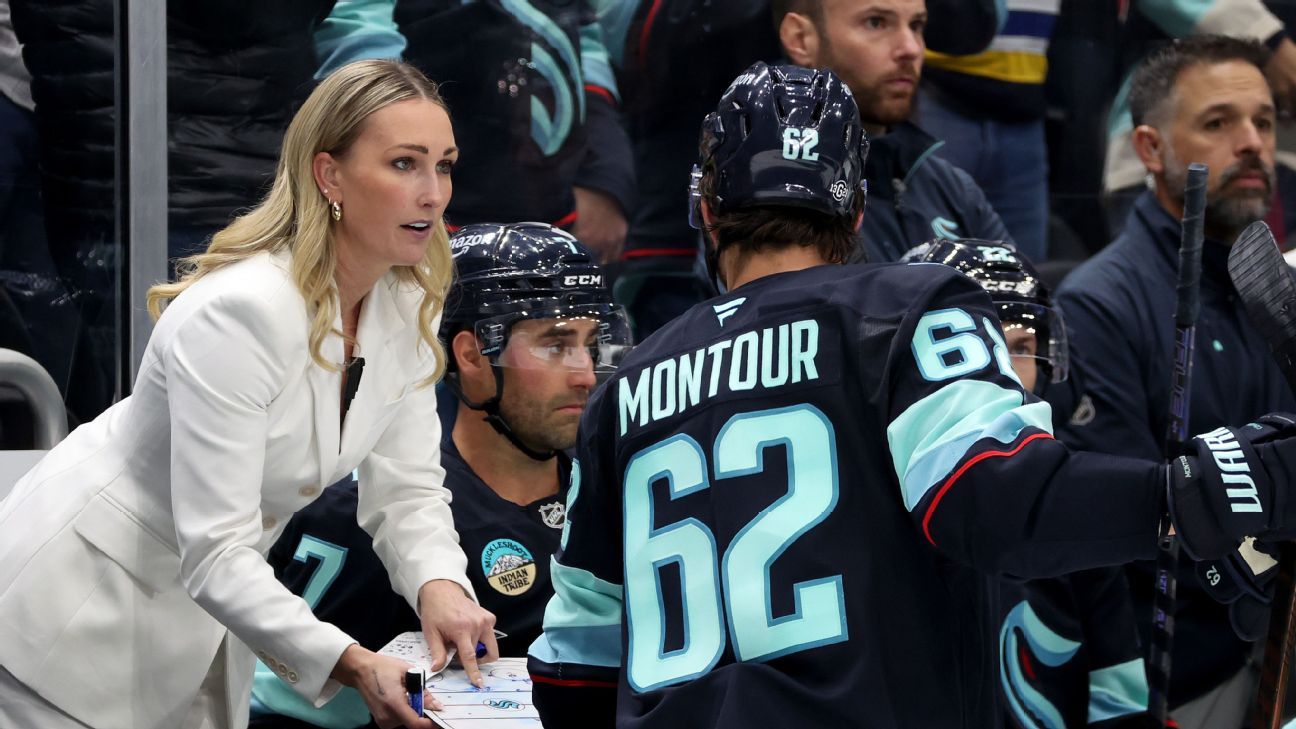
New Jersey Devils hire Jessica Campbell, Bryan McCabe
New Jersey is betting on development, not slogans. Jessica Campbell and Bryan McCabe bring two different kinds of credibility to a franchise trying to grow up fast.

Azeez Al-Shaair Fined: Texans LB’s Eye Black Sparks Backlash
Azeez Al-Shaair has been fined again for a message written on his eye black. The Texans linebacker keeps finding the same NFL tripwire, and the bill keeps coming due.
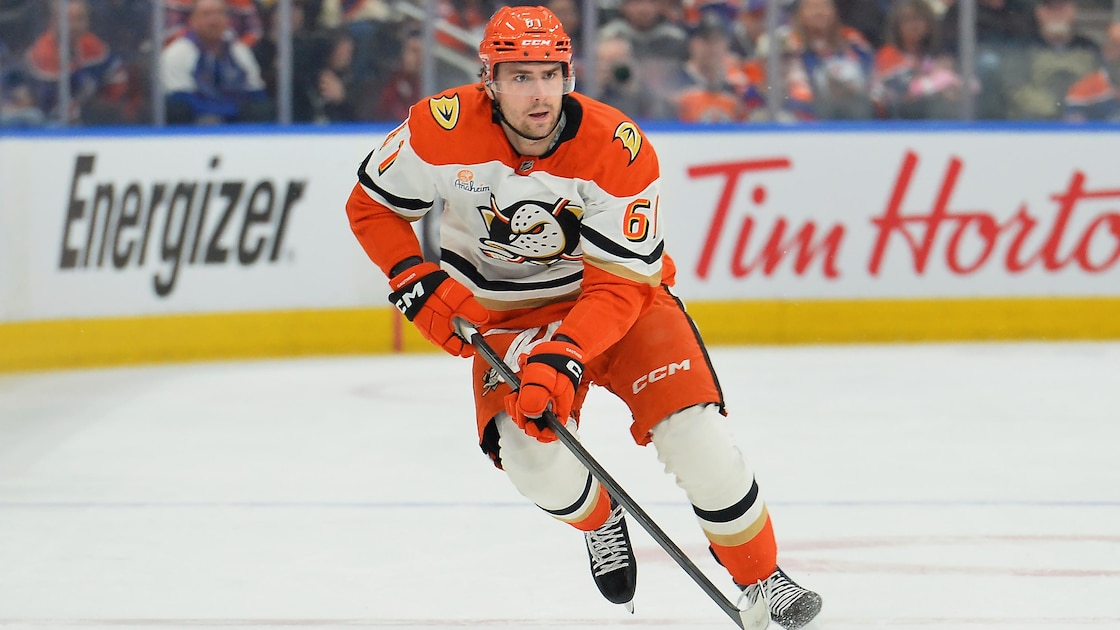
Cutter Gauthier Contract: Ducks Lock Up Star for $81 Million
The Ducks didn’t wait around on Cutter Gauthier. Six years, $81 million, and a loud message to the rest of the league: the kids are getting paid early in Anaheim.