
Argentina vs Spain World Cup Final: Record $50 Million Prize
The trophy matters. The money just made the stakes uglier.
 Leo Lupo5 min read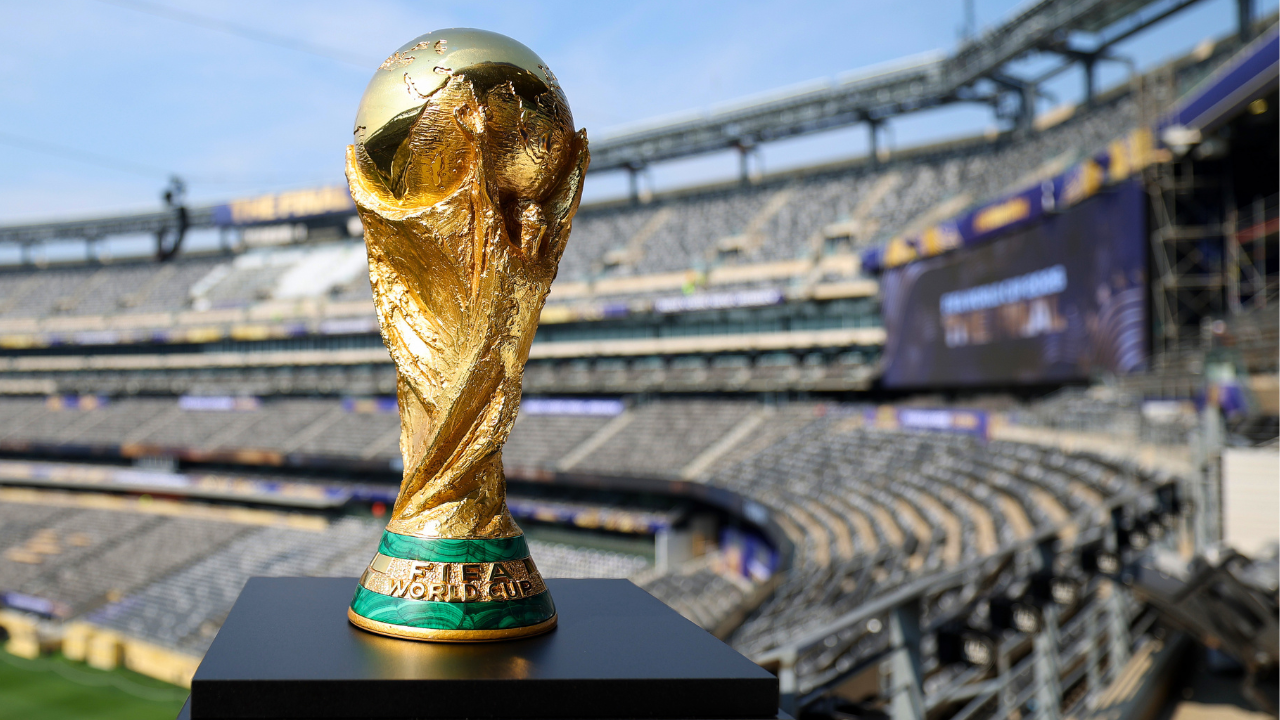
The 2026 FIFA World Cup final has always been about crowns, flags, and the kind of pressure that turns millionaires into nervous wrecks. Now add a record $50 million champion’s check and the thing gets a little less romantic, a little more ruthless. Argentina and Spain are set for a Sunday finale with a $17 million swing hanging over the whistle, and if you think that doesn’t seep into the room, you haven’t watched enough high-end sport.
The trophy is still the real prize, but the money is no side dish
Let’s not kid ourselves. Nobody in Argentina or Spain will remember the accounting office before they remember the parade route. The World Cup is still the top shelf, the one thing players chase from boyhood without ever quite believing they’ll get there. But this is the richest World Cup in history, and that matters because football has long since learned how to speak in both glory and cash.
A $50 million winner’s haul is not pocket change, even in a sport where transfer fees now get tossed around like bar tabs. It changes how federations plan, how bonuses get framed, how whole campaigns are judged back home. The runners-up don’t go home empty, either, but the difference between first and second is sharp enough to sting. That $17 million gap is the kind of thing that makes a locker room feel one bounce of the ball too small.
Argentina and Spain know this is bigger than a payout
Both sides are carrying more than a paycheck into Sunday. Argentina has lived in the glow and weight of Lionel Messi for years now, and every World Cup run with him near the center feels like a chapter in a national novel. Spain, meanwhile, brings the old European machine: tidy, technical, organized, and stubborn enough to believe it can win by doing the hard little things right for 90 minutes and then some.
That’s where the money piece gets interesting. Rich prize pools don’t buy skill. They do amplify consequence. A sloppy first touch in the midfield, a missed set piece, a bad back pass under heat — suddenly it’s not just about a cup, it’s about a mountain of cash changing hands. The players won’t say it out loud. They don’t have to. Everybody knows what is sitting behind the velvet curtain.
The trophy gets the statue. The prize money gets the accountants smiling and the losers chewing glass.
FIFA finally put a real number on the pressure
For years, the World Cup has been built on prestige first and money second, which suited the mythology just fine. But this tournament has crossed into a different economic neighborhood. When the champion’s prize hits a record figure, it’s a signal that the sport’s biggest event is now operating like the heavyweight that it is. Not just a competition. A business summit with shin guards.
That kind of escalation doesn’t happen in a vacuum. It sits in the same universe as the FIFA World Cup being the global television monster, the sponsorship machine, the thing that still stops markets, classrooms, and living rooms across the planet. The federation can pour that kind of money back into the game and still make everyone else talk about fairness, about distribution, about whether the rich get richer while everybody else gets applause and a participation ribbon.
And sure, that argument has legs. Always has. But the blunt truth is this: the World Cup is the one tournament where the financial scale almost matches the emotional scale. Maybe not perfectly. It never will. But close enough that nobody can call the cash an afterthought anymore.
What this means for the players who carry the load
Here’s the part people skip when they’re counting prize money like loose change: the players are the ones absorbing the whole blast radius. Not the executives. Not the suits in the skybox. The lads running until their lungs feel stapled shut.
A final like this is already a tax on the body and nerves. Add the weight of record money and the math gets even uglier. The veterans know it. The younger ones feel it. Every team talk becomes a little sharper, every recovery session a little more precious, every coaching decision a little more exposed. Nobody gets to hide on a stage this big.
If Argentina wins, the Messi story gets another layer of gold leaf. If Spain wins, the whole thing becomes a statement about structure and discipline still beating chaos and star power. Either way, the prize money is just the loudest receipt on a night that will be remembered for who handled the pressure better, not who signed the biggest check.
I’ve been around enough finals to know this much: money doesn’t decide matches, but it absolutely changes the temperature. It makes the air thicker. It makes every mistake feel expensive. That’s why old heads used to say pressure is a privilege, and in this case the phrase actually fits. You don’t get a $50 million final by accident. You get it because the world decided this was the one worth overpaying for, and frankly, it was right.
For Argentina, the path runs straight through legacy. For Spain, it runs through proof. For everybody else, it’s a reminder that football’s grandest altar now has a price tag nailed to the front of it.
Sunday won’t care who earned more on paper. It’ll only care who keeps their nerve when the trophy and the money are both sitting there, waiting to be taken.
More from Straight From The Bench
Comments
Join the conversation — sign in to leave a comment.
Sign in to commentRelated Stories

2026 World Cup Final: Trump’s Presence Casts a Long Shadow
Spain won the final, but the loudest reaction in the building belonged to Donald Trump. In a sport built on ceremony, his presence turned one last act into a test of nerves.

Spain vs Argentina World Cup Final: Young Spain Wins
Spain turned a tense final into a structural lesson, blanketing Lionel Messi’s Argentina and lifting a second World Cup in New Jersey.

Spain vs Argentina World Cup Final: Spain wins in extra time
Spain didn’t just beat Argentina. It turned the final into a long, hard lesson in control, then finished the job in extra time.