
Bahrain GP Practice: Sepang’s heat turns F1 into a grinder
Low grip, high wear, and a reminder that Malaysia still chews up pretty cars.
 Leo Lupo6 min read
Friday at Sepang did what Sepang has always done when it feels like making a point: it exposed the soft parts. High temperatures, low grip, and degradation climbing all session long turned the first Formula 1 running at the circuit in nearly a decade into a laboratory for pain. The stopwatch mattered, sure. But the bigger story was how quickly the cars started looking like they had been dragged through a furnace.
This was never going to be a neat little tune-up. Malaysia does not do neat. It does mug you in the lane on the way to the corner, then waits for the tires to give up in the closing laps. Anyone hoping for a simple read on the pecking order got something messier instead: a track with very little rubber on it, a surface that punished arrogance, and a field learning all over again that Sepang is not a place where you fake your way through balance.
Sepang came back acting like it never left
There are circuits that politely let the teams find their feet. Sepang International Circuit is not one of them. It asks the same rude question on every lap: what happens when the rear end goes away and the fronts start cooking?
That matters because the first sessions in a long time at this place were never going to tell us everything about raw pace. The bigger clue was the tire life, and the wear was there from the jump. Heat plus low grip is a nasty combination. The car slides a little more, the driver leans on the rubber a little harder, and suddenly everyone is acting surprised when the tires are gone before the stint is.
That is the old Sepang script. It used to be the race where the glossy power rankings got torn up by humidity and management. Bring a quick car here and you still have to keep it alive. Bring a balanced car and you can make a day of it. Bring a nervous rear end and you are just donating rubber to the asphalt.
The tire story is the real headline
Forget the headline times for a minute. The useful takeaway from practice was degradation, plain and simple. The teams were learning how quickly the compounds fall off, how much sliding they could tolerate, and whether the car could be kept in the window without chewing through the rear axle like a dog on a soup bone.
That makes qualifying prep tricky and the race even trickier. On a track like this, a team can show well over one lap and still be in trouble once the stint length stretches out. The better cars are the ones that can carry speed without asking the tires to pay for every corner. The lesser ones can make a lap look respectable, then spend Sunday staring at the pit wall with a long face and a dead set of rears.
For the strategists, this is where the fun begins. The undercut gets sharper. Tire management becomes a race within the race. And any outfit that guessed wrong on cooling or balance in practice will be chasing the weekend from the back seat. If you want a reminder that F1 still has teeth, this was it.
Sepang didn’t feel like a practice day. It felt like a warning label.
Arvid Lindblad’s shrug says plenty
Arvid Lindblad’s little line about it feeling funny to call this the Bahrain Grand Prix may have been tossed off with a smirk, but there was truth in it. He was talking about the way the car has to be driven here, and he was dead right: Sepang demands a style that is closer to survival than sparkle.
That comment tells you something important. Drivers know when a circuit is making fools of clean theory. This was not about hunting one magical setup and calling it done. It was about adapting to a track that punishes impatience and rewards the driver who can save a set of tires without falling off the pace cliff.
And that opens the door for the smaller errors that decide weekends. A snap over the kerb. A rear sliding out on corner exit. A lock-up that cooks the front right. None of it looks dramatic on its own. Stack enough of it together and you’ve got a race ruined before the lights even go out.
What it means for the teams fighting the weekend
For the front-runners, the job is to keep the car planted enough that the tires aren’t working overtime. For the midfield, it is about surviving long enough to cash in on someone else’s mistake. That is the part people forget: tough practice sessions don’t only sort the fast from the slow. They sort the disciplined from the reckless.
This is where Motorsport stops being a spreadsheet exercise and turns into a grudge match. The engineers will be chasing cooling, downforce, and tire behavior at once, which is a fancy way of saying they will be trying to make four things behave that rarely agree with each other. The drivers will spend half the weekend explaining that the car is fine, except for the part where it isn’t.
I’ve watched enough of these heat-soaked weekends to know the pattern. The first practice sheet flatters somebody. The second one exposes the lie. By Sunday, the car that looked merely decent on Friday is often the one still standing because it didn’t chew itself to death trying to impress anybody. That’s old racing law. No one likes it. It still applies.
And that’s why Sepang matters, even after all these years away. It strips out the vanity. No shiny lap time means much if the car turns into a bag of bolts after six racing laps. This place has always been a truth teller. Not a pleasant one. But a useful one.
The bigger picture is old-school F1, not pretty F1
The modern championship loves its polished promos and tidy narratives. Fine. The track usually has other ideas. Sepang gives you the ugly side of the sport: heat, wear, decision-making under pressure, and drivers who have to be honest with themselves about how much they can attack and how much they need to conserve.
That is still the best kind of Formula 1 weekend. The kind that exposes the real hierarchy instead of the marketing version. The kind that reminds you racecraft still matters. The kind where a clever stint can beat a flashier car that got greedy with the rubber.
If the teams learned one thing Friday, it’s that Malaysia does not care how tidy your notebook looks. It cares whether your rear tires are alive at the end. The rest is noise.
Saturday should sort a few more lies out. Sunday will sort the rest.
More from Straight From The Bench
Comments
Join the conversation — sign in to leave a comment.
Sign in to commentRelated Stories
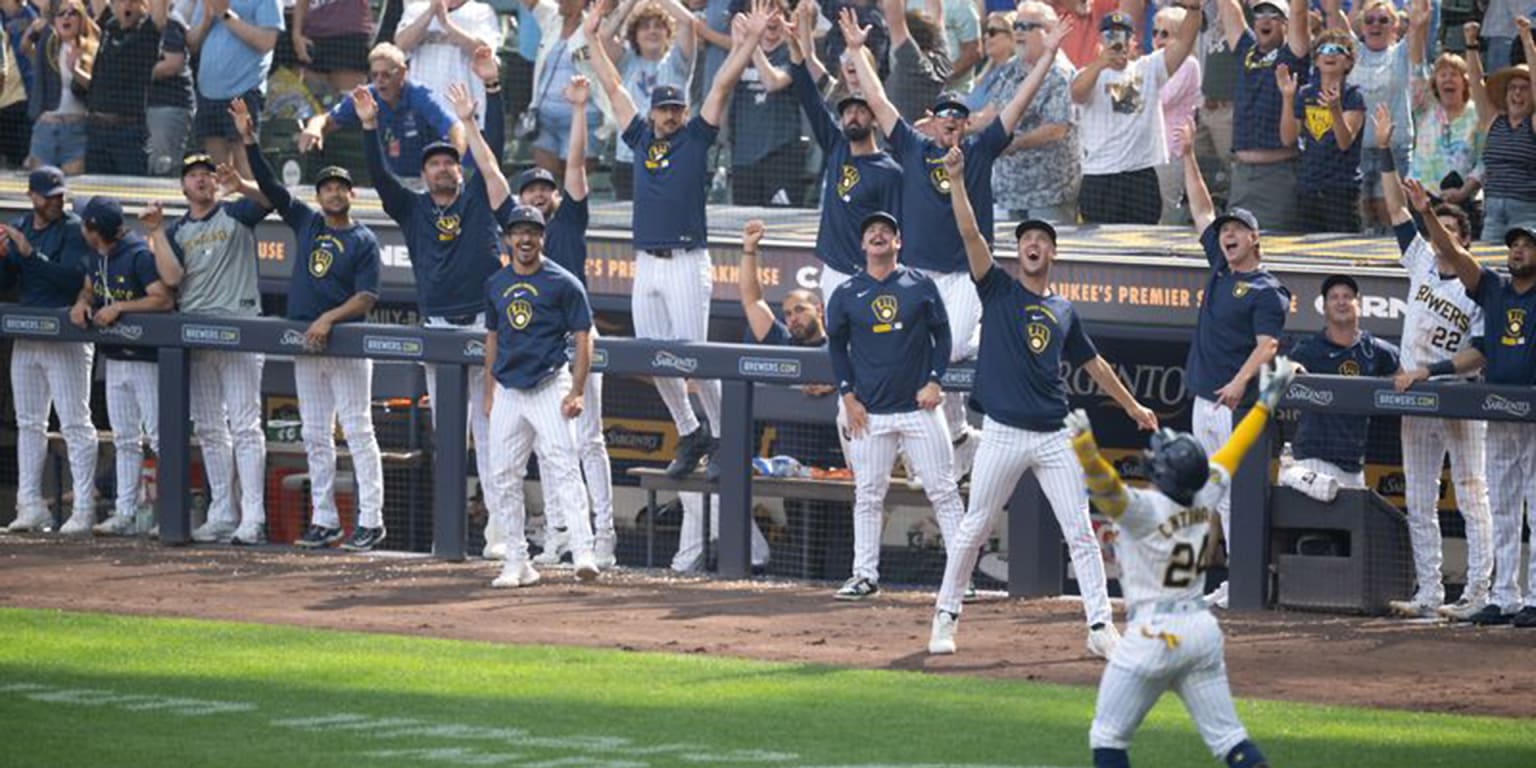
Milwaukee Brewers 2026 outlook: why this is the year
The Brewers kept doing Brewers things — trimming payroll, restocking talent, and surviving the projection models. Now the underdog tag is gone, and that changes everything.

Seahawks Jadarian Price injury update: out with chest issue in Week 4
Jadarian Price is out for Week 4 with a chest injury, and the Seahawks have a little less wiggle room than they’d like. That’s how fast a backfield can get thin.

Texas Tech QB Thomas Castellanos availability in question after ruling
Texas Tech’s quarterback picture suddenly feels less like a depth chart than a legal document. A Kentucky court ruling has put Thomas Castellanos’ availability in question.